
Traditional Italian broccoli soup is a reminder of how comforting simple food can be. I grew up appreciating dishes like this because they never tried too hard. A pot on the stove, olive oil warming gently, and vegetables slowly coming together always felt reassuring. This traditional Italian broccoli soup follows that same philosophy. It relies on fresh broccoli, a few root vegetables, and good olive oil to create a bowl that feels nourishing without feeling heavy.
Traditional Italian broccoli soup fits perfectly into everyday cooking because it values balance and patience over excess. The flavors stay clean, the texture feels satisfying, and every spoonful tastes honest. When I make this soup, I’m reminded that Italian cooking often shines brightest when it stays uncomplicated. This recipe brings that idea to life, showing how a handful of vegetables and steady simmering can create something deeply comforting and timeless.
The Heart of Traditional Italian Broccoli Soup
A Vegetable-First Italian Tradition
Traditional Italian broccoli soup reflects a long-standing habit in Italian kitchens of letting vegetables lead the meal. Instead of relying on cream or butter, this soup starts with olive oil, onion, and garlic. That combination forms a gentle base that supports the vegetables rather than overpowering them. Broccoli takes center stage, offering a mild earthiness that feels both familiar and comforting. Potatoes quietly thicken the soup as they cook, giving it body without heaviness. Carrots add just enough sweetness to soften the edges.
This approach comes from practicality. Italian home cooking often focuses on stretching simple ingredients into meals that feel complete. Traditional Italian broccoli soup does exactly that. It turns everyday vegetables into something filling and satisfying. The soup doesn’t chase bold flavors. Instead, it builds depth through careful cooking and thoughtful timing. Each ingredient keeps its identity while contributing to the whole.
Because the soup uses water or vegetable broth, the flavor stays clean. Olive oil carries richness, and seasoning stays restrained. That balance makes the soup easy to enjoy on its own or alongside bread. It also explains why vegetable soups remain common across Italy. They fit daily life, seasonal cooking, and shared tables.
Traditional Italian broccoli soup reflects the wider philosophy of Italian home cooking, where vegetables, olive oil, and simplicity take priority, a style deeply rooted in the history of Italian cuisine as outlined by Britannica.
How Simple Cooking Builds Flavor
The cooking process plays a major role in how traditional Italian broccoli soup tastes. Sautéing the onion slowly allows natural sweetness to develop. Garlic follows briefly, adding aroma without sharpness. Potatoes and carrots cook just long enough to soften before liquid enters the pot, which helps them release flavor gradually.
Once the broth and broccoli join, gentle simmering becomes key. The vegetables cook evenly, and their flavors meld without losing freshness. Blending at the end transforms the soup into a smooth texture that feels comforting but not heavy. Potatoes handle thickening naturally, which keeps the soup grounded in tradition.
Seasoning at the end allows adjustment without masking the vegetables. A pinch of salt sharpens flavor, while black pepper adds subtle warmth. Optional Parmesan at serving time deepens the taste without changing the soup’s character. Fresh parsley adds brightness and keeps the bowl lively.
This method keeps traditional Italian broccoli soup consistent and forgiving. The steps flow naturally, and the result feels intentional every time. The soup rewards patience, respects the ingredients, and delivers comfort through simplicity.
This kind of vegetable-based comfort shows up often in home-style meals like my tuscan white bean soup, where simple ingredients and steady simmering create lasting warmth.
Flavor-Building Ingredients and How They Work Together
Key Ingredients That Shape the Soup
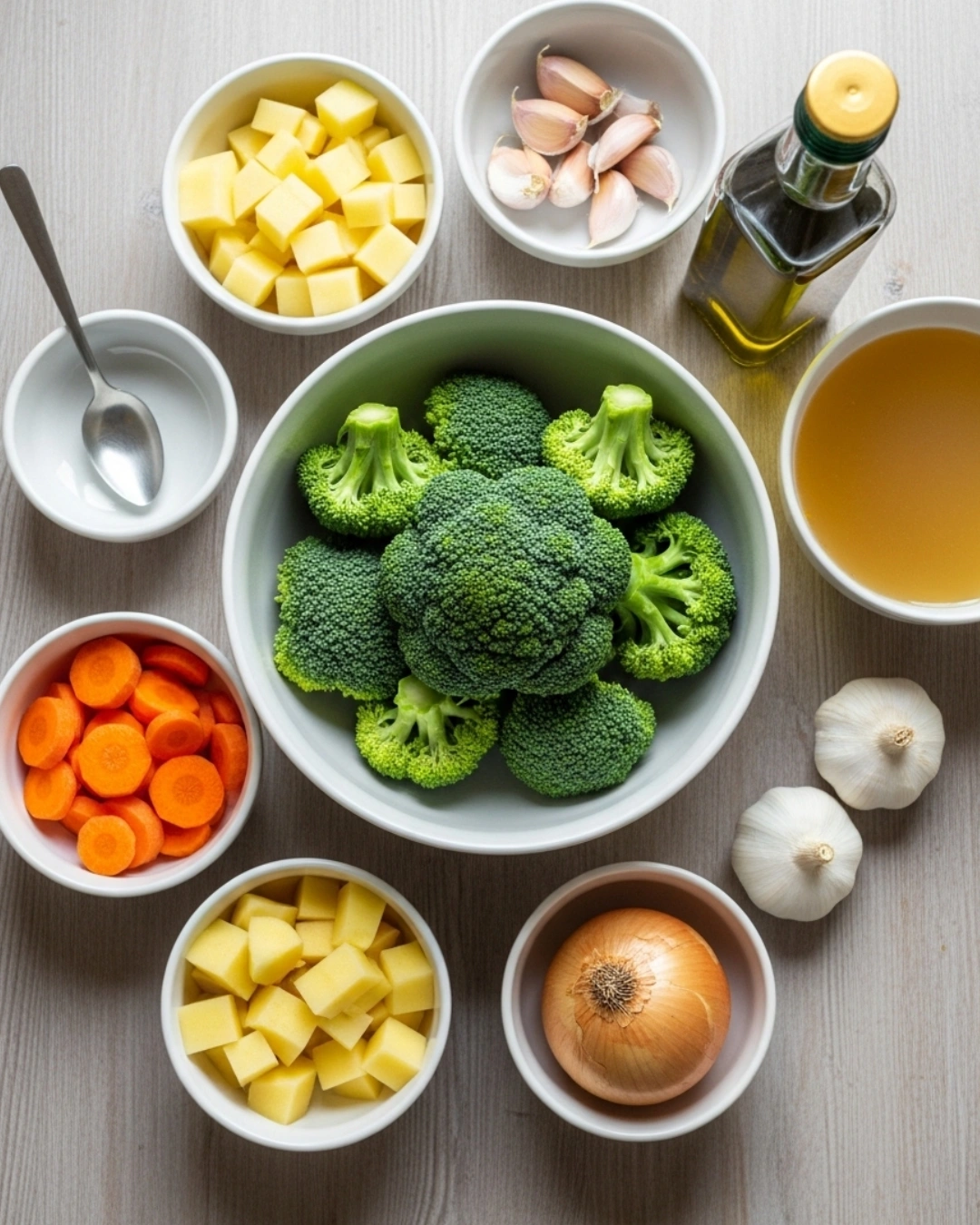
Traditional Italian broccoli soup relies on a short, purposeful list of ingredients. Each one plays a specific role, which keeps the soup balanced and grounded in Italian cooking. Nothing feels extra, and nothing feels missing.
Here’s how the ingredients come together:
- Fresh broccoli florets provide the main flavor, mild and slightly earthy once cooked
- Onion creates a gentle, savory base when softened in olive oil
- Garlic adds aroma and warmth without overpowering the vegetables
- Potatoes naturally thicken the soup and give it body
- Carrot brings subtle sweetness that softens the broccoli’s edge
- Olive oil adds richness and carries flavor throughout the soup
- Vegetable broth or water keeps the flavor clean and vegetable-forward
- Salt and black pepper sharpen and balance the final taste
This ingredient combination reflects everyday Italian cooking. Vegetables lead, seasoning stays simple, and olive oil ties everything together. Because the list stays short, preparation feels manageable, and the flavors stay clear.
Broccoli plays a similar role here as other vegetables do in my carrot ginger soup, where gentle sweetness and careful cooking keep the flavor clean.
How These Ingredients Improve Flavor Naturally
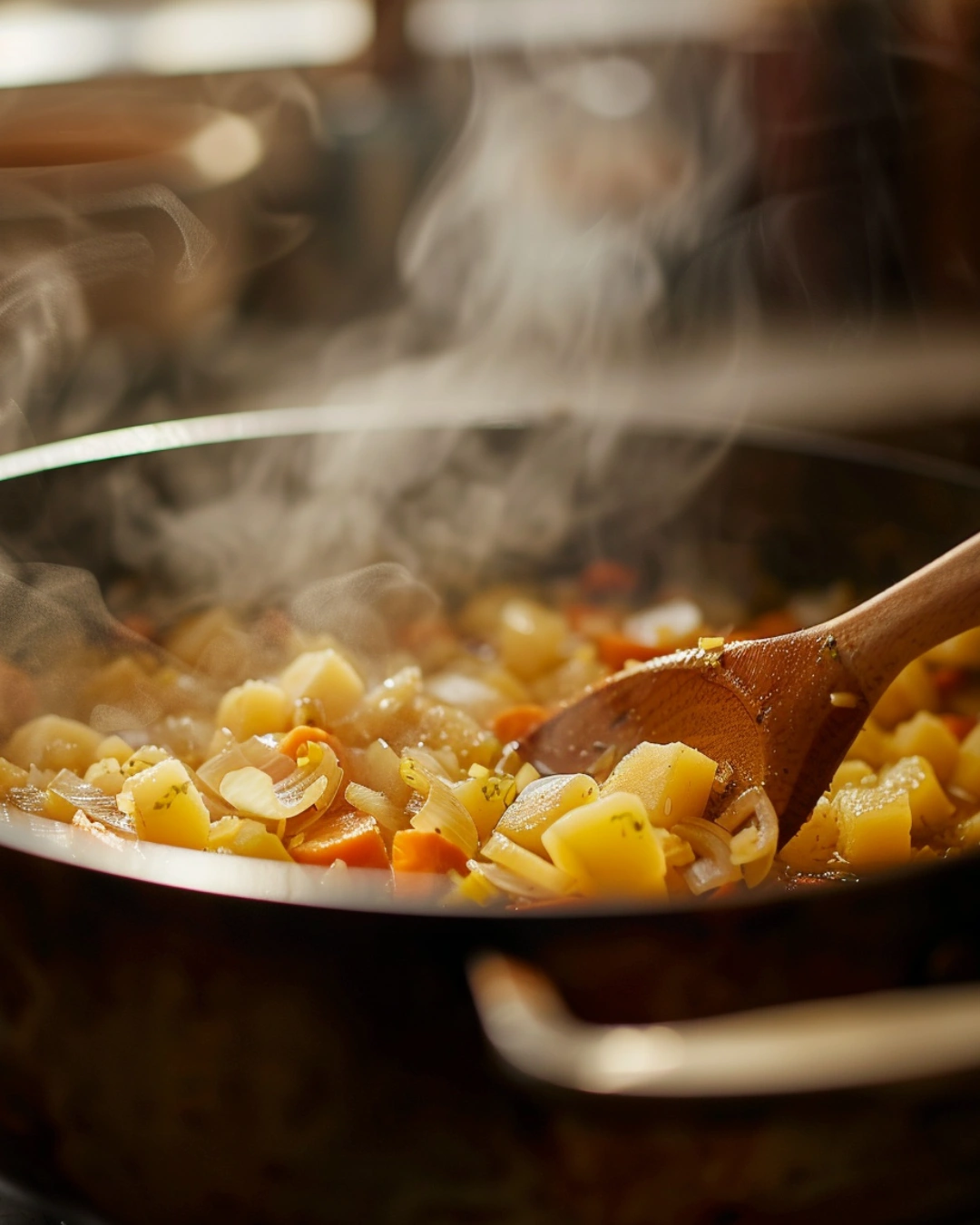
The order in which these ingredients cook matters just as much as the list itself. Onion goes into warm olive oil first, where it softens and releases sweetness. Garlic follows briefly, adding fragrance without turning sharp. Potatoes and carrot enter next, allowing them to warm through and begin releasing starch and sweetness.
When broth and broccoli join the pot, everything simmers gently. That steady heat allows flavors to blend without losing freshness. Broccoli softens while keeping its character, and potatoes slowly thicken the soup. Blending at the end pulls all the ingredients together into a smooth texture that feels comforting but not heavy.
Optional finishes stay simple and traditional. Grated Parmesan cheese adds savory depth at serving time. Crushed red pepper flakes bring gentle warmth for those who enjoy contrast. Fresh parsley lifts the soup with brightness and keeps it tasting fresh.
This approach keeps traditional Italian broccoli soup honest and dependable. The ingredients support one another, the method stays calm and steady, and the final bowl feels balanced and nourishing without feeling complicated.
The way potatoes naturally thicken this soup mirrors the texture-building used in creamy potato and sausage chowder, though this version stays lighter and vegetable-focused.
Technique, Texture, and Everyday Flexibility
Cooking Method That Keeps the Soup Balanced
Traditional Italian broccoli soup depends on steady, attentive cooking rather than speed. Medium heat allows the vegetables to soften without losing their natural flavor. Olive oil warms first, creating a base that welcomes the onion instead of rushing it. As the onion turns translucent, it releases sweetness that shapes the entire pot. Garlic joins briefly, adding aroma while staying gentle.
Potatoes and carrot need a few minutes before liquid enters. That short cook helps them soften and prepares them to release starch once the broth arrives. When broccoli goes in, timing becomes important. Gentle simmering keeps its flavor clean and prevents bitterness. Fifteen to twenty minutes gives every vegetable time to cook evenly.
Blending marks the turning point. Using an immersion blender keeps the process smooth and controlled, but a standard blender works just as well in batches. The goal stays the same. Create a texture that feels creamy without adding dairy. Potatoes handle thickening naturally, which keeps the soup light yet satisfying.
Adjusting seasoning after blending matters. Salt and pepper work best at this stage because the flavors have fully developed. If the soup feels too thick, adding a small amount of broth restores balance without weakening taste. This method keeps traditional Italian broccoli soup consistent every time.
When serving traditional Italian broccoli soup as part of a larger meal, I like pairing it with lighter sides similar to those in my salad recipes side dishes collection.
Adapting the Soup Without Losing Its Roots
One strength of traditional Italian broccoli soup lies in its flexibility. Italian home cooking often adapts to what’s available, and this soup welcomes small changes easily. Adding leafy greens like spinach or kale near the end boosts color and nutrition while keeping the flavor familiar. These greens soften quickly and blend smoothly into the base.
For those who prefer a richer texture, a small splash of cream or a spoon of sour cream at serving time adds softness without changing the foundation. The soup still tastes like broccoli first, which keeps it rooted in tradition.
This soup also fits meal prep well. It stores easily, reheats gently, and freezes without separating. That practicality explains why soups like this appear often in everyday Italian kitchens. They respect time, reduce waste, and offer comfort across multiple meals.
Traditional Italian broccoli soup doesn’t rely on strict rules. It relies on intention. Cook gently, season thoughtfully, and let the vegetables lead. That approach keeps the soup honest and dependable. Whether you enjoy it fresh off the stove or reheated the next day, the flavor stays steady and comforting, which is exactly what Italian vegetable soups aim to deliver.
Serving, Pairings, and Lasting Comfort
How to Serve It the Italian Way
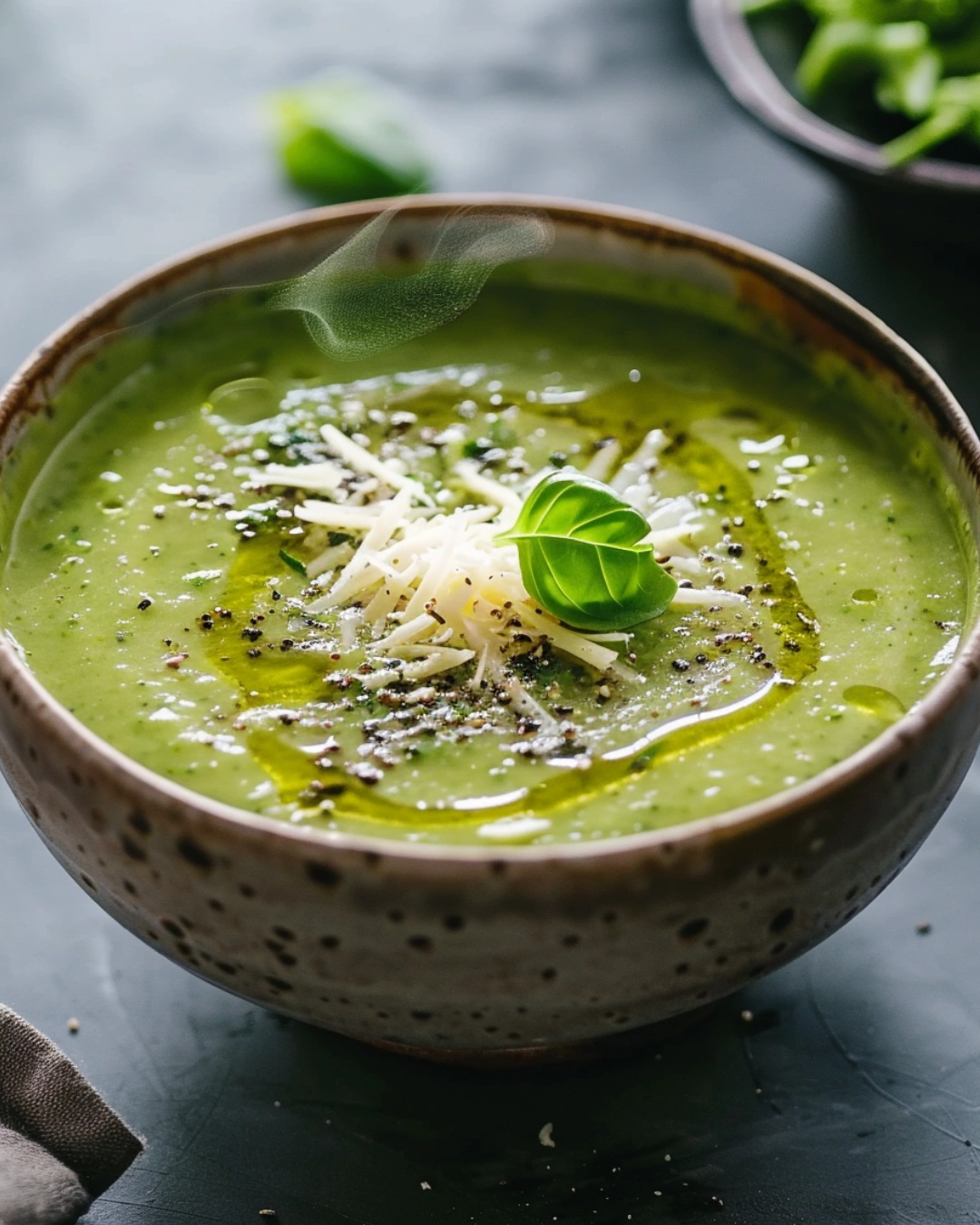
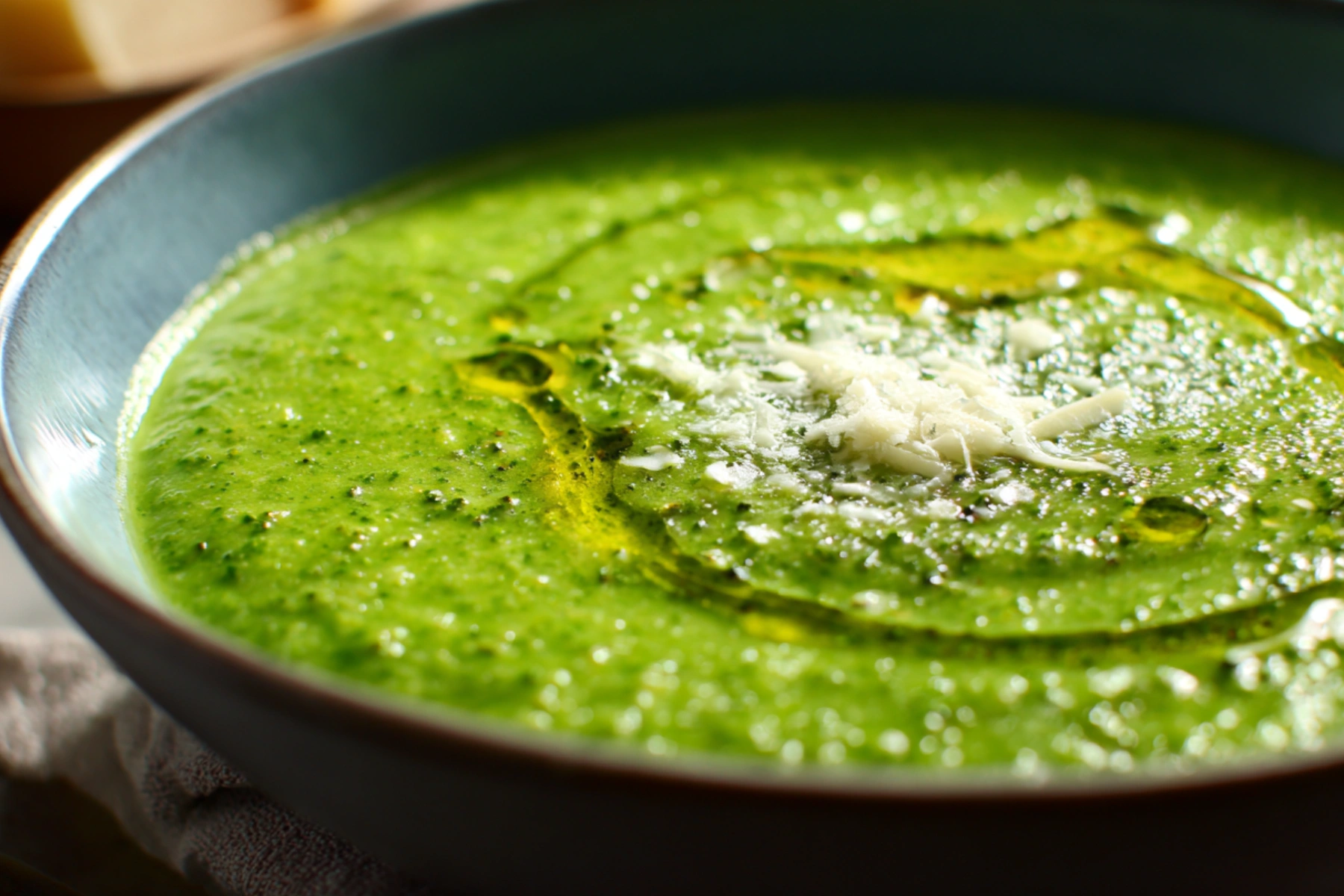
Traditional Italian broccoli soup tastes best when served simply and hot. Italians often treat soups like this as a quiet centerpiece rather than a side, so presentation stays modest. A warm bowl, a drizzle of olive oil, and a light sprinkle of grated Parmesan create a complete serving without distraction. Fresh parsley added at the end brings color and keeps the soup tasting lively.
Bread often accompanies this soup. A slice of crusty bread or toasted rustic loaf works perfectly for dipping and soaking up every spoonful. This pairing turns traditional Italian broccoli soup into a satisfying meal rather than just a starter. When served as part of a larger table, the soup fits naturally before pasta or alongside a simple salad.
Portion size stays flexible. A smaller bowl works well as an opening course, while a larger serving stands on its own for lunch or a light dinner. Because the soup holds heat well, it stays comforting from the first bite to the last.
Why This Soup Belongs in Everyday Cooking
Traditional Italian broccoli soup earns its place through reliability. It uses vegetables that store well, cooks without stress, and adapts easily to different schedules. Leftovers taste just as good the next day, sometimes better, as the flavors settle and deepen. Gentle reheating over low heat keeps the texture smooth and the flavor balanced.
Freezing also works well. Once cooled, the soup stores easily and reheats without separating. That quality makes it practical for meal prep and busy weeks. You can cook once and enjoy several meals without sacrificing quality.
What makes this soup lasting isn’t complexity. It’s restraint. Italian cooking often focuses on doing a few things well rather than many things at once. Traditional Italian broccoli soup follows that idea closely. It respects vegetables, values time, and delivers nourishment without excess.
This soup doesn’t chase trends or bold additions. It stays steady and comforting, which is exactly why it continues to appear on Italian tables. When you want a dish that feels grounding and familiar, traditional Italian broccoli soup offers warmth, balance, and quiet satisfaction in every bowl.
Because this soup fits so easily into everyday routines, it helps to keep the kitchen simple and organized, and practical kitchen organization ideas like those shared by The Kitchn can make preparing soups like this feel even more relaxed and efficient.

Traditional Italian Broccoli Soup
Ingredients
Equipment
Method
- Wash the broccoli thoroughly and chop it into small florets, then set aside.
- Heat olive oil in a large pot over medium heat and sauté the diced onion until translucent, about 5 minutes.
- Add the minced garlic and cook for 1 minute, stirring gently.
- Add diced potatoes and carrot, stir well, and cook for about 5 minutes.
- Pour in the vegetable broth or water and bring to a boil.
- Add the broccoli, season with salt and pepper, then reduce heat and simmer for 15 to 20 minutes until vegetables are tender.
- Remove from heat and blend the soup until smooth using an immersion blender or standard blender.
- Return soup to the pot, adjust seasoning, and thin with more broth if needed.
- Serve hot with Parmesan cheese, red pepper flakes, and parsley if desired.
Nutrition
Notes
Spinach or kale can be added for extra flavor.
For a creamier texture, add a small splash of cream or sour cream before serving.
The soup freezes well and is ideal for meal prep.
From your stove to our hearts
share your delicious take!FAQs About Traditional Italian Broccoli Soup
What can I add to broccoli soup to make it taste better?
You can improve traditional Italian broccoli soup by finishing it with grated Parmesan cheese, a drizzle of olive oil, or a pinch of crushed red pepper flakes. These additions deepen flavor while keeping the soup balanced and vegetable-forward.
What is the most popular soup in Italy?
Minestrone is widely recognized as the most popular Italian soup, especially outside Italy. However, simple vegetable soups remain more common in everyday Italian cooking.
What is the name of the Italian broccoli?
In Italian, broccoli is often called broccolo in singular form or broccoli in plural. A common variety used in cooking is broccoli calabresi.
What is the national soup of Italy?
Italy does not have an official national soup. Minestrone often represents Italian soup traditions, but regional and seasonal soups vary widely across the country.
Conclusion: Traditional Italian Broccoli Soup
Traditional Italian broccoli soup captures the heart of everyday Italian cooking by turning simple vegetables into something deeply comforting. This soup doesn’t rely on heavy cream or complex seasoning. Instead, it builds flavor through olive oil, patient cooking, and ingredients that naturally work well together. Broccoli brings earthiness, potatoes add body, and carrots soften the flavor just enough to keep the soup balanced. Each step respects the vegetables rather than trying to overpower them.
What makes this soup special is its flexibility. You can enjoy it as a light lunch, a starter, or a simple dinner with bread. It reheats well, freezes easily, and adapts to what you already have in the kitchen. That practicality explains why soups like this remain part of daily Italian meals.
Traditional Italian broccoli soup proves that good food doesn’t need excess. It needs care, timing, and respect for ingredients. One warm bowl delivers comfort, nourishment, and a sense of calm that never goes out of style.