
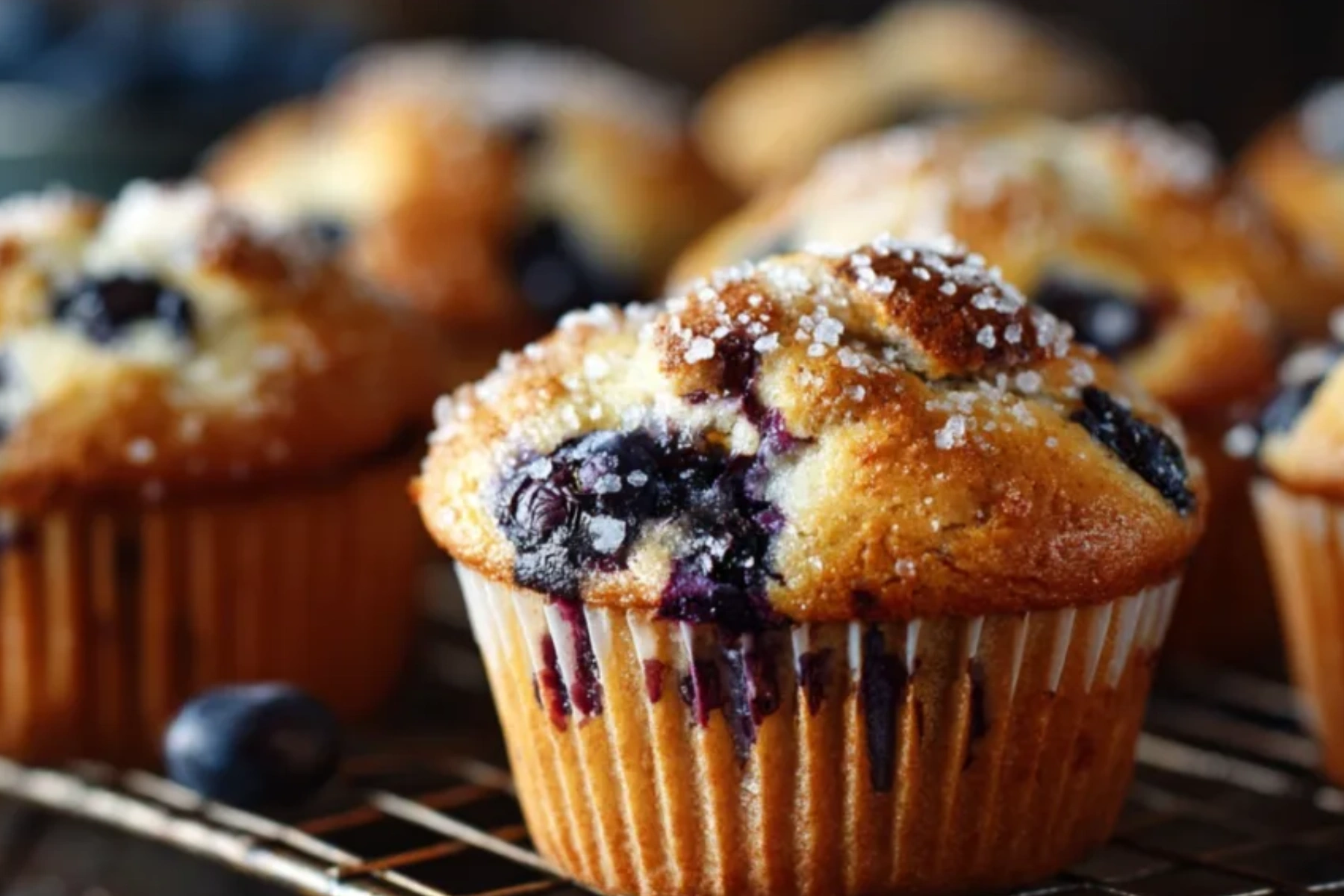
There’s something special about pulling a tray of warm blueberry muffins from the oven. The golden tops, the sweet aroma of butter and vanilla, and the burst of juicy blueberries in every bite instantly make the kitchen feel welcoming. I still remember the first time I baked blueberry muffins that actually looked like the ones from my favorite bakery. Before that, my muffins often turned out flat or dense, even though they tasted good. After plenty of trial and error, I discovered that a few simple changes in mixing, ingredient temperature, and baking technique made all the difference.
These blueberry muffins combine soft, tender crumbs with beautifully domed tops and plenty of fresh blueberry flavor. They use everyday pantry ingredients, yet the finished muffins look and taste bakery-quality. Whether you’re making breakfast for your family, packing school lunches, or preparing a weekend brunch, this recipe delivers dependable results every time.
In this guide, you’ll learn why this recipe works so well, how each ingredient affects the final texture, and the small baking techniques that help produce light, fluffy muffins every time.
- Bakery-Style Rise Every Time
- Moist, Tender Crumb
- Fresh vs. Frozen Blueberries
- Step 1: Prepare the Oven
- Step 2: Mix the Dry Ingredients
- Step 3: Cream the Butter and Sugar
- Step 4: Add the Eggs
- Step 5: Alternate the Flour and Buttermilk
- Step 6: Fold in the Blueberries
- Step 7: Fill the Muffin Cups
- Step 8: Bake
- Step 9: Cool
- Step 10: Enjoy
- Expert Baking Tips
- Common Mistakes
- Troubleshooting Guide
- Blueberry Muffin Variations
- Ingredient Substitutions
- Serving Suggestions
- Storage & Freezing
- FAQs About Blueberry Muffins
- Conclusion
Why This Blueberry Muffin Recipe Works
Bakery-Style Rise Every Time
Many homemade blueberry muffins taste great but lack the tall, rounded tops that make bakery muffins so appealing. This recipe solves that problem by combining the right batter consistency with a two-temperature baking method.
The muffins begin baking at 425°F (220°C) for the first few minutes. That initial burst of heat quickly activates the baking powder and helps the batter rise upward instead of spreading outward. After the muffins begin to set, lowering the oven temperature allows the centers to bake gently while keeping the crumb soft and moist.
Another important factor is filling the muffin cups generously. Filling each cavity nearly to the top gives the batter enough volume to rise into impressive domes.
Moist, Tender Crumb
Texture matters just as much as appearance. These blueberry muffins stay soft because every ingredient plays an important role.
Softened butter creates richness and flavor while sugar traps tiny air pockets during creaming. Those pockets expand in the oven and help create a lighter crumb. Honey contributes gentle sweetness while helping the muffins stay moist for several days.
Buttermilk adds both moisture and a slight tang that balances the sweetness. Since buttermilk is acidic, it reacts with baking soda to produce additional lift, giving the muffins a delicate interior.
Finally, blueberries release small bursts of juice while baking, creating pockets of fresh fruit throughout every muffin.
The result is a muffin that’s soft enough to enjoy on its own yet sturdy enough to hold plenty of berries without falling apart.
Recipe Testing Notes
Developing this blueberry muffin recipe took several rounds of baking because I wanted consistent results rather than relying on luck.
My first batch used melted butter because it mixed quickly. Although the flavor was rich, the muffins spread more than they rose, and the crumb became slightly heavier. Switching to softened butter and creaming it with the sugar produced noticeably lighter muffins with much taller tops.
I also tested whole milk, yogurt, and buttermilk. Whole milk created a pleasant flavor but didn’t provide enough tenderness. Yogurt made the batter thicker, producing slightly denser muffins. Buttermilk consistently delivered the softest crumb while giving the muffins better color and rise.
Fresh blueberries worked beautifully during blueberry season, but frozen blueberries performed almost as well. The key was adding them directly from the freezer without thawing. Thawed berries released too much juice, creating purple streaks and slightly wetter batter.
Another lesson came from mixing. Overmixed batter consistently produced chewy muffins with tunnels inside. Folding the flour only until combined created a noticeably softer texture.
Finally, I experimented with baking temperatures. Baking entirely at 375°F produced evenly baked muffins but smaller tops. Starting at a higher temperature before reducing the heat consistently created the bakery-style appearance I wanted.
After several batches and plenty of taste tests, this version became the one I now bake whenever I want dependable results.
Ingredient Science
Understanding how each ingredient works helps you bake better blueberry muffins every time.
| Ingredient | Purpose |
|---|---|
| All-purpose flour | Provides structure while keeping the crumb tender. |
| Baking powder | Creates the primary lift during baking. |
| Baking soda | Reacts with buttermilk for additional rise. |
| Salt | Balances sweetness and strengthens flavor. |
| Butter | Adds richness while trapping air during creaming. |
| Sugar | Sweetens while contributing to a tender texture. |
| Honey | Adds moisture and a subtle floral sweetness. |
| Eggs | Provide structure, stability, and richness. |
| Buttermilk | Creates a soft crumb and reacts with baking soda. |
| Blueberries | Add fresh flavor, moisture, and bursts of sweetness. |
Using room-temperature butter, eggs, and buttermilk also helps the batter mix evenly. Cold ingredients can cause the butter to firm up again, creating an uneven batter that doesn’t rise as well.
Whether you choose fresh or frozen blueberries, both produce excellent muffins. Fresh berries hold their shape slightly better, while frozen berries make this recipe easy to prepare any time of year. Just remember to fold frozen berries into the batter straight from the freezer to prevent excess moisture and color bleeding.
If you enjoy muffins with a bright, bakery-style flavor profile, you might also like my Moist Cottage Cheese Lemon Poppy Seed Muffins, they share that tender texture and fresh citrus lift that makes berry bakes taste extra lively.
Ingredients for the Best Blueberry Muffins
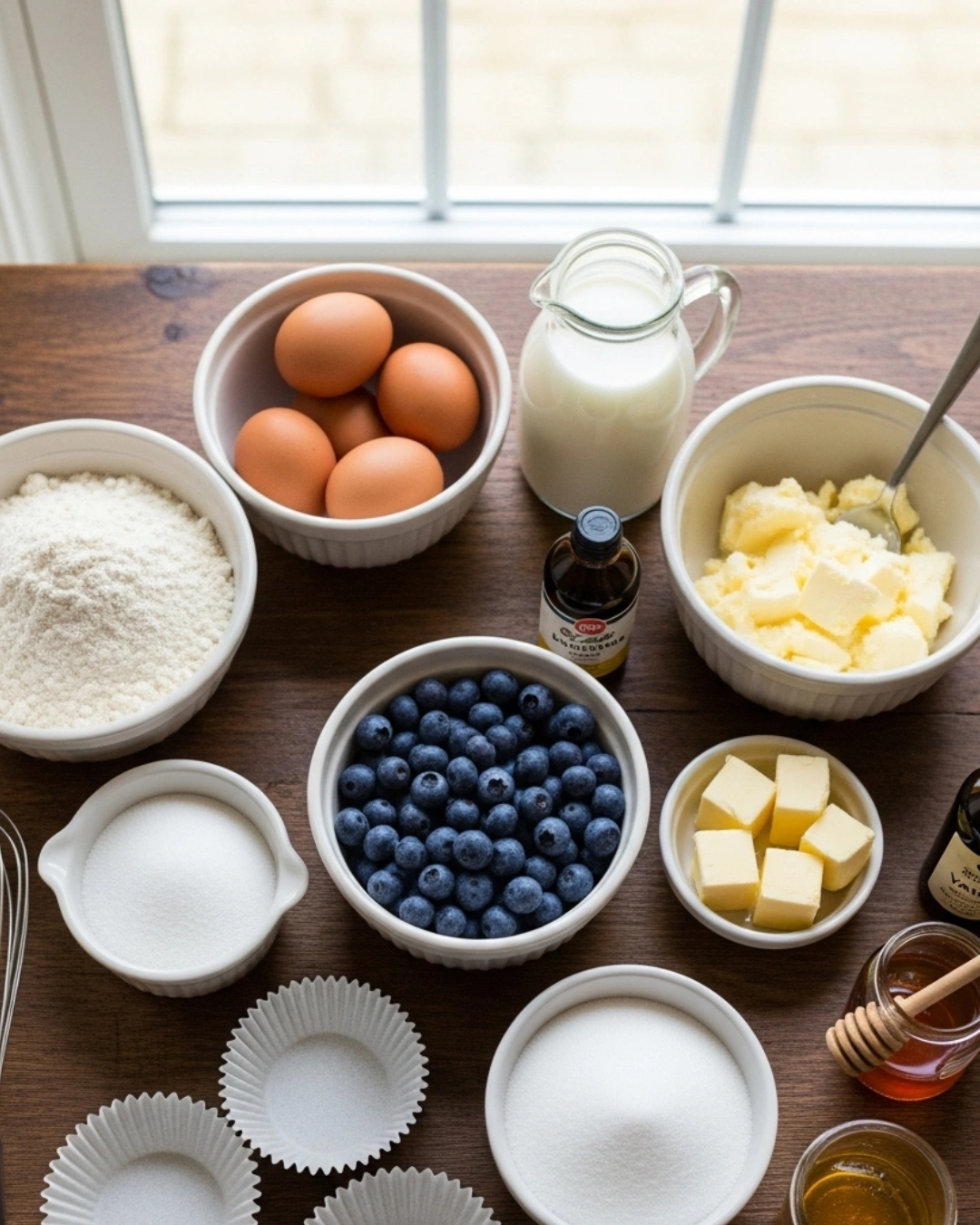
The beauty of these blueberry muffins comes from using everyday ingredients in the right proportions. Every ingredient has a specific purpose, so measuring carefully helps produce soft, flavorful muffins with beautiful domed tops every time.
Dry Ingredients
- 2½ cups (300g) all-purpose flour
- 2 teaspoons baking powder
- ½ teaspoon baking soda
- ½ teaspoon fine salt
- 1 teaspoon ground cinnamon (optional)
- 1 teaspoon lemon zest (optional for a brighter flavor)
Wet Ingredients
- ½ cup (113g) unsalted butter, softened
- ¾ cup (150g) granulated sugar
- 2 tablespoons honey
- 2 large eggs, room temperature
- 2 teaspoons pure vanilla extract
- 1 cup (240ml) buttermilk, room temperature
Add-Ins
- 2 cups fresh blueberries
or - 2 cups frozen blueberries (do not thaw)
Topping
- 1 tablespoon coarse sugar (optional)
The coarse sugar creates a lightly crisp, bakery-style top, while the cinnamon or lemon zest lets you customize the flavor depending on the season or your preference.
Ingredient Notes
Although this recipe is simple, a few ingredient choices can noticeably improve the finished muffins.
Fresh Blueberries
Fresh blueberries hold their shape well during baking and create beautiful bursts of fruit throughout the muffins. During peak blueberry season, they’re usually sweeter and firmer, making them an excellent choice.
Frozen Blueberries
Frozen blueberries work almost as well and allow you to enjoy homemade blueberry muffins all year.
For the best results:
- Keep them frozen until ready to use.
- Fold them into the batter gently.
- Never thaw them first.
Thawed blueberries release excess moisture, making the batter wetter and turning it purple before baking.
Why Buttermilk Matters
Buttermilk provides much more than moisture.
It also:
- Creates a softer crumb
- Adds a subtle tang
- Reacts with baking soda
- Produces better browning
If you don’t have buttermilk, you can make a quick substitute by combining one cup of milk with one tablespoon of lemon juice or white vinegar. Let the mixture rest for about 10 minutes before using.
Butter vs. Oil
Butter gives these blueberry muffins a richer flavor and slightly firmer structure.
Oil produces softer muffins, but you lose some of the buttery flavor that makes bakery muffins so satisfying.
Fresh vs. Frozen Blueberries
<table style=”width:100%; border-collapse:collapse; margin-top:20px;”> <thead> <tr style=”background:#f8f8f8;”> <th style=”border:1px solid #ccc; padding:10px;”>Fresh Blueberries</th> <th style=”border:1px solid #ccc; padding:10px;”>Frozen Blueberries</th> </tr> </thead> <tbody> <tr> <td style=”border:1px solid #ccc; padding:10px;”>Hold their shape well</td> <td style=”border:1px solid #ccc; padding:10px;”>Available year-round</td> </tr> <tr> <td style=”border:1px solid #ccc; padding:10px;”>Less color bleeding</td> <td style=”border:1px solid #ccc; padding:10px;”>Add directly from freezer</td> </tr> <tr> <td style=”border:1px solid #ccc; padding:10px;”>Naturally sweeter in season</td> <td style=”border:1px solid #ccc; padding:10px;”>May need 1–2 extra minutes of baking</td> </tr> <tr> <td style=”border:1px solid #ccc; padding:10px;”>Ideal for summer baking</td> <td style=”border:1px solid #ccc; padding:10px;”>Perfect for baking any time of year</td> </tr> </tbody> </table>
Equipment You’ll Need
You don’t need professional baking tools to make excellent blueberry muffins, but having the right equipment makes the process easier and more consistent.
- 12-cup muffin pan
- Paper liners or nonstick baking spray
- Two mixing bowls
- Electric hand mixer or stand mixer
- Rubber spatula
- Whisk
- Measuring cups and spoons
- Cooling rack
- Cookie scoop or large ice cream scoop (helps portion the batter evenly)
- Kitchen scale (recommended for the most accurate results)
Using a cookie scoop helps each muffin bake at the same rate because every cup receives nearly the same amount of batter.
Step-by-Step Instructions
Step 1: Prepare the Oven
Preheat the oven to 425°F (220°C).
Line a standard 12-cup muffin pan with paper liners or lightly grease each cavity.
Starting with a fully heated oven helps the muffins rise quickly during the first few minutes of baking.
Step 2: Mix the Dry Ingredients
In a large bowl, whisk together:
- Flour
- Baking powder
- Baking soda
- Salt
- Cinnamon or lemon zest (if using)
Whisking distributes the leavening evenly so every muffin rises consistently.
Set the bowl aside.
Step 3: Cream the Butter and Sugar
In another large bowl, beat the softened butter, granulated sugar, and honey for about 3 to 4 minutes.
The mixture should become pale, light, and fluffy.
Don’t rush this step.
Creaming creates tiny air pockets that expand in the oven, giving your blueberry muffins a lighter texture and taller tops.
Step 4: Add the Eggs
Add the eggs one at a time.
Beat well after each addition.
Scrape down the sides of the bowl with a rubber spatula before adding the next egg.
Stir in the vanilla extract until fully combined.
The batter should look smooth and creamy.
Step 5: Alternate the Flour and Buttermilk
Reduce the mixer to low speed.
Add half of the flour mixture.
Mix just until incorporated.
Pour in the buttermilk.
Mix briefly.
Add the remaining flour mixture.
Stop mixing as soon as no dry flour remains.
Overmixing develops gluten, producing heavier muffins instead of soft, tender ones.
Step 6: Fold in the Blueberries
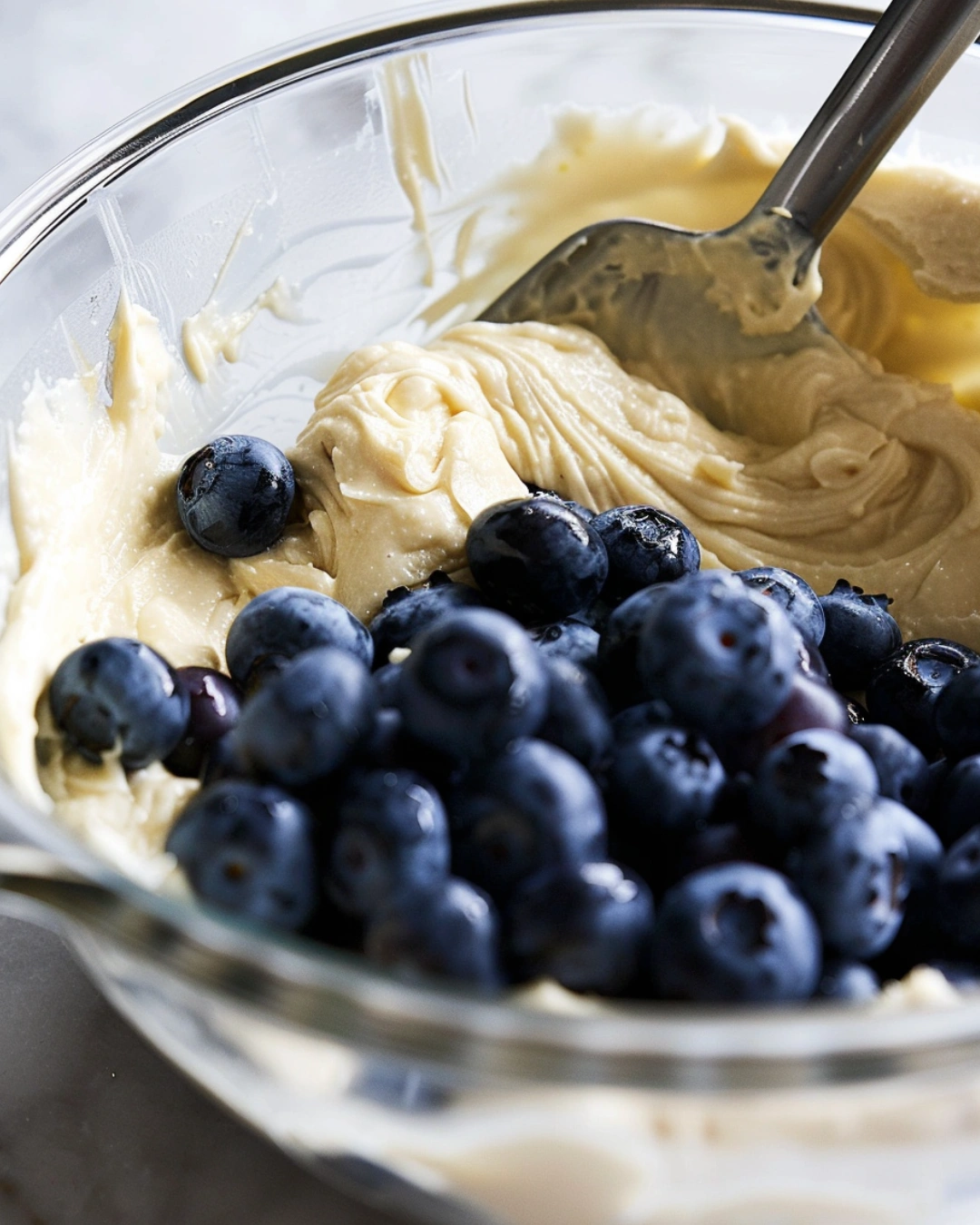
Using a rubber spatula, gently fold the blueberries into the batter.
If you’re using frozen blueberries, add them directly from the freezer.
Use slow folding motions instead of stirring vigorously.
This keeps the berries intact while preserving the light texture of the batter.
Step 7: Fill the Muffin Cups
Divide the batter evenly among the prepared muffin cups.
Fill each cavity almost to the top.
Sprinkle coarse sugar over each muffin if desired.
A generous amount of batter encourages tall bakery-style muffin tops.
Step 8: Bake
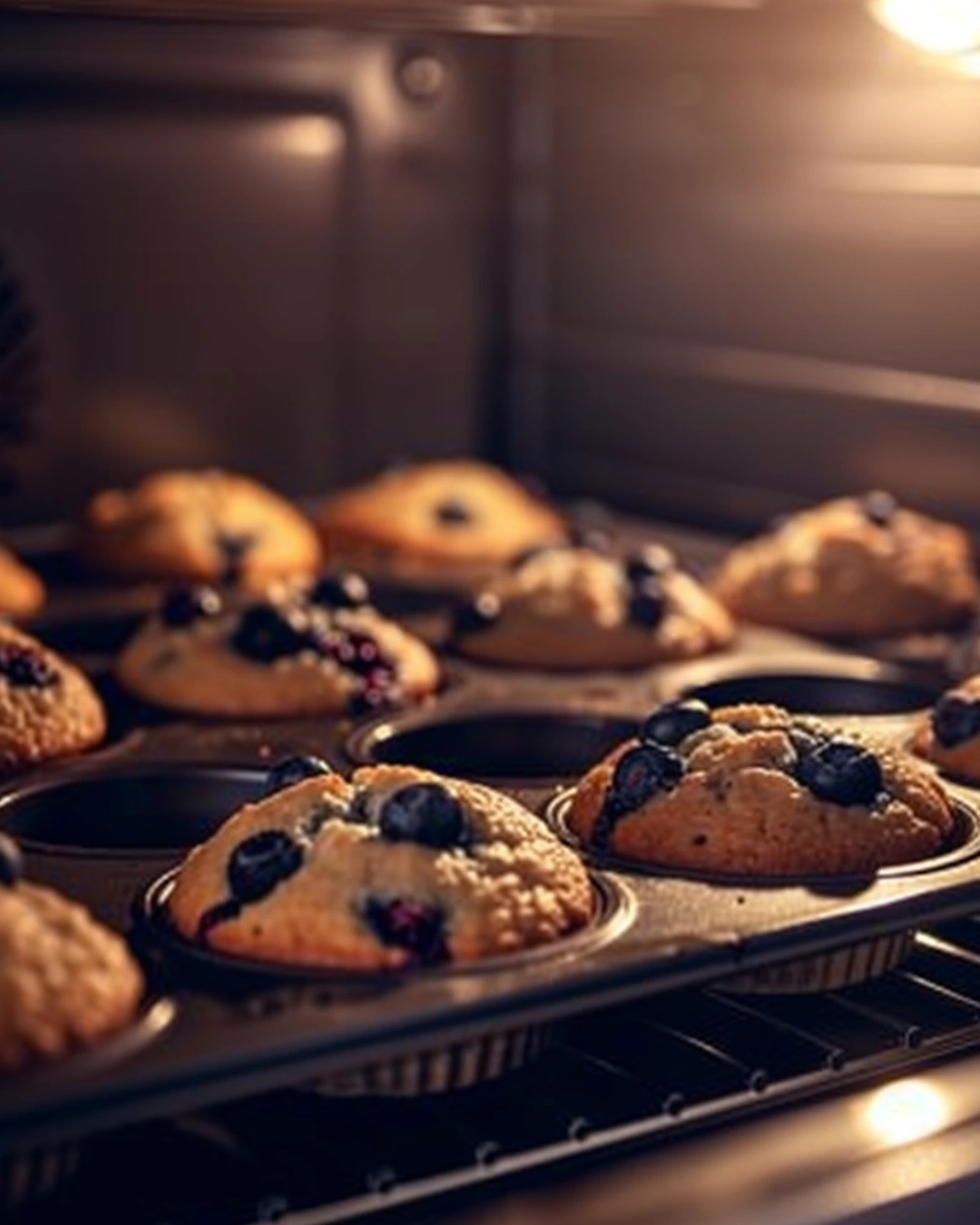
Bake at 425°F (220°C) for 5 minutes.
Without opening the oven door, reduce the temperature to 375°F (190°C).
Continue baking for another 13 to 18 minutes, depending on your oven.
The muffins are ready when:
- The tops are golden brown.
- A toothpick inserted into the center comes out with only a few moist crumbs.
- The centers spring back lightly when touched.
Step 9: Cool
Allow the muffins to cool in the pan for 5 minutes.
Transfer them to a wire rack to finish cooling.
Cooling them on a rack prevents steam from collecting underneath, helping the bottoms stay light instead of becoming soggy.
Step 10: Enjoy
Serve the blueberry muffins warm or at room temperature.
They taste wonderful on their own, but they’re also delicious with:
- Soft butter
- Honey
- Fruit preserves
- Lemon curd
- Cream cheese
The muffins stay tender for several days, making them an excellent choice for breakfast, snacks, or weekend brunches.
Expert Baking Tips
Overmixing is the fastest way to lose that tender muffin texture, so I stop as soon as the flour disappears. If you like the baking science behind why mixing matters, this America’s Test Kitchen roundup of top-tested kitchen picks is also a helpful reference when you want reliable tools that hold up, especially for repeat bakes like muffins.
Start with Room-Temperature Ingredients
Allow the butter, eggs, and buttermilk to sit at room temperature for about 30 minutes before mixing.
When ingredients are similar in temperature, they combine more smoothly and create a batter that bakes evenly. Cold ingredients can cause the butter to harden, leaving small lumps that affect the texture.
Measure Flour Correctly
Too much flour creates dry, heavy muffins.
For the best results:
- Weigh the flour with a kitchen scale.
- If using measuring cups, spoon the flour into the cup.
- Level it with a knife instead of scooping directly from the bag.
Even a small amount of extra flour can noticeably change the texture.
Cream the Butter Thoroughly
Don’t rush this step.
Beat the butter, sugar, and honey for 3 to 4 minutes until the mixture becomes pale and fluffy.
This process incorporates air, helping the muffins rise higher during baking.
Don’t Overmix the Batter
After adding the flour, mix only until no dry streaks remain.
A few small lumps are perfectly fine.
Overmixing develops gluten, making muffins chewy instead of soft and tender.
Fold the Blueberries Gently
Use a rubber spatula rather than the mixer.
Slow folding keeps the berries whole and prevents them from breaking apart.
If using frozen blueberries, keep them frozen until they’re ready to go into the batter.
Fill Muffin Cups Generously
Many home bakers underfill muffin cups.
Fill each cup almost to the top.
The larger amount of batter encourages tall, rounded muffin tops.
Bake at Two Temperatures
The high starting temperature creates rapid oven spring.
Bake at:
- 425°F (220°C) for 5 minutes
- Then reduce to 375°F (190°C) until fully baked
This simple trick gives homemade muffins their bakery appearance.
Cool on a Wire Rack
After five minutes in the pan, transfer the muffins to a cooling rack.
Leaving them in the pan too long traps steam underneath and softens the bottoms.
Common Mistakes
Even experienced bakers occasionally run into problems. Fortunately, most blueberry muffin issues have simple solutions.
| Problem | Cause | Solution |
|---|---|---|
| Flat muffin tops | Oven not hot enough | Begin baking at 425°F |
| Dense muffins | Overmixed batter | Mix only until combined |
| Dry texture | Too much flour or overbaking | Measure carefully and check early |
| Purple batter | Thawed frozen blueberries | Use berries straight from the freezer |
| Blueberries sink | Thin batter | Use the correct ingredient measurements |
| Uneven baking | Uneven batter portions | Use a cookie scoop for even filling |
Troubleshooting Guide
Why did my blueberry muffins sink after baking?
This usually happens when the muffins are underbaked or when the oven door opens too early.
Bake until a toothpick comes out with only a few moist crumbs.
Why are my muffins dry?
Dry muffins usually result from:
- Too much flour
- Baking too long
- Measuring ingredients incorrectly
Use a kitchen scale whenever possible and begin checking for doneness a few minutes before the suggested baking time ends.
Why are my muffins dense?
Dense muffins almost always come from overmixing.
Once you add the flour, stir only until everything comes together.
Why didn’t my muffins rise?
Check the freshness of your baking powder and baking soda.
Older leavening agents lose strength over time.
Also make sure your oven has fully preheated before placing the muffins inside.
Why did the blueberries sink?
Very thin batter allows blueberries to settle toward the bottom.
Following the ingredient measurements carefully produces a batter thick enough to suspend the berries evenly.
Why are my muffins tough?
Too much mixing develops gluten.
Use slow, gentle folding once the flour goes into the batter.
Blueberry Muffin Variations
This recipe serves as an excellent base for many delicious variations.
Lemon Blueberry Muffins
Add:
- 2 teaspoons lemon zest
- 1 tablespoon fresh lemon juice
Finish with a light lemon glaze after cooling.
Cinnamon Streusel Muffins
Top each muffin with a mixture of:
- Brown sugar
- Flour
- Butter
- Cinnamon
Bake as directed for a crunchy topping.
Mixed Berry Muffins
Replace half of the blueberries with:
- Raspberries
- Blackberries
- Chopped strawberries
This creates a colorful berry blend.
White Chocolate Blueberry Muffins
Fold in:
- ½ cup white chocolate chips
The creamy sweetness pairs beautifully with blueberries.
Almond Blueberry Muffins
Replace half of the vanilla extract with almond extract.
Sprinkle sliced almonds over the tops before baking.
Jumbo Bakery Muffins
Divide the batter into six jumbo muffin cups.
Bake:
- 425°F for 5 minutes
- 375°F for approximately 22–28 minutes
Mini Blueberry Muffins
Fill mini muffin tins about three-quarters full.
Bake for approximately 10–13 minutes.
They’re perfect for lunchboxes and quick snacks.
Ingredient Substitutions
Sometimes you need to work with what’s already in your kitchen.
| Ingredient | Substitute |
|---|---|
| Buttermilk | 1 cup milk + 1 tablespoon lemon juice |
| Butter | Neutral vegetable oil |
| Honey | Maple syrup |
| Granulated sugar | Light brown sugar |
| Blueberries | Raspberries, blackberries, or chopped strawberries |
| All-purpose flour | 1:1 gluten-free baking flour |
| Vanilla extract | Almond extract (use half the amount) |
These substitutions make the recipe flexible while still producing soft, flavorful blueberry muffins.
Serving Suggestions
These blueberry muffins fit almost any occasion. They’re just as satisfying with a quick weekday breakfast as they are on a weekend brunch table. Their soft texture and juicy berries pair well with both sweet and savory sides.
For breakfast, serve a warm muffin with a pat of butter and a cup of freshly brewed coffee or hot tea. If you’re putting together a brunch spread, pair the muffins with scrambled eggs, fresh fruit, yogurt parfaits, or a simple spinach frittata for a balanced meal.
Blueberry muffins also make an excellent afternoon snack. Slice one in half and spread it with cream cheese, whipped honey butter, or lemon curd for an extra layer of flavor. During the summer, enjoy them with a handful of fresh berries, while in cooler months they pair beautifully with a warm cup of chai or hot chocolate.
If you’re serving guests, arrange the muffins in a bread basket lined with a clean kitchen towel to help keep them warm throughout the meal.
Storage & Freezing
One of the best things about these blueberry muffins is that they stay soft for several days when stored properly.
At Room Temperature
Allow the muffins to cool completely before storing.
Place them in an airtight container lined with a paper towel. Add another paper towel on top before closing the lid. The towels absorb excess moisture and help keep the tops from becoming sticky.
Store for up to 3 days.
Refrigerator
Although refrigeration isn’t necessary, you can refrigerate the muffins if your kitchen is particularly warm.
Store them in an airtight container for up to one week.
Warm each muffin for about 15 seconds in the microwave before serving.
Freezer
These muffins freeze exceptionally well.
- Allow the muffins to cool completely.
- Wrap each muffin individually in plastic wrap.
- Place them inside a freezer-safe bag or airtight container.
- Label with the date.
Freeze for up to 3 months.
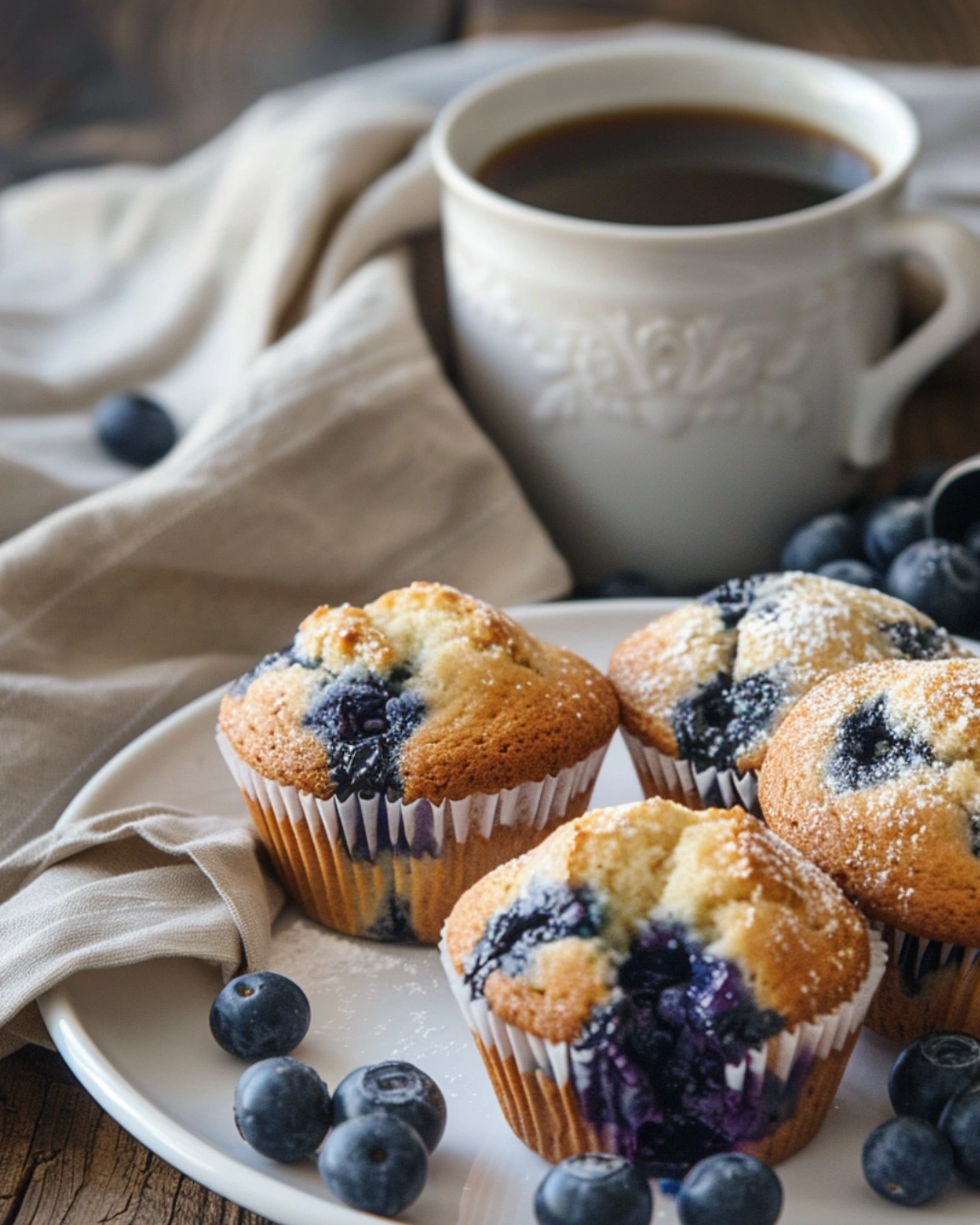
Nutrition Notes
The nutrition values below are approximate and may vary depending on ingredient brands and muffin size.
| Nutrient | Per Muffin (Approx.) |
|---|---|
| Calories | 245 |
| Protein | 4 g |
| Carbohydrates | 35 g |
| Fat | 10 g |
| Fiber | 2 g |
| Sugar | 16 g |
| Sodium | 180 mg |
For a lighter version, reduce the sugar slightly or replace part of the all-purpose flour with whole wheat flour. You can also use plain Greek yogurt in place of some of the butter to create a slightly lighter muffin while maintaining a moist texture.
If you enjoy cozy bakes like blueberry muffins, you might also love browsing Taste of Home’s sweet bread recipe collection for more loaf-style ideas that pair perfectly with coffee, tea, or an easy weekend brunch.
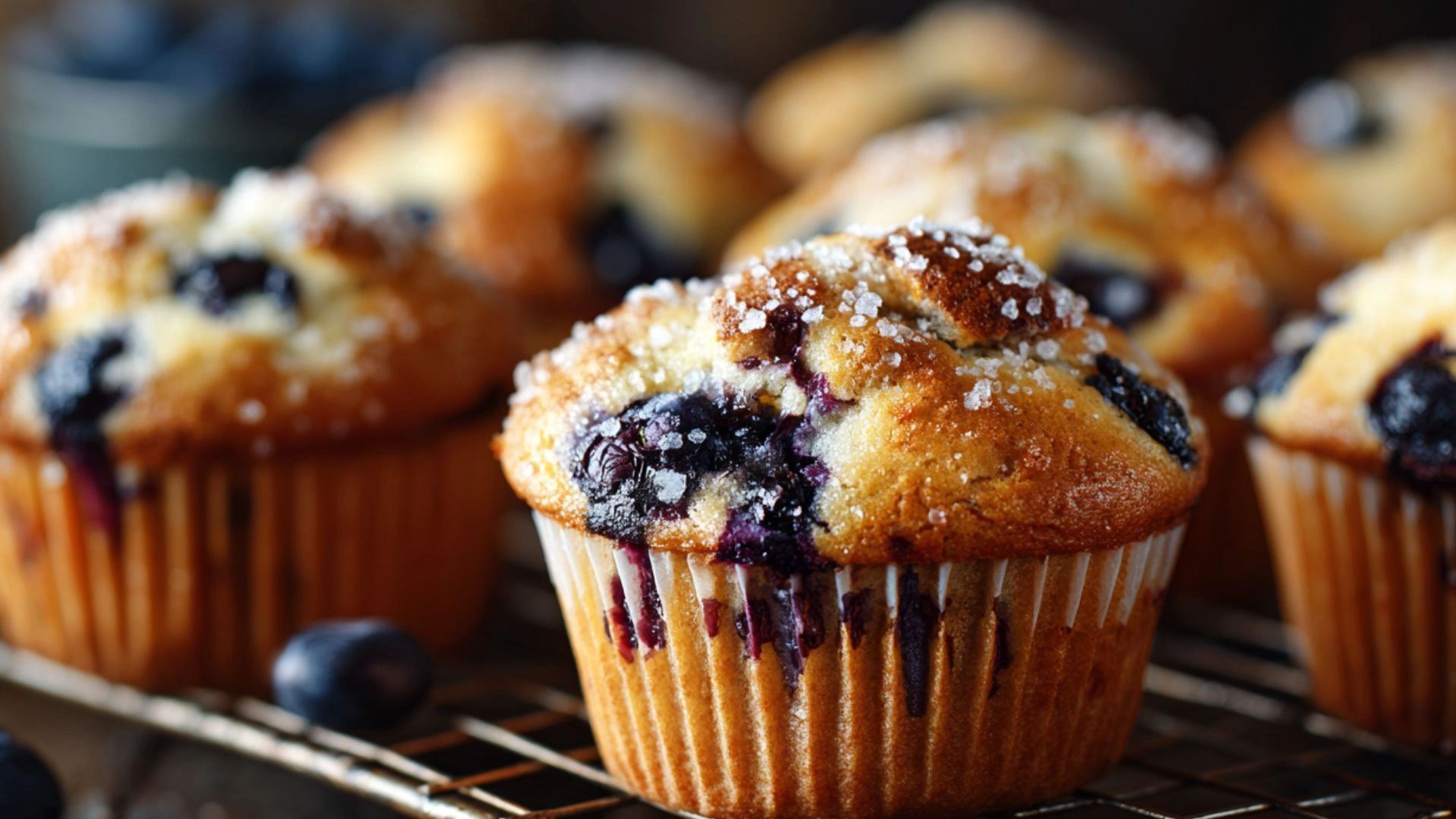

Blueberry Muffins
Ingredients
Equipment
Method
- Preheat oven to 425°F (215°C). Butter 10–12 muffin cups or line with paper liners.
- In a medium bowl, sift together flour, baking powder, baking soda, salt, and cinnamon (if using). Set aside.
- In a stand mixer with paddle attachment, beat butter, sugar, honey, and lemon zest (if using) on medium speed for 3 minutes until light and fluffy. Scrape down the bowl as needed.
- Beat in eggs one at a time, mixing well after each addition. Add vanilla and mix until combined.
- With mixer on low, add half the dry ingredients and mix just until combined. Add buttermilk and mix until combined. Add remaining dry ingredients and mix briefly or fold by hand until just combined. Do not overmix.
- Gently fold in blueberries.
- Divide batter between muffin cups, filling almost to the top. Sprinkle with coarse sugar.
- Bake 5 minutes at 425°F, then reduce oven temperature to 375°F (190°C). Bake 8–13 minutes more, until a toothpick comes out clean or with a few moist crumbs.
- Cool in pan for 8 minutes, then transfer to a wire rack to cool completely.
Nutrition
Notes
Freeze tightly covered for up to 2 months. Thaw covered on the counter or overnight in the fridge.
For the tallest tops, bake immediately after filling the cups.
From your stove to our hearts
share your delicious take!FAQs About Blueberry Muffins
Can I use cinnamon and lemon zest together?
Can I use frozen blueberries instead of fresh?
Why are my blueberry muffins dense?
How do I get tall bakery-style muffin tops?
Conclusion
These blueberry muffins prove that a few smart steps can make a big difference in texture and flavor. When you cream the butter, sugar, and honey until fluffy, you build lift before the oven even starts. When you mix gently and fold the blueberries carefully, you protect that tender crumb and keep the batter light. Then the hot-start baking method delivers the best reward: tall, bakery-style tops with a soft center and bursts of berries in every bite.
Whether you choose cinnamon for warmth or lemon zest for brightness, the muffins feel special while staying easy enough for any day of the week. If you plan ahead, freezing a few muffins makes busy mornings simpler, and reheating brings back that fresh-baked comfort. Keep this recipe in your rotation, because homemade blueberry muffins always turn an ordinary moment into something sweeter, warmer, and worth slowing down for.