
There’s something quietly magical about tapioca pudding. It’s simple, nostalgic, and deeply comforting like a soft melody from the kitchen that takes you back in time. If you’ve never tried making it from scratch, don’t worry. This guide will walk you through every step of making homemade tapioca pudding with real small pearl tapioca—no shortcuts, no instant mix, just slow, meaningful cooking.
You’ll learn how to get that creamy texture, how to avoid common mistakes (like overcooking or curdling), and even how to dress it up with flavor twists or toppings like cinnamon sugar, toasted coconut, or seasonal fruit. This is the kind of dessert that asks you to slow down, stir gently, and savor each spoonful. Whether you’re revisiting a favorite from childhood or discovering it for the first time, this recipe promises something special: a bowl of pudding that feels like home.
The Story Behind This Tapioca Pudding Recipe
A Quiet Moment in the Kitchen
When I think of tapioca pudding, I picture my grandmother humming softly while stirring a pot of milk over a double boiler. The kitchen always smelled faintly sweet, and there was a calm rhythm to how she cooked—slow, patient, full of care. She believed that simple recipes told the best stories, and tapioca pudding was one of her favorites. I didn’t realize then just how comforting that dessert would become in my own life.
Now, every time I make it, that same stillness returns. The bubbling milk, the swelling pearls, and the subtle sweetness all bring back that feeling of warmth. For me, it sits right next to rice pudding and butterscotch pudding, comfort foods that never go out of styl
Why Small Pearl Tapioca Makes All the Difference
If you’ve ever had pudding that felt mushy or overly thick, it likely wasn’t made with small pearl tapioca. These tiny balls of starch, made from cassava root, are the secret to that perfectly balanced texture. But there’s one trick: they need to be soaked overnight. That simple step transforms them from dry, crunchy beads into soft, plump pearls that cook up gently in warm milk.
Unlike instant or quick-cook varieties, small pearl tapioca holds its shape. It gives the pudding a luxurious texture—creamy, but never gluey. For the most authentic flavor and feel, avoid “minute” or “granulated” versions. This recipe only works its magic with the real deal—and once you try it, you’ll never go back.
Unlike instant or quick versions, it holds its shape and cooks slowly to creamy perfection. For more on this, Simply Recipes offers a great breakdown on working with real tapioca.
The Ingredients & Cooking Process, Step-by-Step
The Simple Ingredients That Make This Pudding Shine
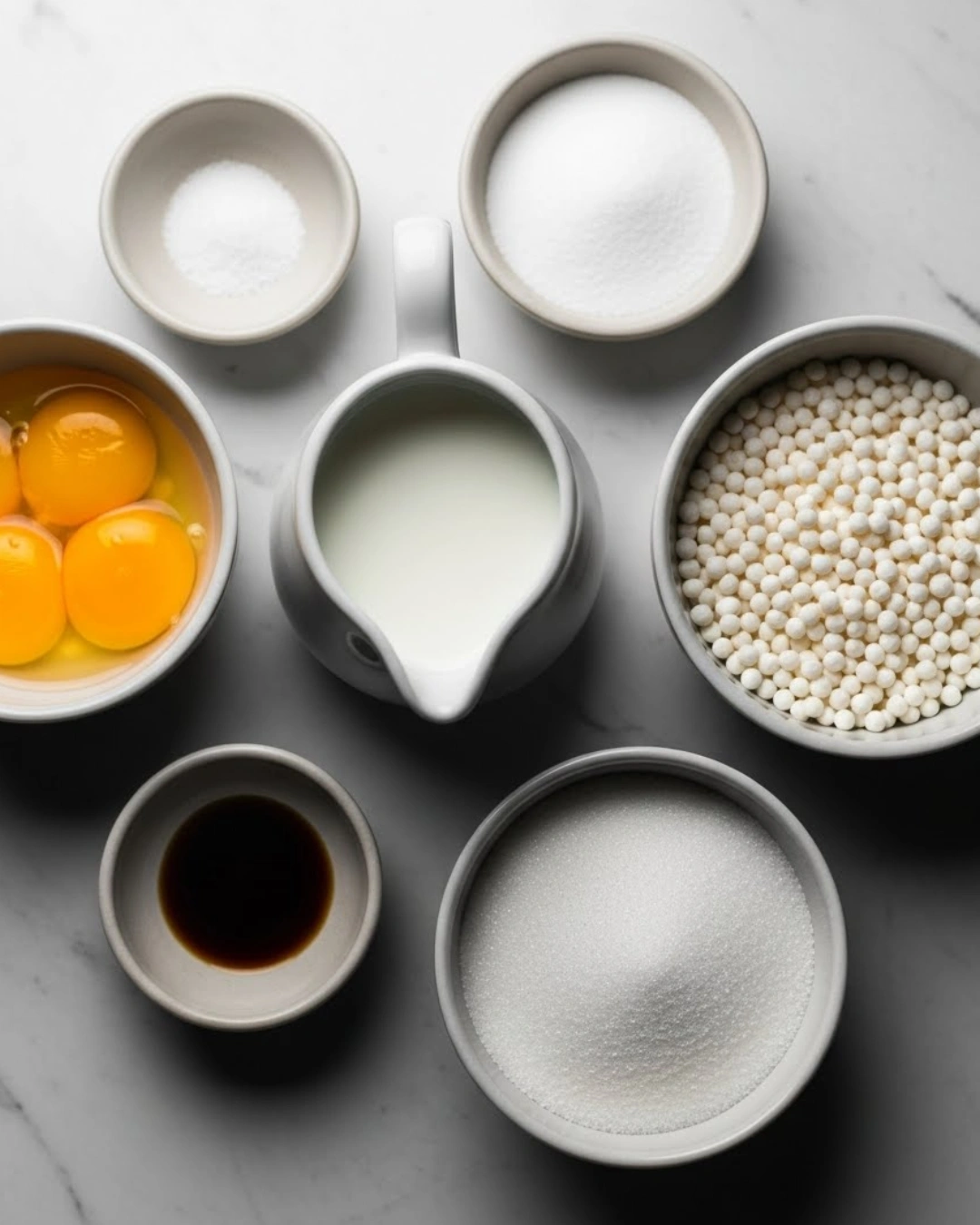
This tapioca pudding is made from ingredients you likely already have at home: whole milk, egg yolks, granulated sugar, salt, vanilla, and of course, soaked small pearl tapioca. The whipped cream and cinnamon sugar topping are optional—but if you’re going for that warm, nostalgic finish, they’re highly recommended.
Here’s what you’ll need:
| Ingredient | Amount |
|---|---|
| Milk | 2 ½ cups |
| Small Pearl Tapioca (soaked) | ½ cup |
| Salt | ¼ teaspoon |
| Sugar | ½ cup |
| Egg Yolks | 2 |
| Vanilla Extract | 1 teaspoon |
| Whipped Cream | Optional, for serving |
| Cinnamon Sugar | Optional, for topping |
You’ll also need a double boiler—or a makeshift one—to gently heat your milk and tapioca without scorching.
Making Tapioca Pudding the Right Way
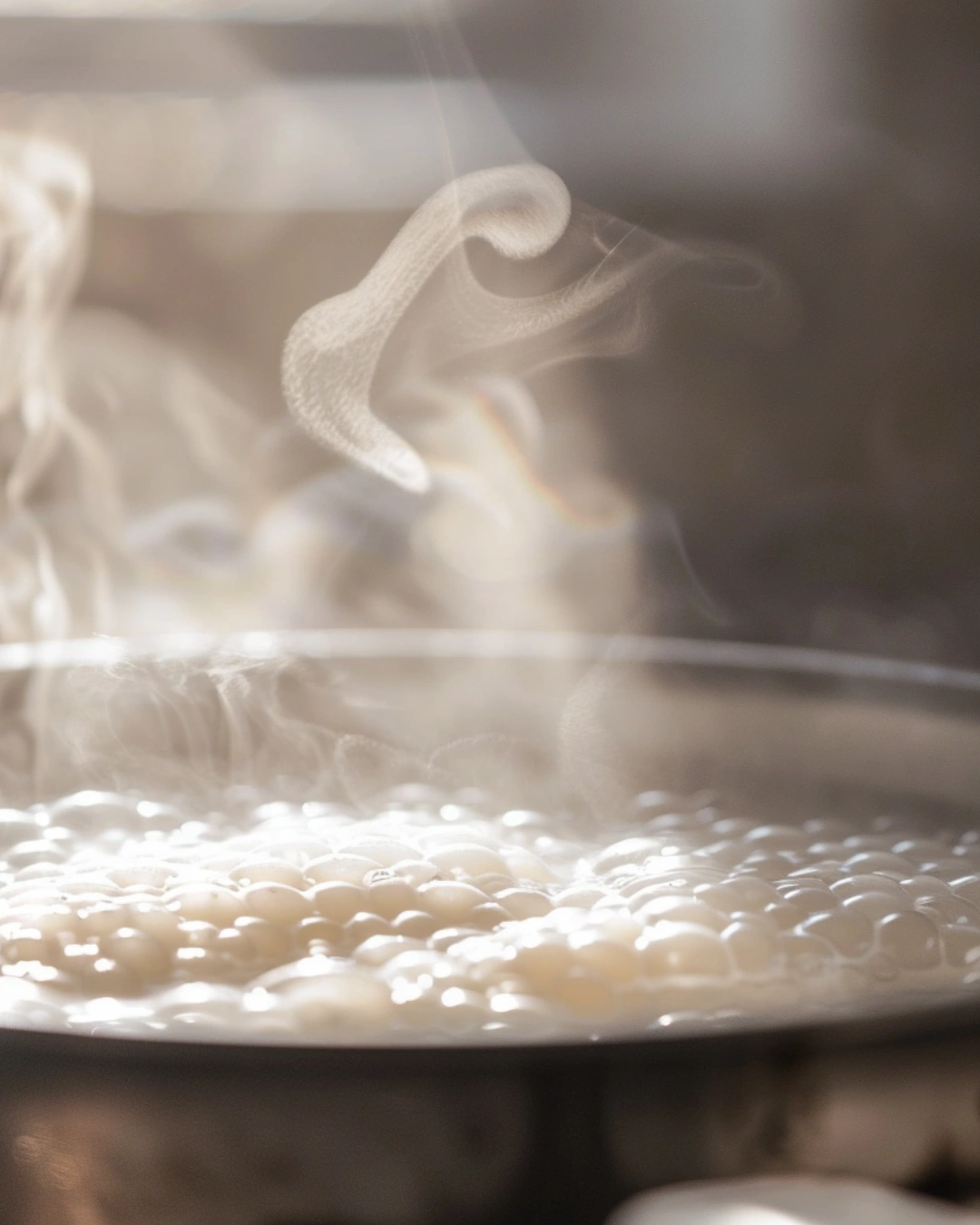
Start by heating your milk gently over a double boiler until it reaches room temperature (around 70°F). Then, stir in your drained tapioca pearls and salt. Keep the heat low and patient—just until small bubbles form at the edges, about 12–15 minutes.
Next, cover the mixture and let it cook on the lowest setting for 45 minutes to an hour. You’re looking for the pearls to swell and soften—but don’t let the milk boil. It’s a slow, meditative process that results in the creamiest pudding.
While that’s cooking, whisk your sugar and egg yolks in a bowl. Temper them by slowly adding a bit of the hot milk mixture while whisking constantly—this keeps the eggs from scrambling. Then stir everything back into the pot and cook on medium-low heat until the pudding thickens—about 15 minutes.
Serving, Storing, and Making It Your Own
How to Serve Tapioca Pudding Just Right
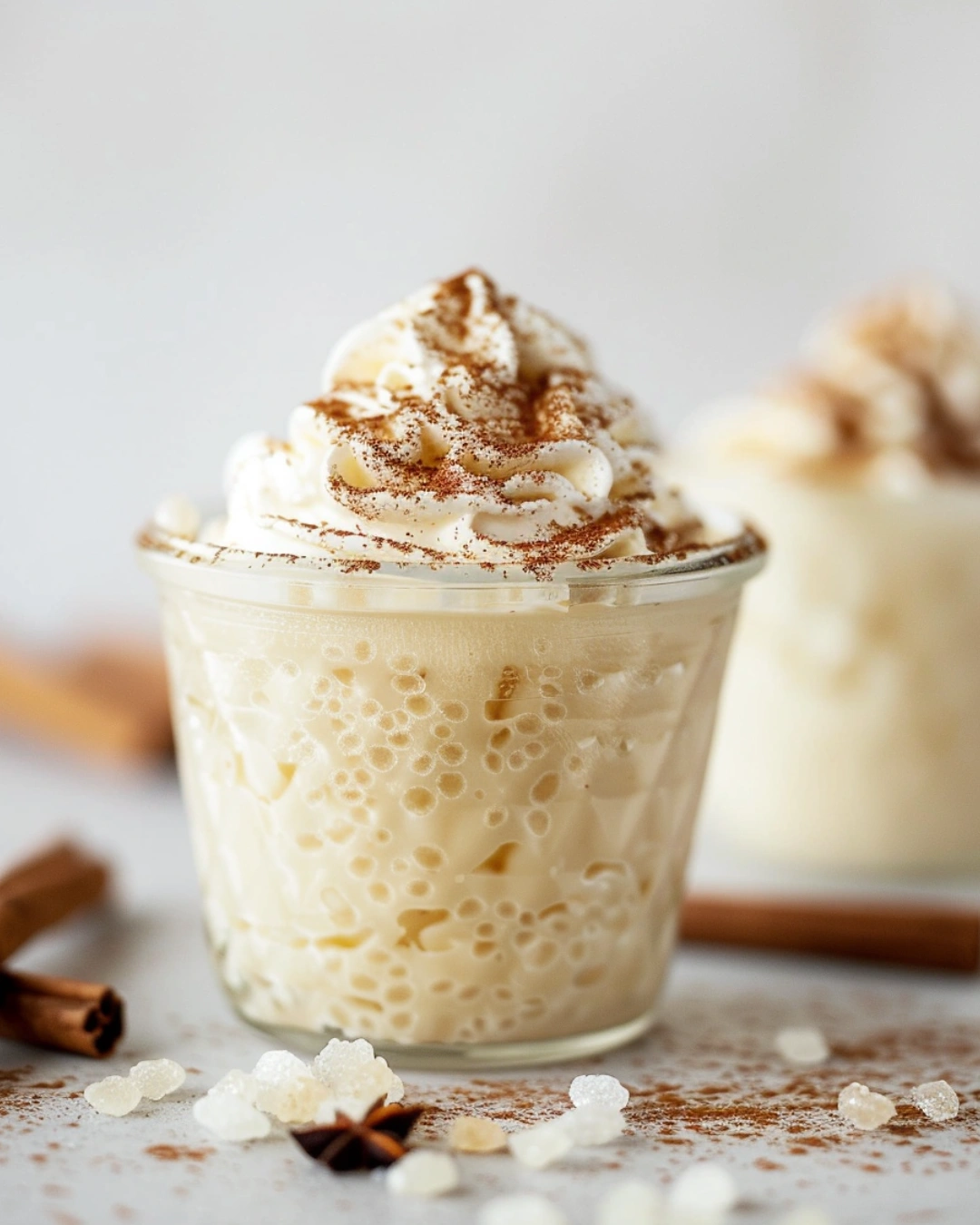
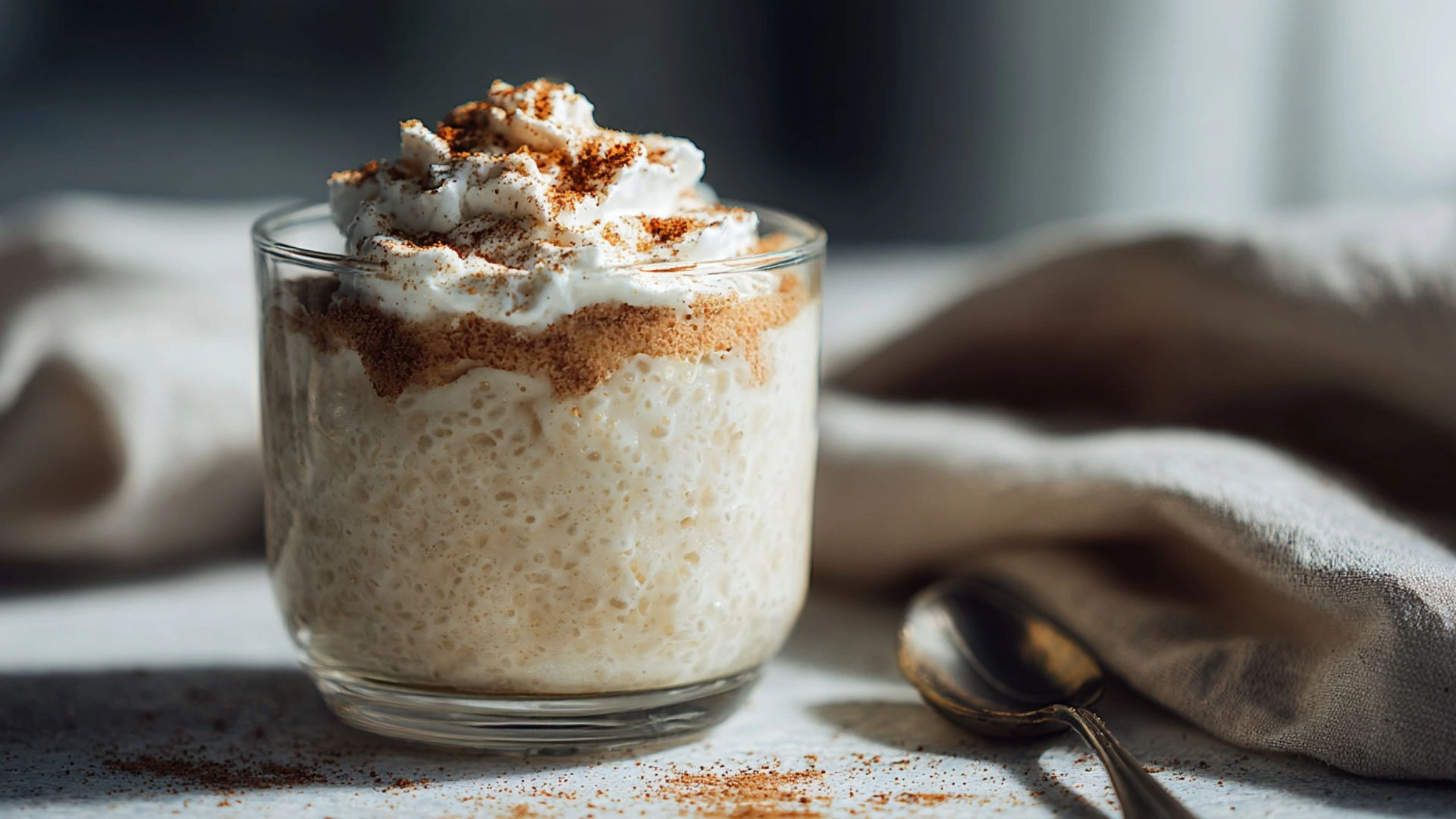
Tapioca pudding tastes best when it’s chilled, but not ice cold. After cooking, give it at least 30 minutes to rest at room temperature. This gentle pause allows the pudding to set naturally without turning stiff. Once cooled, spoon it into small jars or bowls, and top with a generous swirl of whipped cream and a sprinkle of cinnamon sugar. It’s simple, nostalgic, and full of comfort.
Prefer it warm? That’s totally fine. Some love it straight from the pot, when it’s soft and still steaming. It won’t be as thick, but the warmth adds an extra layer of coziness. If you’re serving guests, try using clear glasses, it makes the presentation feel a little more special while keeping that homey feel.
For a more textured bite, try mixing in toasted coconut, roasted pecans, or even a drizzle of maple syrup. Tapioca pudding also pairs beautifully with slow-baked fruit or poached pears, adding just the right contrast to its creamy base.
Storage Tips and Leftover Ideas
Once prepared, tapioca pudding stores wonderfully in the fridge. Keep it in an airtight container for up to four days. To prevent a skin from forming, place a piece of plastic wrap directly on the surface before sealing the container. (Though honestly, some folks love that silky top layer, it’s a personal choice.)
Planning to make it ahead? Smart move. The pudding will continue to thicken as it chills. If you prefer a looser texture later, just stir in a splash of milk before serving. It also packs well into individual jars for easy snacks or lunchbox desserts throughout the week.
Tapioca pudding may be classic, but it’s incredibly versatile. Coconut milk, a hint of cardamom, bright citrus zest, or even a touch of espresso powder can turn it into something entirely new. Once you’ve mastered the base, it becomes a blank canvas—perfect for showing off your quiet kitchen creativity.
Tips, Variations & Flavor Twists to Make It Your Own
Tips for Foolproof Tapioca Pudding Every Time
Tapioca pudding is a gentle recipe. It doesn’t need fancy tools or difficult steps, but a few key tips can make all the difference:
- Soak the pearls overnight. No shortcuts here—soaking allows them to plump up and cook evenly. Skip this step, and you risk a gritty texture.
- Don’t let the milk boil. A gentle heat keeps the milk from curdling and prevents the pearls from bursting. Use a double boiler or make one by nesting a heatproof bowl over a simmering pot.
- Temper the eggs slowly. When adding hot milk to the egg yolks, whisk constantly and add just a little at a time. This keeps the yolks smooth, not scrambled.
- Cool before chilling. Let the pudding cool at room temperature for 30 minutes before refrigerating. This helps it thicken evenly and prevents condensation on the surface.
These steps are small, but they make all the difference. The Kitchn shares great visuals if you want another step-by-step reference.
Need a texture comparison? Our cranberry custard and caramel pudding show how different methods affect final creaminess.
Easy Flavor Variations to Try
Once you’ve mastered the classic, tapioca pudding becomes your base for dozens of inspired twists. Here are some of Emma’s favorite variations:
1. Coconut Tapioca Pudding
Swap half the milk with full-fat coconut milk. Stir in a few drops of almond extract or lime zest for a tropical flavor. Finish with toasted coconut on top.
2. Chai-Spiced Tapioca
Infuse the milk with chai tea or whole spices like cinnamon, cardamom, ginger, and cloves.
3. Chocolate Tapioca
Add 2 tablespoons of cocoa powder when cooking the milk and tapioca. Finish with chopped dark chocolate stirred in just before chilling. Top with shaved chocolate and a dollop of cream for a cozy dessert that feels indulgent.
4. Orange Blossom or Rosewater
Add a teaspoon of orange blossom water or rosewater with the vanilla for a Middle Eastern-inspired twist. Serve it with pistachios and dried apricots for something delicate and unexpected.
5. Espresso or Mocha Tapioca
Stir in 1 teaspoon of instant espresso powder (or brewed espresso) during the final cooking stage. For mocha, combine with cocoa powder. It’s surprisingly sophisticated and perfect for a quiet afternoon treat.
You can also browse Epicurious for more sweet and savory tapioca dishes.
Creamy Old-Fashioned Tapioca Pudding
Ingredients
Equipment
Method
- Heat milk in a double boiler to about 70°F.
- Stir in soaked tapioca and salt; heat until edges bubble (12–15 min).
- Lower heat, cover, and cook gently until pearls swell (45–60 min).
- Whisk sugar and egg yolks in a bowl.
- Temper eggs with a few tablespoons of hot milk, whisking constantly.
- Add egg mixture to the pot. Cook until thick (about 15 min).
- Remove from heat, stir in vanilla, and let cool.
- Chill for 30 minutes or longer. Top and serve.
Nutrition
Notes
From your stove to our hearts
share your delicious take!Frequently Asked Questions About Tapioca Pudding
What is tapioca pudding made of?
Tapioca pudding is made from small pearl tapioca (which comes from the cassava root), milk, egg yolks, sugar, and vanilla. The pearls are soaked overnight, then gently cooked in milk until they swell and soften. The result is a creamy, lightly sweetened dessert with a unique, chewy texture.
Is tapioca pudding healthy to eat?
Tapioca pudding can be a comforting treat, but it’s best enjoyed in moderation. While tapioca itself is low in fat and sodium, it’s also high in carbs and contains sugar and egg yolks. For a lighter version, you can try reducing the sugar or using a dairy-free milk like almond or coconut. You’ll still get that rich texture, with a bit less indulgence.
What are the little balls in tapioca pudding made of?
The soft, chewy balls in tapioca pudding are tapioca pearls, made from starch extracted from the cassava plant. When soaked and simmered, these pearls become tender and translucent, giving tapioca pudding its signature texture.
Is tapioca healthier than rice pudding?
Tapioca and rice pudding are similar in calories and richness, but they differ in texture and base ingredients. Tapioca comes from cassava root, while rice pudding uses grains of white rice. Neither is necessarily healthier than the other, it depends on the recipe and your personal dietary needs. Tapioca is gluten-free, which makes it a good option for those with sensitivities.
Conclusion
Tapioca pudding might be a traditional dessert, but it’s anything but boring. Its soft texture, comforting flavor, and gentle preparation make it one of those rare recipes that’s both easy and meaningful. With just a handful of ingredients milk, small pearl tapioca, egg yolks, and sugar you create something that feels rich with history yet fresh in your own kitchen.
You can serve it warm on a quiet night, chill it for a cool and creamy treat, or dress it up for guests with whipped cream and cinnamon sugar. Once you master the base, the variations are endless. From coconut or chai to espresso or orange zest, there’s room to make it your own. And if you’re looking for more cozy, slow-cooked inspiration, you’ll find it right here at Millow Dishes, where every recipe is crafted with care. So grab your spoon, and enjoy a dessert that’s as soothing as it is satisfying.