
If you’re craving a dinner that’s hearty, quick, and doesn’t require turning on the oven, this shrimp and rice skillet meal checks every box. Made in just one skillet and under 30 minutes, this dish brings Cajun flair, juicy shrimp, and fluffy rice together in a way that’s satisfying yet simple.
It’s the kind of weeknight recipe you’ll return to again and again. In this post, I’ll walk you through my personal story with this Shrimp and Rice Skillet, how to avoid common mistakes, and all the tips for making your skillet shrimp and rice perfect every single time.
Where It All Started-My Love for Shrimp and Rice Skillet
A dinner that saved my Tuesday night
I first made this shrimp and rice skillet on a Tuesday when I was too tired to turn on the oven. I had some frozen shrimp, leftover chicken broth, and a craving for something warm. The idea of a no-bake shrimp skillet felt like a gamble—but it turned out to be one of the best dinners I’d cooked in weeks. The rice soaked up every bit of spice, the shrimp stayed juicy, and the whole dish came together faster than I expected.
Since then, it’s become one of those meals I return to when life feels full. It reminds me that good food doesn’t need to be fussy or time-consuming to be deeply comforting. On nights when I don’t want to think too hard but still want a dish that feels special, this one skillet wonder has my back.
You can easily change things up with what you have sometimes I throw in green bell peppers or a handful of corn. The bones of the recipe stay strong: flavorful shrimp, well-seasoned rice, and a no-bake promise that delivers every time.
Why no-bake makes all the difference
Not using the oven is more than just a shortcut, it keeps the kitchen cool and cleanup minimal. Skillet dinners like this let every ingredient shine without overcooking. Shrimp, especially, can turn rubbery fast, and this Shrimp and Rice Skillet method keeps it tender and flavorful.
Plus, there’s something empowering about cooking everything in one pan. It feels a little like magic when the rice absorbs the tomatoes, spices, and broth, transforming into a flavorful base that hugs the shrimp just right. If you’re short on time or energy, this technique makes a world of difference.
Check out other comforting skillet meals like my Creamy Tuscan Chicken or this cozy Sausage Rice Skillet that follows the same no-bake magic.
Ingredients & Cooking Tips of Shrimp and Rice Skillet
Key ingredients for bold, balanced flavor
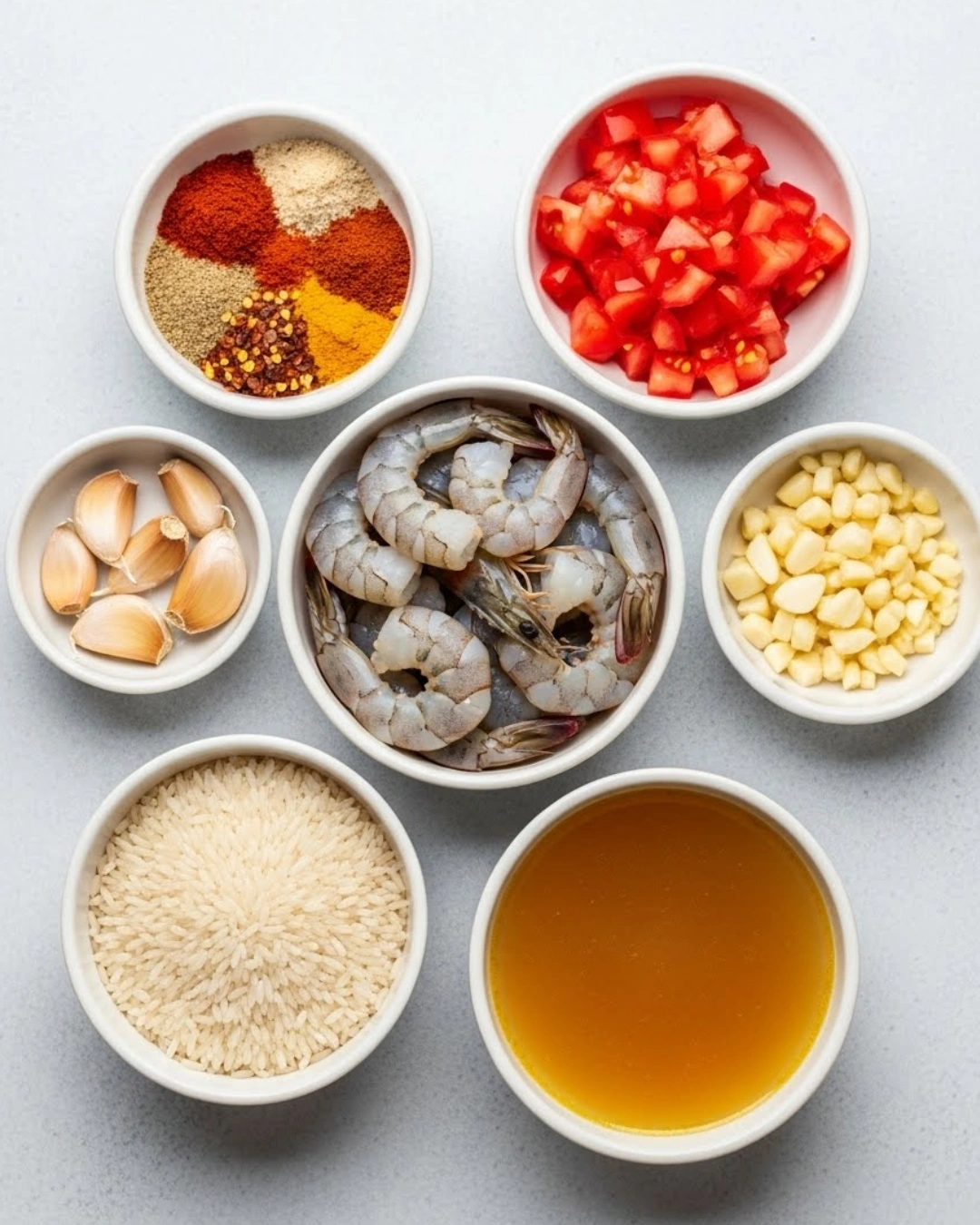
One of the best things about this shrimp and rice skillet dinner is how simple the ingredients are most of them are pantry staples, and the few fresh ones bring all the vibrancy you need. Here’s your core lineup for four servings:
Main Ingredients
- 1 pound shrimp (peeled, deveined, tails on)
- 4 tablespoons Cajun seasoning (divided)
- 3 tablespoons olive oil (or unsalted butter)
- 1 large onion, chopped
- 1½ cups long grain white rice (uncooked)
- 4 garlic cloves, minced
- 2 cups chicken broth
- 1 (14.5-ounce) can diced tomatoes
- 2 tablespoons tomato paste
- Optional garnish: lemon slices and fresh parsley
Optional Add-ins
- ½ cup chopped bell peppers
- ½ cup corn or black beans
- Sliced green onions or celery for extra crunch
The base of this Shrimp and Rice Skillet is rich with tomato, broth, and spice. The rice cooks right in that liquid, absorbing all the flavor as it simmers. The shrimp, quick-cooked and then rested, is the star. You’ll love how balanced the whole skillet feels—hearty but not heavy, spicy but not overwhelming.
For a similar Southern-style, stove-top comfort dish, this Smothered Chicken and Rice follows the same no-oven method and delivers on deep flavor with every bite.
How to cook shrimp the right way every time
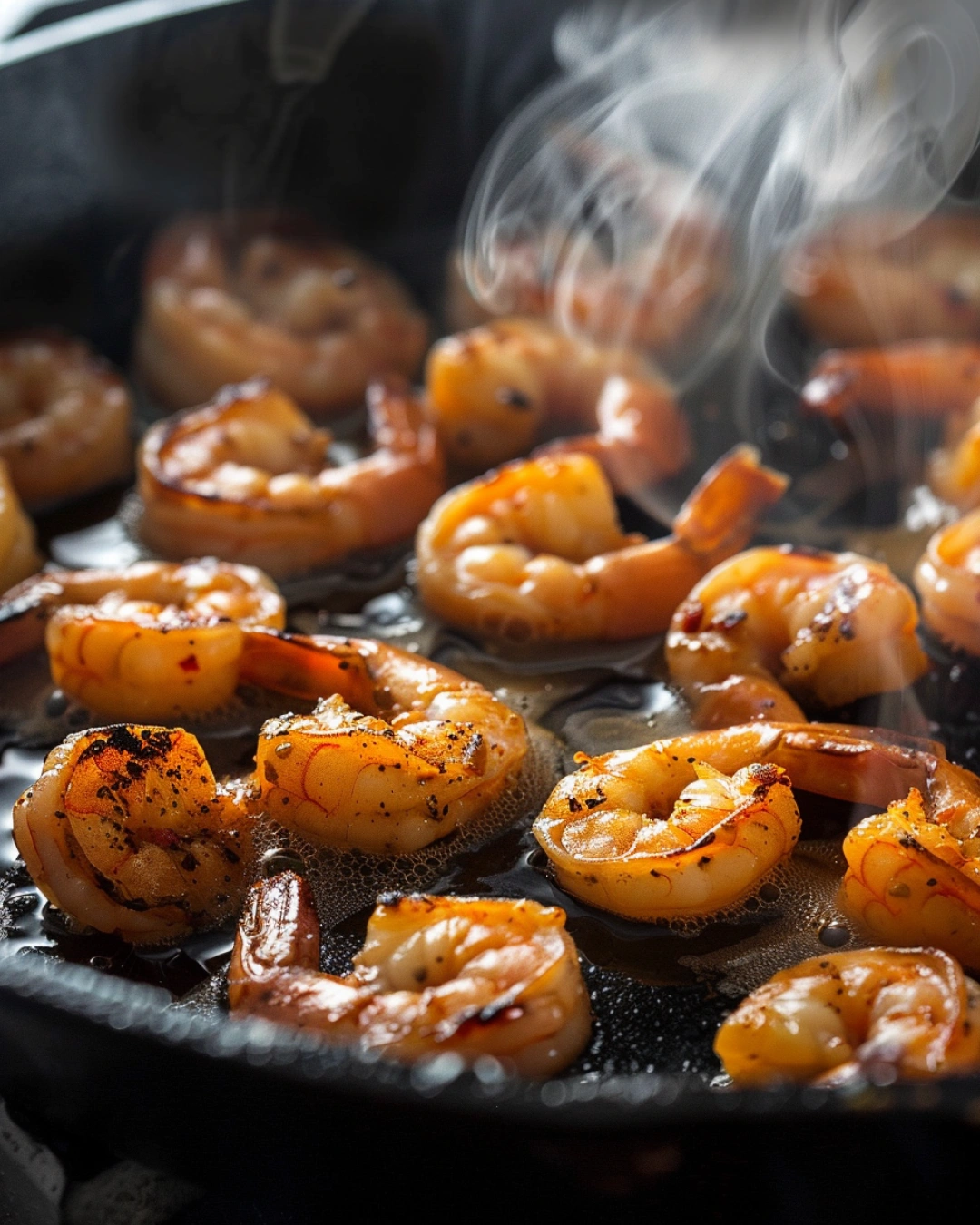
Shrimp is fast, and that’s both its gift and its challenge. If you’ve ever wondered how restaurants keep shrimp so tender, the answer is: don’t overcook it. In this Shrimp and Rice Skillet recipe, the trick is to season and sear the shrimp first, remove it from the heat, and then return it just at the end to warm through.
Follow these tips for perfect shrimp:
- Dry it with paper towels so it sears, not steams.
- Use hot oil and cook for 2 minutes per side, no longer.
- Set it aside while the rice finishes cooking.
- Return it in the last 1–2 minutes with the skillet covered and the heat off.
This exact method is used in flavorful recipes like Cowboy Butter Shrimp Skewers, where shrimp gets a quick, bold sear before being pulled off the heat.
Searing shrimp quickly over medium-high heat for just 2 minutes per side is enough. Any longer, and you risk ending up with a rubbery texture. For more tips on technique, this shrimp cooking guide from Bon Appétit explains why timing and heat level make all the difference.
Bringing It All Together, Cooking in One Skillet
Step-by-step: how to make Shrimp and Rice Skillet in 30 minutes
Making this shrimp and rice skillet meal is as satisfying as eating it. Every step builds flavor, and it all happens in just one pan. Here’s how to do it right:
1. Season the shrimp:
Pat the shrimp dry with paper towels. Toss them in a bowl with 2 tablespoons of Cajun seasoning and 1 tablespoon of olive oil. Set aside.
2. Sear the shrimp:
Heat 1 tablespoon of oil in a medium skillet over medium-high heat. Add the shrimp and cook for 2 minutes on each side. Don’t stir too much—you want a nice sear. Remove the shrimp from the skillet and set aside.
3. Sauté the aromatics:
Add the last tablespoon of oil to the same skillet. Toss in the chopped onions and cook for about 3–4 minutes until they soften. Stir in garlic, remaining Cajun seasoning, and rice. Let it toast for one minute, stirring constantly so the garlic doesn’t burn.
4. Simmer the rice:
Pour in the chicken broth, diced tomatoes (with their juices), and tomato paste. Stir well to combine. Bring to a low boil, then reduce the heat to a simmer. Cover the skillet and cook for 20 minutes. The rice will absorb the liquid and become tender and fluffy.
5. Finish with shrimp:
Once the rice is done, turn off the heat and gently nestle the shrimp back into the pan. Cover and let it sit for 1–2 minutes to warm the shrimp without overcooking it.
This method keeps everything flavorful without needing an oven, which makes it ideal for warmer months or busy weeknights. You can also stir in extras like bell peppers or corn toward the end of the simmering process if you’d like to add color and texture.
You’ll notice this layered cooking style is similar to the approach used in Creamy Cajun Chicken Pasta, where every ingredient gets its moment to shine before it all comes together.
Why the layering matters
The beauty of this dish lies in the way each layer builds on the last. Searing the shrimp first locks in flavor. Toasting the rice boosts nuttiness. Letting the tomatoes simmer with garlic and broth creates a rich, seasoned base. It’s not just a shortcut dinner, it’s a smart one.
This Shrimp and Rice Skillet is perfect for casual dinners but tasty enough for guests, much like the popular Greek Chicken Rice Bowls, which also layer ingredients in a way that feels intentional and satisfying.
Serving, Storing & Reheating of Shrimp and Rice Skillet
How to serve Shrimp and Rice Skillet
This shrimp and rice skillet dinner is full of spice, flavor, and heartiness which makes it super satisfying on its own. But adding a light side or topping brings even more balance and visual appeal to the plate.
Here are a few simple ideas that work every time:
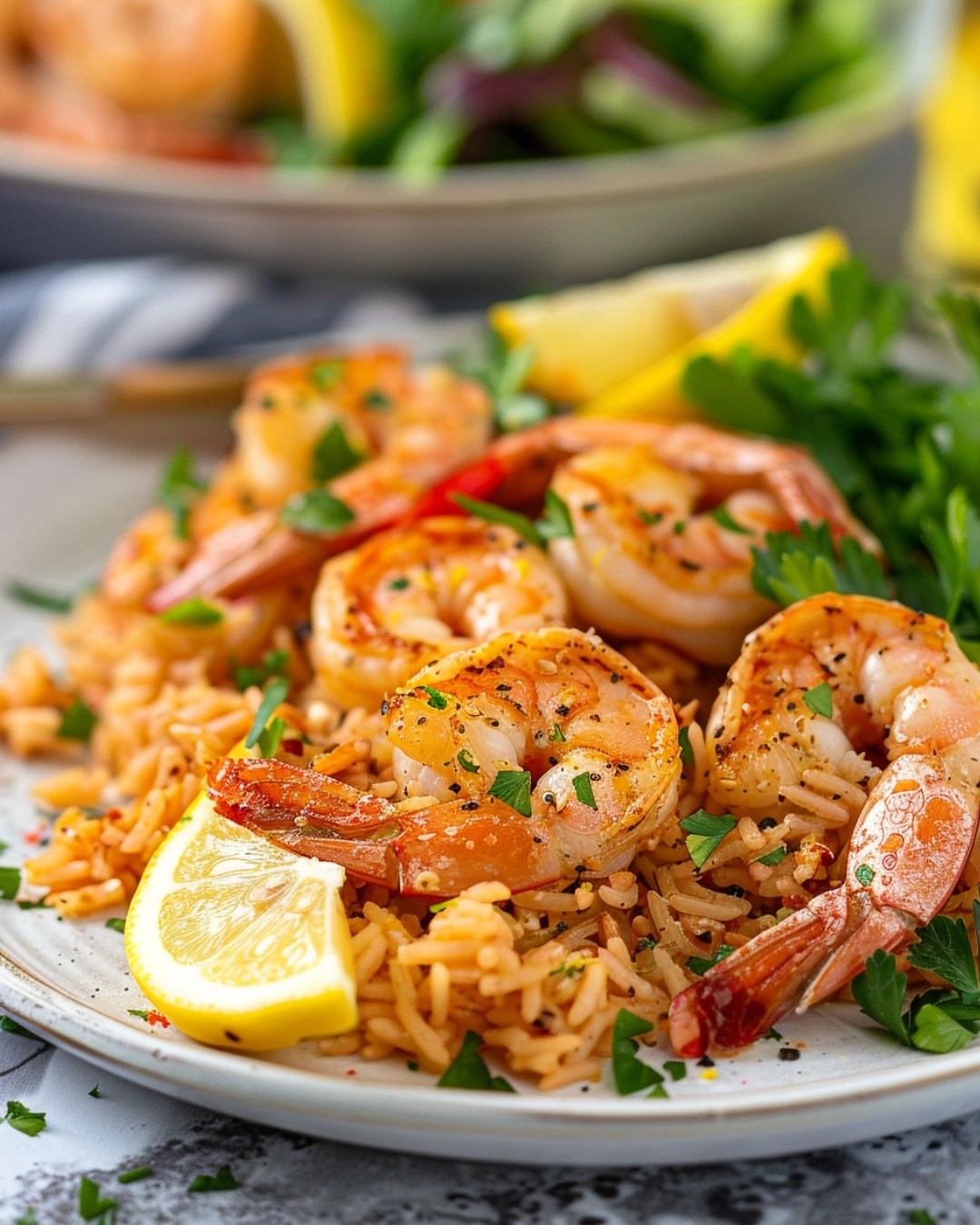
- Lemon wedges: A fresh squeeze of lemon right before serving cuts through the richness and wakes up the flavors.
- Chopped herbs: Sprinkle with parsley, cilantro, or green onions for freshness and a pop of color.
- Crisp salad or slaw: Anything cool and crunchy pairs beautifully with the warm, soft rice and shrimp. A simple cucumber salad or vinegar-based slaw does the job perfectly.
- Garlic toast: Serve it up with crusty garlic bread or toast points to scoop up every last bit of seasoned rice.
Smart storing & easy reheating
This Shrimp and Rice Skillet meal is a strong contender for leftovers—whether you’re planning ahead or saving for tomorrow’s lunch.
To refrigerate:
Cool the dish completely, then store in an airtight container for up to 5 days. The rice continues to soak up flavor, so it’s even tastier the next day.
To freeze:
Let cool completely before transferring to a freezer-safe container. Freeze for up to 1 month. Thaw in the refrigerator before reheating.
Reheat like this:
- In the microwave, cover the dish and add a tablespoon of broth or water to prevent drying. Heat in 60-second bursts.
- In a skillet, add a little water, cover with a lid, and reheat gently over medium-low heat. This protects both the rice and the shrimp from overcooking.
Avoid overheating, especially with shrimp, it only needs a gentle warm-up. This is one of those rare recipes that holds up beautifully the next day without losing its bold, satisfying texture.
Not only is this dish packed with flavor, it’s also rich in lean protein thanks to the shrimp. If you’re curious about shrimp’s full nutritional profile including its vitamin B12, selenium, and omega-3 content, this detailed overview by Healthline breaks it all down.


Cajun Shrimp and Rice Skillet
Ingredients
Equipment
Method
- Pat shrimp dry and toss with 2 tablespoons Cajun seasoning and 1 tablespoon oil.
- Sear shrimp in a hot skillet for 2 minutes per side. Remove and set aside.
- Add oil and onions to the skillet. Cook 3–4 minutes until soft.
- Stir in garlic, remaining seasoning, and rice. Toast for 1 minute.
- Pour in broth, diced tomatoes, and tomato paste. Stir and bring to a boil.
- Reduce heat, cover, and simmer for 20 minutes.
- Turn off heat, return shrimp to the pan, and cover for 1–2 minutes.
- Garnish with lemon and parsley before serving.
Nutrition
Notes
From your stove to our hearts
share your delicious take!FAQs About Shrimp and Rice Skillet
How long should shrimp be cooked in the oven?
Shrimp should be baked in a preheated oven at 400°F for about 8–10 minutes, depending on size. You’ll know they’re done when they turn opaque and curl into a “C” shape. However, for this shrimp and rice skillet recipe, cooking shrimp directly in a skillet is faster and gives you more control to avoid overcooking.
How do Chinese restaurants get their shrimp so tender?
They often use a method called “velveting,” where shrimp are marinated in a mix of egg white, cornstarch, and rice wine, then briefly poached or stir-fried. In this Shrimp and Rice Skillet, we achieve similar tenderness by cooking shrimp quickly and returning them to the skillet at the very end—no need for complicated prep.
What are some common shrimp rice mistakes?
The biggest ones include overcooking shrimp, not rinsing the rice, and skipping seasoning steps. Dry rice or chewy shrimp usually mean either the rice wasn’t cooked in enough liquid or the shrimp stayed on the heat too long. Also, forgetting to rinse rice can lead to excess starch and gummy texture instead of fluffy grains.
Is it okay to cook shrimp in a cast iron skillet?
Yes, cast iron is a fantastic option for this recipe. It holds heat well and gives a great sear on the shrimp. Just be sure to add enough oil so the shrimp doesn’t stick, and don’t overcook—the high heat of cast iron means things move quickly.
Conclusion: A Skillet Dish That Just Works
This shrimp and rice skillet meal has everything you want in a weeknight dinner speed, flavor, and minimal cleanup. It’s a flexible, feel-good dish that adapts to your ingredients and schedule. Whether you’re looking to spice up your dinner routine or impress guests with something deceptively simple, this recipe delivers.
From the perfectly seasoned shrimp to the fluffy, Cajun-simmered rice, every bite feels hearty and homey. And the fact that it all comes together in one skillet, without using the oven? That’s the kind of recipe that earns a regular spot in your rotation.