

Olive Oil Ice Cream may sound unexpected at first, yet this elegant dessert has become a favorite in artisan gelato shops and modern kitchens alike. By blending a classic custard base with fruity extra virgin olive oil, Olive Oil Ice Cream delivers a silky texture and subtle depth that feels both refined and comforting.
The richness of heavy cream and egg yolks creates a smooth foundation, while the olive oil adds delicate notes of green apple and almond. As a result, every spoonful tastes balanced rather than overpowering.
Rooted in Italian flavor traditions, this dessert celebrates simplicity and high-quality ingredients. In this article, you’ll discover why Olive Oil Ice Cream works so beautifully, how it connects to Italian culture, and how you can make it at home in just 20 minutes. If you love thoughtful desserts with character, this recipe belongs in your kitchen.
The Story & Introduction to Olive Oil Ice Cream
A Personal Discovery in Every Spoonful
The first time I tasted Olive Oil Ice Cream, I didn’t quite know what to expect. Olive oil in dessert sounded unusual, almost bold. Still, I trusted the recommendation and took a small spoonful. Immediately, I noticed how smooth and velvety it felt. Then a delicate fruity note unfolded, subtle yet distinctive. That moment completely changed how I thought about flavor pairings.
Later, I decided to make Olive Oil Ice Cream in my own kitchen. As I warmed the milk and whisked the egg yolks, the process felt familiar and comforting. The custard base came together just like any classic ice cream. However, when I whisked in the fruity olive oil, the mixture transformed. It looked glossy and luxurious, yet it remained simple.
Once churned, the Olive Oil Ice Cream developed a soft, creamy texture with a refined finish. It didn’t taste savory. Instead, it tasted balanced. The olive oil enhanced the dairy without overpowering it. Since then, Olive Oil Ice Cream has become one of my favorite desserts to serve when I want something quietly elegant yet approachable.
If you enjoy elegant custard-style desserts, you might also love this silky Panna Cotta, which shares a similar creamy texture.
The Flavor Balance That Makes It Work
Olive oil and ice cream may seem unexpected together, yet they complement each other beautifully. Ice cream relies on fat for smoothness and richness. Olive oil adds monounsaturated fat, which contributes to a silky mouthfeel and soft texture.
Fruity extra virgin olive oil often carries hints of green apple, almond, or fresh herbs. When blended into a sweet custard base, those notes create gentle contrast. The milk and heavy cream soften the brightness of the oil, while the sugar balances its natural bitterness.
Egg yolks play an important role as well. They thicken the custard and create structure. When you whisk the olive oil into the strained custard, it emulsifies into the mixture. As a result, the finished Olive Oil Ice Cream tastes unified and smooth rather than separated.
The final flavor feels layered and sophisticated without becoming complicated. That harmony explains why this dessert continues to gain attention in both home kitchens and modern restaurants.
High-quality extra virgin olive oil carries delicate fruity and slightly peppery notes, which play a key role in this dessert. According to the International Olive Council, premium olive oil contains natural aromatic compounds that contribute to its complexity and smooth finish.
For another refined chocolate option, these rich Raspberry Chocolate Mousse Cups make a beautiful pairing for dinner parties.
Olive Oil Ice Cream in Italian Tradition
The Italian Approach to Sweet and Savory Balance
In Italy, olive oil holds deep cultural significance. Families use it daily, and regions take pride in their local varieties. Because olive oil plays such an important role in Italian cooking, incorporating it into dessert feels natural rather than experimental.
Drizzling olive oil over gelato reflects a broader Italian philosophy of balance. Sweet dishes often benefit from a subtle savory or salty contrast. Just as sea salt enhances caramel, olive oil deepens the flavor of cream-based gelato. It adds richness while also sharpening the overall profile.
High-quality extra virgin olive oil contains fruity and slightly peppery notes. When paired with a mild dairy base, those notes bring dimension. Instead of masking sweetness, olive oil frames it. That thoughtful contrast highlights ingredient quality, which remains central to Italian cuisine.
If you appreciate classic Italian-inspired sweets, this smooth Tiramisu Without Raw Eggs offers another creamy, balanced dessert.
Naming and Gelato Traditions
In Italy, you will often see this dessert labeled as “gelato all’olio d’oliva.” While English speakers refer to it as Olive Oil Ice Cream, the texture frequently resembles gelato more than traditional American ice cream.
Gelato typically contains less air, which gives it a denser and silkier texture. It may also use slightly more milk than cream. However, when you prepare Olive Oil Ice Cream at home with whole milk, heavy cream, and egg yolks, you create a custard-style base that bridges both traditions.
Whether served as olive oil gelato or Olive Oil Ice Cream, the concept remains consistent. A creamy dairy base blends with premium olive oil to create a dessert that feels rooted in tradition yet relevant in modern kitchens.
Gelato typically contains less air than traditional American ice cream, which gives it a denser and silkier texture. As explained by Serious Eats, this lower air incorporation changes both mouthfeel and flavor intensity.
For a fruit-forward alternative, the delicate Raspberry Angel Food Cake brings lightness and elegance to the table.
Making Olive Oil Ice Cream at Home
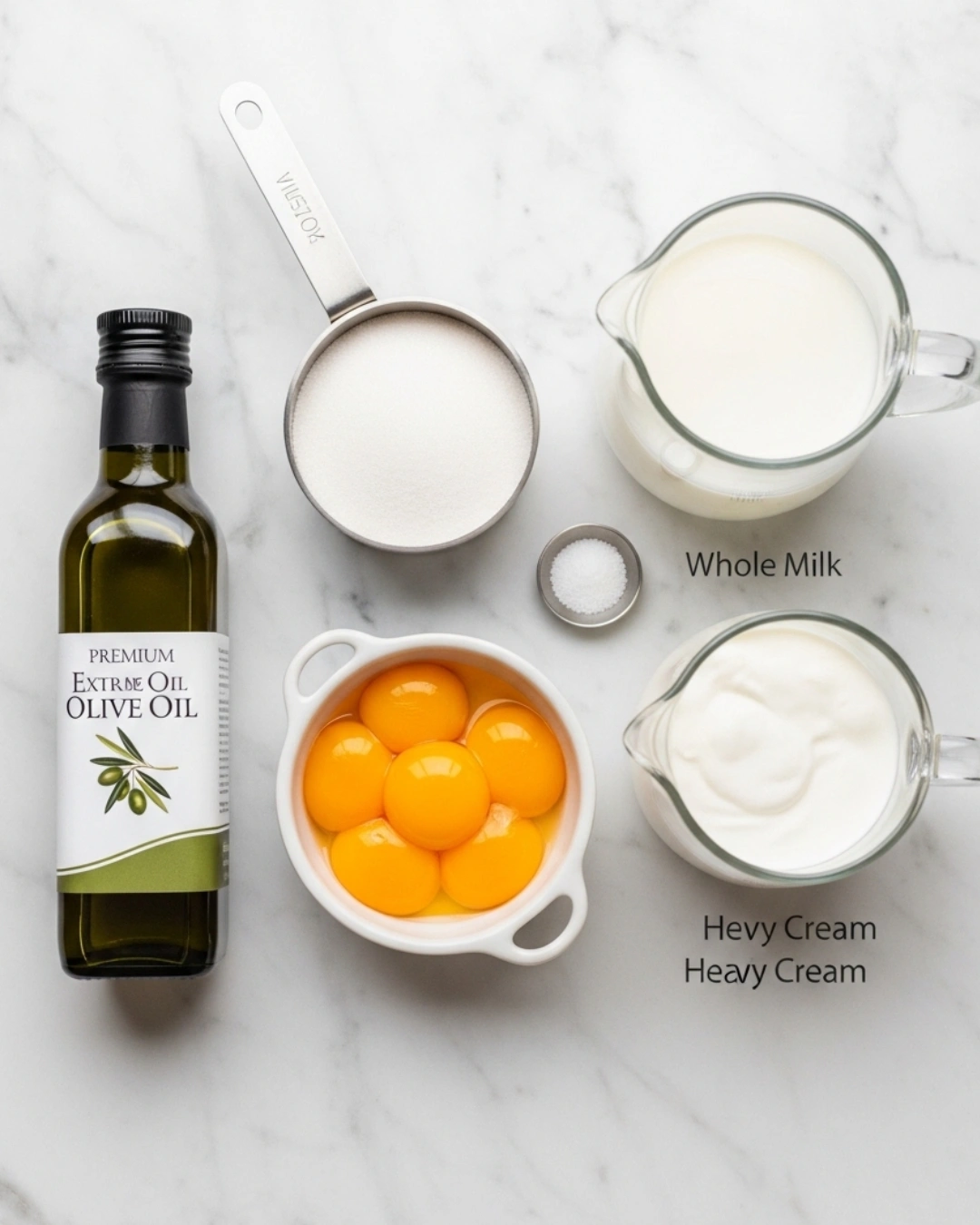
Ingredients That Create a Creamy Texture
Smooth Olive Oil Ice Cream depends on understanding each ingredient’s purpose.
| Ingredient | Function |
|---|---|
| Whole Milk | Forms the smooth foundation |
| Heavy Cream | Adds body and richness |
| Egg Yolks | Thicken and stabilize the custard |
| Sugar | Sweetens and improves texture |
| Fruity Olive Oil | Provides silky mouthfeel and depth |
Choose a fresh, fruity olive oil. Since Olive Oil Ice Cream highlights this ingredient, quality directly affects flavor.
If you want to compare ingredient nutrition values, you can reference the USDA FoodData Central database, which provides standardized data for milk, cream, eggs, and olive oil.
The Custard Process from Start to Finish
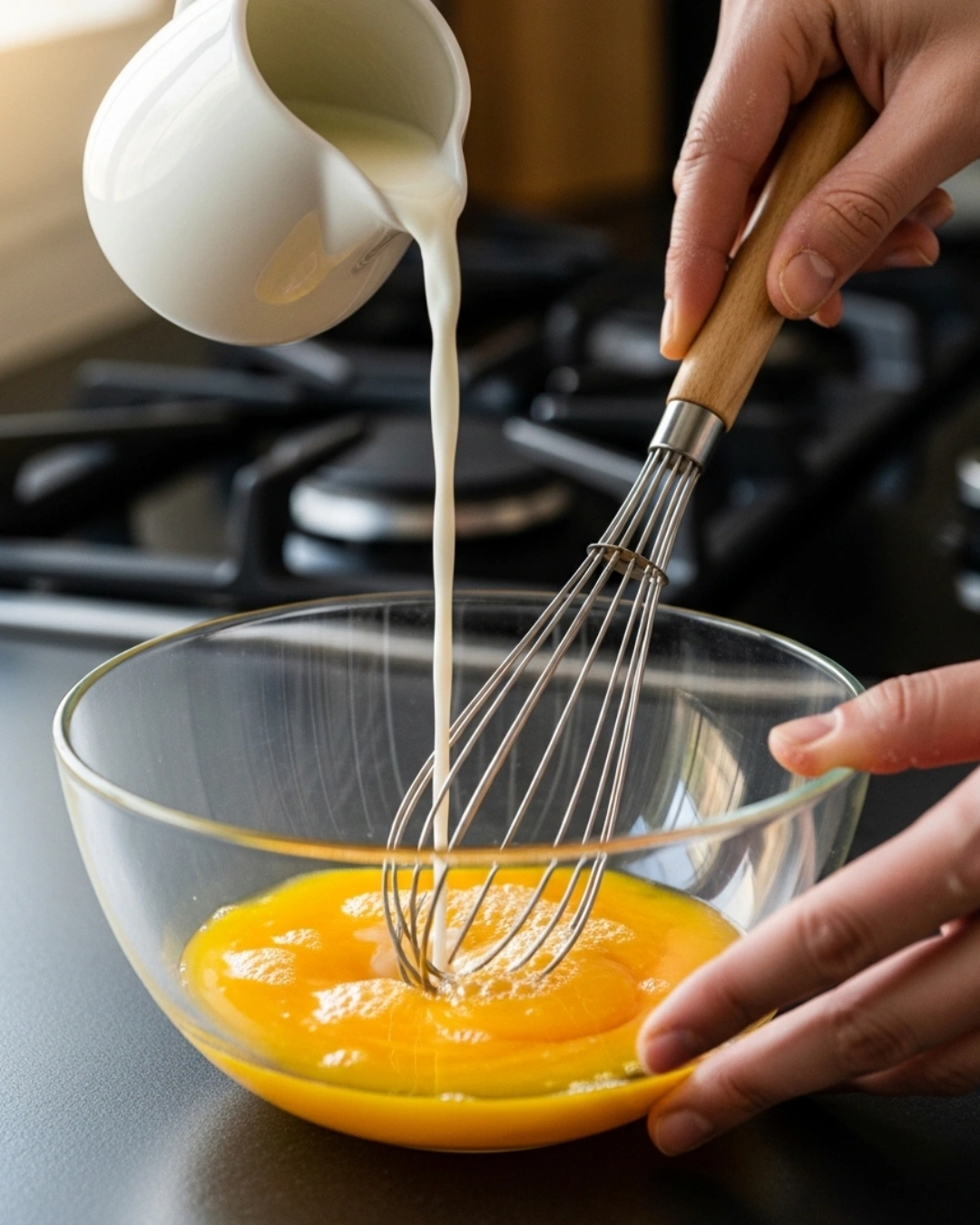
Begin by warming the milk, sugar, and salt until steaming but not boiling. Meanwhile, whisk the egg yolks in a separate bowl. Slowly pour the warm milk into the yolks while whisking constantly. This technique tempers the eggs and prevents curdling.
Return the mixture to the saucepan and cook over medium heat, stirring continuously. Once the custard thickens enough to coat the back of a spatula, strain it into the heavy cream. Straining guarantees a silky texture.
Next, whisk in the olive oil until fully incorporated. Cool the mixture over an ice bath before churning. Process in your ice cream maker according to the manufacturer’s instructions.
Serve immediately for a soft texture or freeze until firm. The finished Olive Oil Ice Cream will feel creamy, glossy, and delicately flavored.
A Refined Yet Approachable Dessert
Elegant Texture Without Complexity
Olive Oil Ice Cream often appears on restaurant menus because it feels refined. However, its elegance comes from balance rather than complexity. The custard base remains classic. The olive oil adds a subtle layer of flavor that feels thoughtful.
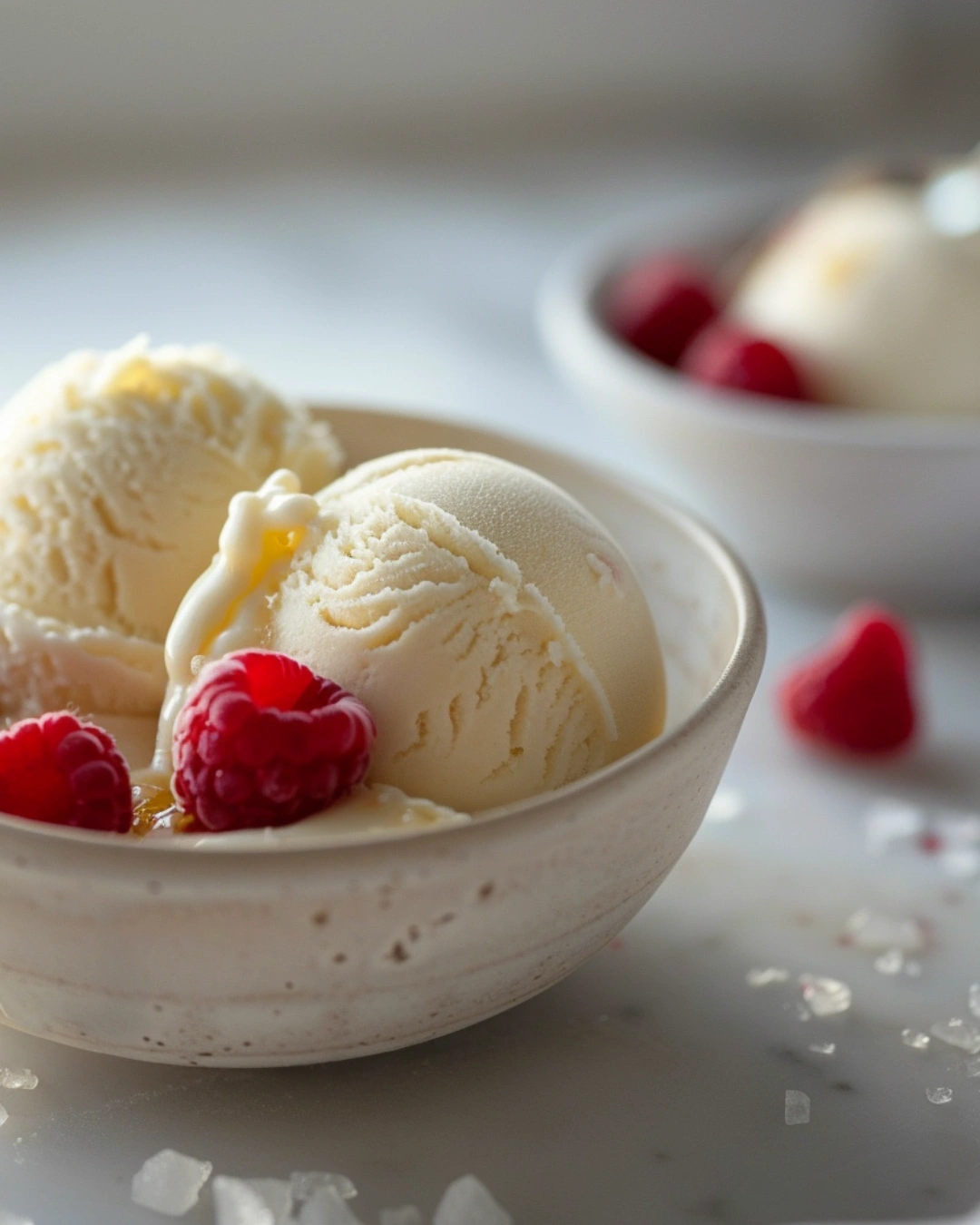
Its pale color and glossy surface create a minimalist presentation. Yet the texture feels rich and smooth. Despite its upscale reputation, the recipe uses accessible ingredients and traditional techniques.
That combination makes Olive Oil Ice Cream ideal for home cooks who want something distinctive without unnecessary complication.
Serving Ideas and Flavor Pairings
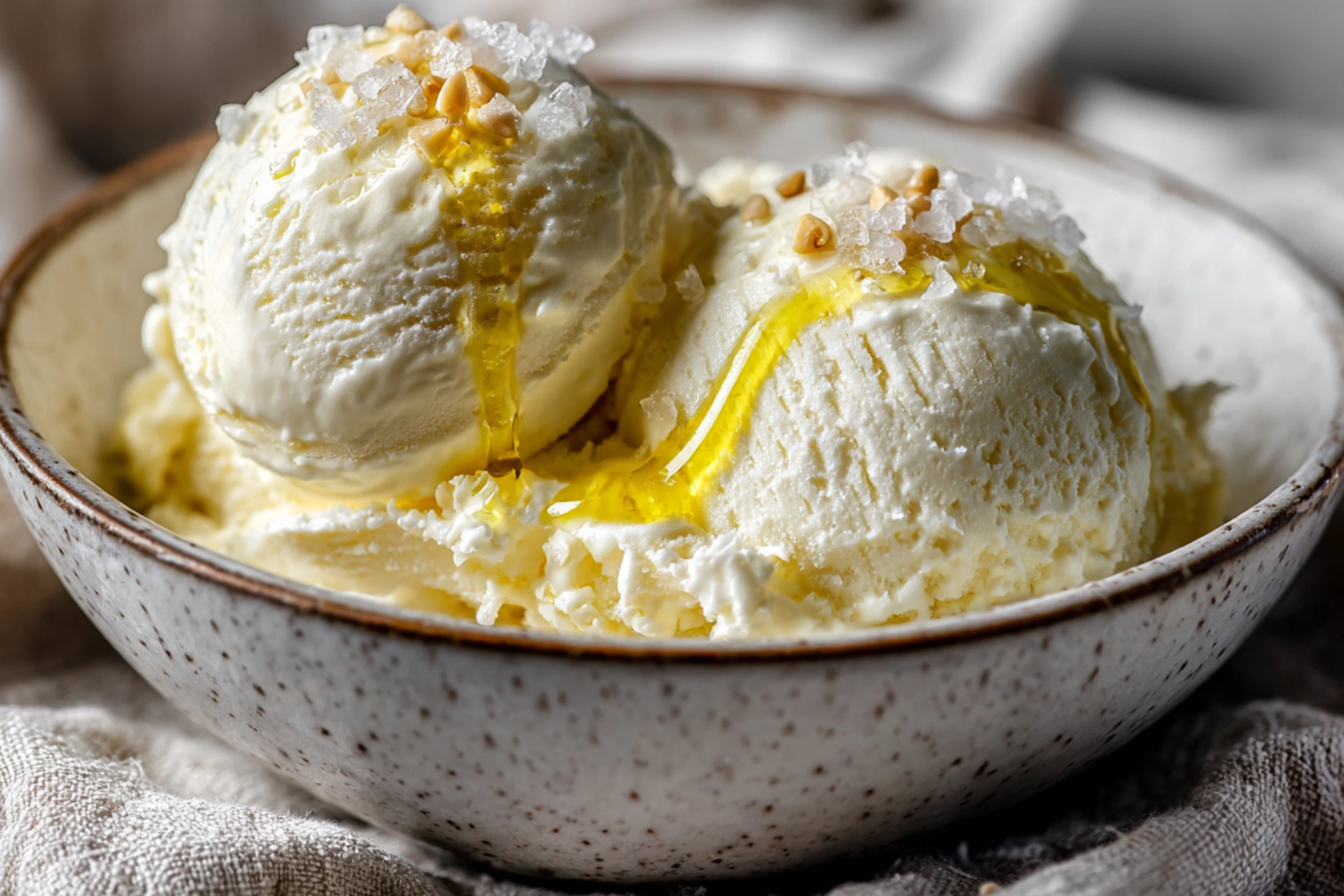
A light sprinkle of flaky sea salt highlights the sweetness and sharpens flavor. Citrus zest, especially lemon, brightens the fruity notes of the olive oil.
Fresh berries introduce acidity and vibrant color. A drizzle of honey deepens sweetness while complementing the floral qualities of the oil. For added texture, serve alongside almond biscotti or thin butter cookies.
These pairings enhance the natural elegance of Olive Oil Ice Cream while keeping the presentation simple and inviting.

Olive Oil Ice Cream
Ingredients
Equipment
Method
- Combine the milk, sugar, and salt in a medium saucepan and warm over medium heat until steaming. Do not boil.
- Pour the heavy cream into a large bowl and set a strainer over the top.
- In a separate bowl, whisk the egg yolks. Slowly pour the warm milk mixture into the egg yolks, whisking constantly to temper.
- Return the egg mixture to the saucepan and cook over medium heat, stirring constantly, until thick enough to coat a spatula.
- Pour the custard through the strainer into the heavy cream.
- Whisk to combine, then add the olive oil and whisk vigorously until fully incorporated.
- Cool the mixture over an ice bath, stirring occasionally.
- Pour into an ice cream maker and churn according to the manufacturer’s instructions.
- Serve immediately for soft-serve texture or transfer to an airtight container and freeze until firm.
Nutrition
Notes
Do not boil the milk to prevent curdling.
Straining ensures a smooth and silky texture.
Serve with flaky sea salt, honey drizzle, or fresh berries.
From your stove to our hearts
share your delicious take!FAQs About Olive Oil Ice Cream
Is olive oil ice cream a thing?
Yes, Olive Oil Ice Cream is absolutely a real dessert, and it has gained popularity in both Italy and modern American restaurants. While it may sound unusual at first, chefs and home cooks appreciate how fruity extra virgin olive oil enhances the creamy base. Many artisan gelato shops serve olive oil–infused flavors, and some finish vanilla gelato with a drizzle of high-quality olive oil and sea salt. Because the flavor feels balanced rather than savory, Olive Oil Ice Cream continues to grow in popularity as people discover how beautifully the ingredients work together.
Why do Italians drizzle olive oil on ice cream?
In Italy, olive oil plays a central role in daily cooking, so incorporating it into dessert feels natural. Italians value contrast and balance in flavor. When they drizzle olive oil over gelato, they add richness and subtle fruitiness that deepen the sweetness of the dairy base. High-quality olive oil often carries notes of almond, green apple, or fresh herbs. These notes enhance cream-based gelato without overpowering it. As a result, the combination tastes layered and refined while still simple.
What is ice cream with olive oil called?
In Italy, you will often see it labeled as “gelato all’olio d’oliva,” which translates to gelato with olive oil. In English-speaking countries, it is typically called Olive Oil Ice Cream. Some menus describe it as olive oil gelato, especially when highlighting a specific regional oil. Although the name may vary, the concept remains the same: a creamy dairy base enriched with high-quality olive oil for smooth texture and depth of flavor.
Is olive oil ice cream a fancy dessert?
Olive Oil Ice Cream often appears on upscale restaurant menus, so many people view it as a gourmet dessert. However, it relies on simple, traditional ingredients like milk, cream, egg yolks, sugar, and olive oil. Its refined reputation comes from thoughtful ingredient pairing rather than complicated preparation. When made at home, it feels elegant yet approachable. The smooth texture and subtle fruity finish give it a sophisticated touch, but the process remains straightforward and achievable in any home kitchen.
Conclusion
Olive Oil Ice Cream proves that simple ingredients can create an unexpectedly refined dessert. With whole milk, heavy cream, egg yolks, sugar, and fruity olive oil, you build a custard that feels smooth, rich, and beautifully balanced. The olive oil does not overpower the sweetness. Instead, it adds depth, silkiness, and a delicate finish that lingers pleasantly.
While many people consider Olive Oil Ice Cream a gourmet restaurant treat, you can easily prepare it at home with careful technique and quality ingredients. Once you taste that creamy texture and subtle fruity note, you understand why this Italian-inspired dessert continues to gain attention.
Whether you serve it with sea salt, citrus zest, fresh berries, or a drizzle of honey, it offers a memorable experience in every spoonful. Sometimes the most impressive desserts come from thoughtful simplicity, and this one truly delivers.
