
This hash browns recipe is all about turning everyday potatoes into a breakfast side that feels familiar, comforting, and reliable. With a short list of ingredients and a straightforward oven-baked method, it removes the guesswork that often comes with making hash browns at home. The focus stays on technique, especially drying the potatoes well and pressing them into firm patties, which helps create crisp edges and tender centers. Baking instead of pan-frying keeps the process simple and hands-off while still delivering great texture.
Whether you’re planning a relaxed weekend breakfast or prepping ahead for busy mornings, this recipe fits easily into real-life cooking. It respects the classic flavor people expect from hash browns while using a modern approach that works in any home kitchen.
Hash Browns Recipe Basics for Crispy Results
A dependable hash browns recipe always starts with a clear understanding of the dish itself and why small steps matter. Hash browns may look effortless, yet texture and flavor depend on how you treat the potatoes from the very beginning. When done right, they bake up crisp on the outside while staying tender in the center, which makes them a favorite on American breakfast tables.
Understanding Hash Browns as a Classic Potato Dish
Hash browns are made from raw potatoes that cooks shred and cook until golden and crisp. This method differs from diced breakfast potatoes because shredding creates thin strands that brown evenly. In a well-made hash browns recipe, the potatoes form a light crust while the inside stays soft and satisfying.
In the United States, hash browns hold strong ties to diner culture. They often appear next to eggs, bacon, or toast because they balance rich flavors with a simple potato base. Their mild taste allows seasoning to shine without overpowering the dish. This recipe keeps that tradition intact while shifting the cooking method to the oven for better consistency.
Shredded potatoes release starch during rinsing and squeezing. That starch helps the patties bind together when pressed firmly. Because of that natural structure, this recipe does not rely on eggs or flour. The potatoes do the work on their own when handled correctly.
Potatoes remain a staple in American kitchens because they are affordable, versatile, and easy to store, a point also highlighted by the United States Department of Agriculture in its guidance on produce handling and usage Source.
Why Hash Browns Remain a Breakfast Favorite in America
Hash browns remain popular because they are affordable, familiar, and flexible. A basic hash browns recipe uses ingredients most kitchens already have, yet it delivers dependable results. Potatoes store well, season easily, and work across many meals, which explains their lasting appeal.
Americans also appreciate the texture contrast hash browns bring to the plate. Crisp edges add structure, while the inside stays soft and warm. When baked instead of pan-fried, the potatoes brown evenly without constant attention. This approach works especially well for home cooks who want reliable results without standing at the stove.
Another reason for their popularity lies in portion control. Shaping hash browns into patties creates uniform cooking and makes serving easier. Each portion browns at the same pace, which improves both texture and presentation.
This hash browns recipe fits modern cooking habits while respecting a classic dish. It delivers the familiar crunch people expect, uses straightforward seasoning, and relies on technique rather than extra ingredients. Once you understand these basics, the rest of the process feels simple and repeatable.
If you enjoy simple potato-based breakfasts, you may also like this comforting garlic parmesan chicken, which pairs well with crispy hash browns for a hearty morning meal.
Hash Browns Recipe Ingredients and Simple Instructions
This hash browns recipe works because it keeps the ingredient list short and the instructions clear. Each item supports either texture or flavor, and every step follows a logical order that helps the potatoes crisp properly in the oven.
Ingredients Used in This Hash Browns Recipe
This recipe uses basic pantry ingredients that work together naturally. The list stays simple so the potatoes remain the focus.
Ingredients:
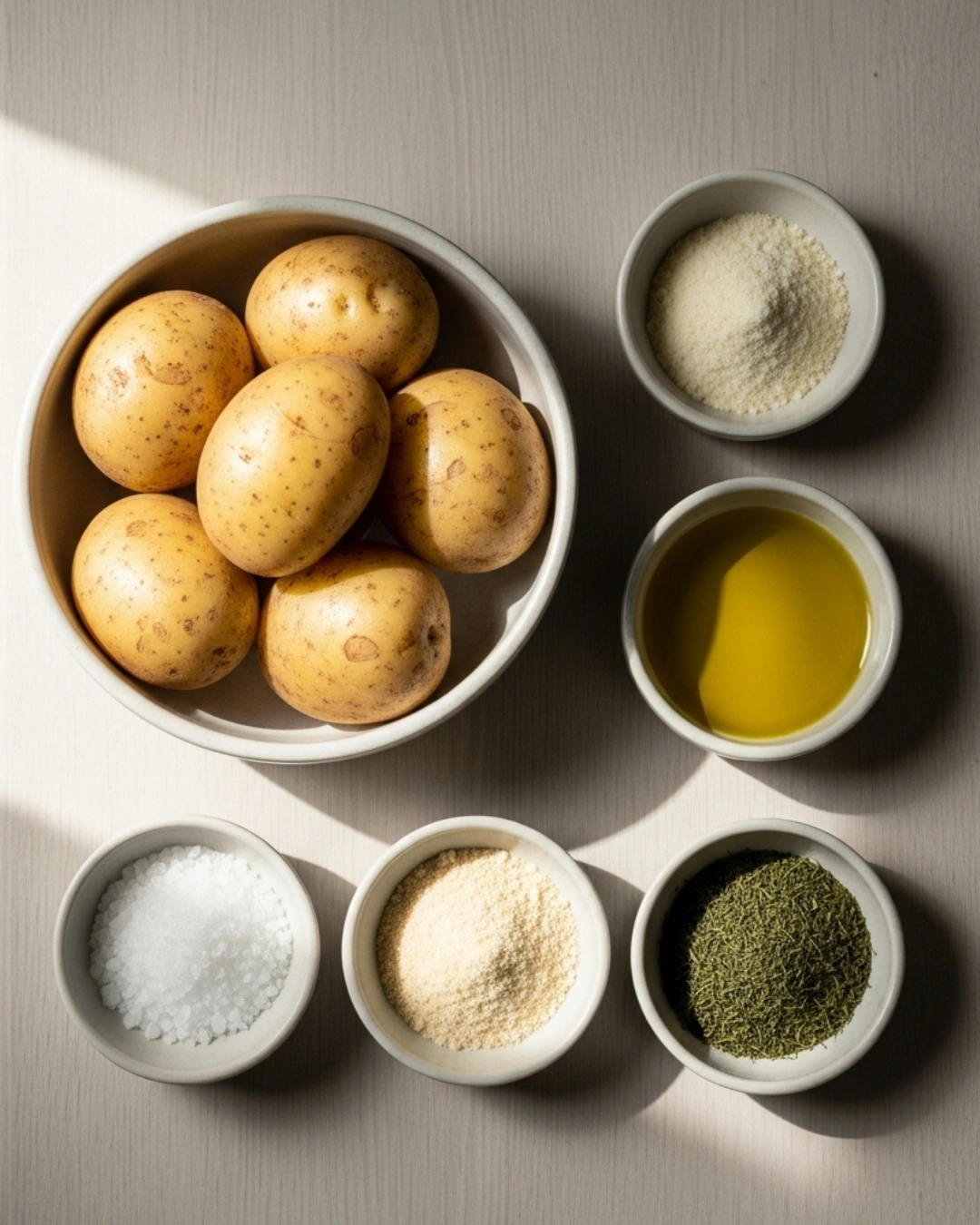
- 2 1/2 pounds potatoes
- 1 tablespoon olive oil
- 2 teaspoons onion powder
- 1 1/2 teaspoons garlic powder
- 1 teaspoon dried dill
- 3/4 to 1 teaspoon sea salt
Potatoes provide structure and texture. Olive oil supports browning and prevents dryness during baking. Onion powder and garlic powder add depth without adding moisture, which helps maintain crisp edges. Dried dill adds a light herbal flavor, while sea salt sharpens the overall taste.
This balance of ingredients allows the hash browns recipe to stay flavorful while still producing a clean, classic potato texture.
Instructions From Prep to Oven-Baked Crispness
Begin by preheating the oven to 400°F. Line a baking tray with parchment paper so the hash browns release easily and brown evenly.
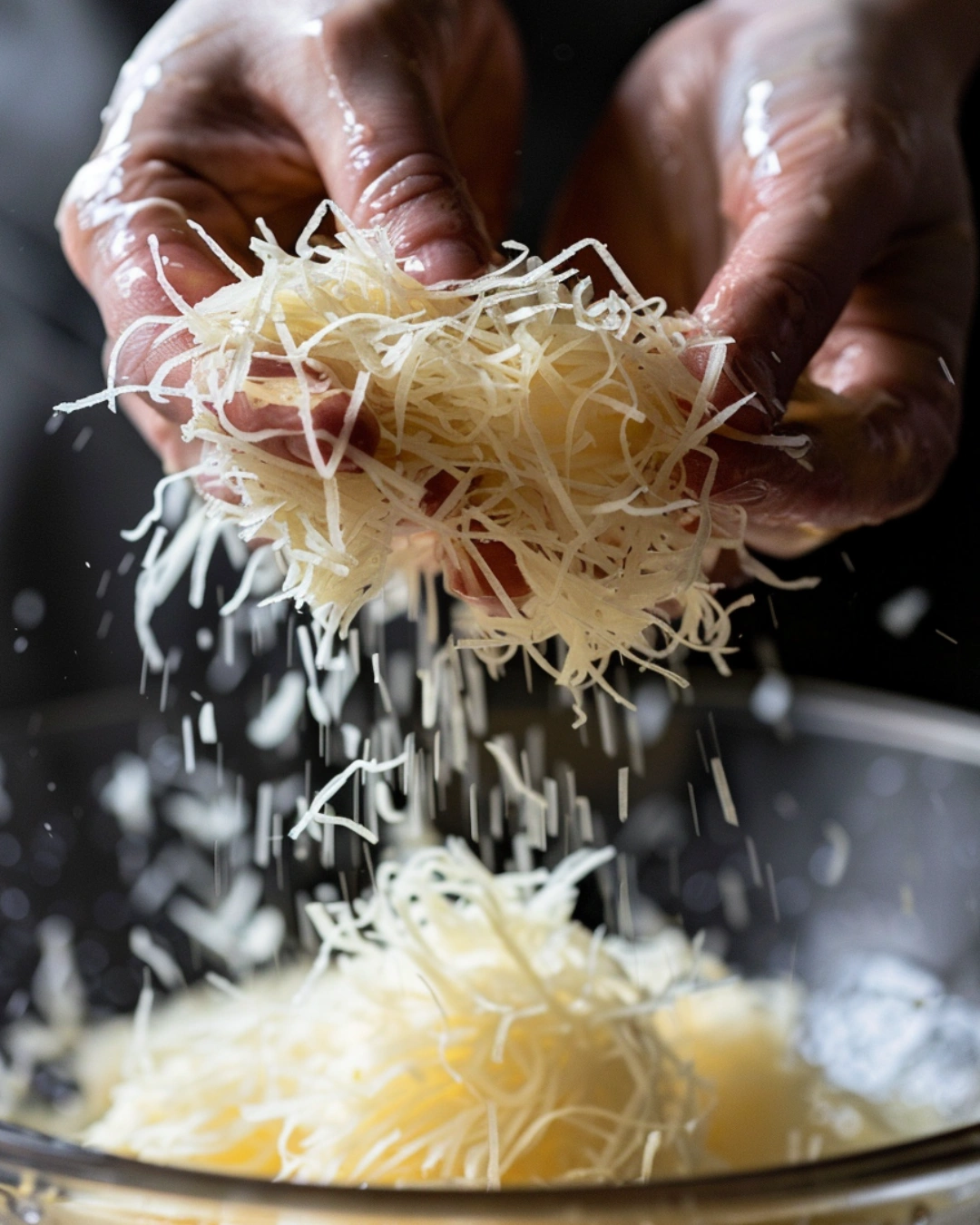
Wash and peel the potatoes, then shred them using a food processor or box grater. Place the shredded potatoes in a colander and rinse them under cold water until the water runs nearly clear. This step removes excess starch that can affect texture.
After rinsing, squeeze out as much liquid as possible. Use your hands or a clean kitchen towel. Dry potatoes crisp better, so take time with this step.
Transfer the dry shredded potatoes to a large bowl. Add the olive oil, onion powder, garlic powder, dried dill, and sea salt. Mix thoroughly until the seasoning coats the potatoes evenly. Using your hands helps distribute everything more evenly.
Measure about one-quarter cup of the mixture for each patty. Place each portion onto the prepared baking tray. Press the patties down firmly using a spatula or ring mold. Firm patties cook evenly and hold together during flipping.
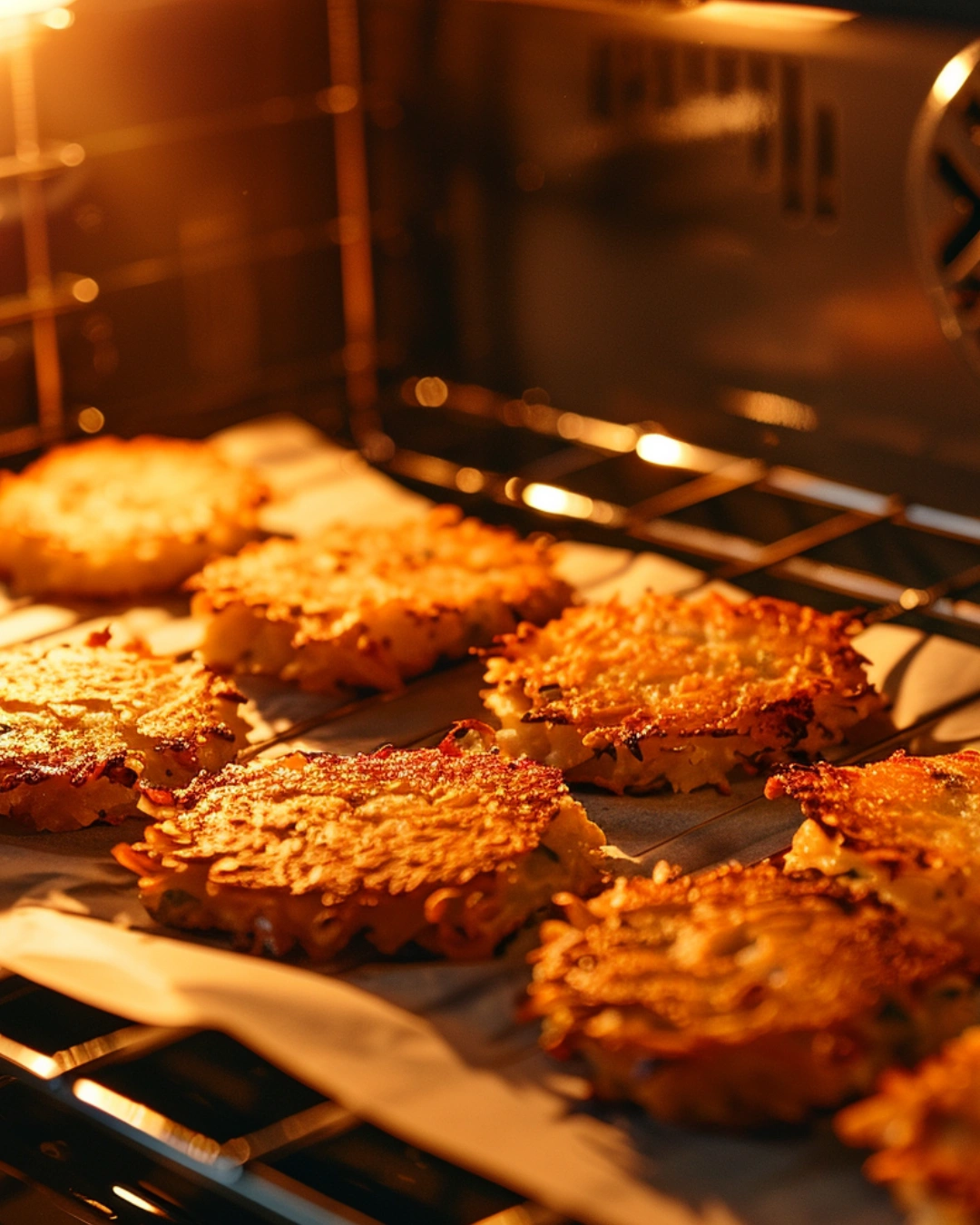
Bake for thirty minutes. Carefully flip each patty, then return the tray to the oven. Bake for another fifteen to twenty minutes until both sides turn golden and crisp.
Serve this hash browns recipe warm with plant-based sour cream and fresh herbs for a simple, satisfying finish.
Simple seasoning works best when the base ingredient shines, much like in this comforting creamy potato salad that relies on balance rather than heavy spices.
Practical Tips and Easy Variations for Hash Browns
This hash browns recipe becomes even more useful when you understand how to adjust it without losing crisp texture. Small changes in technique and seasoning allow you to customize the dish while keeping the same reliable base.
Tips That Help Hash Browns Turn Crispy and Golden
Always dry the potatoes as much as possible before seasoning. Even a small amount of leftover moisture can soften the texture during baking. When the potatoes feel light and fluffy instead of wet, they brown more evenly.
Use parchment paper rather than foil. Parchment prevents sticking and supports even browning across the bottom of each patty. Lightly pressing the patties before baking also helps them hold together and cook evenly.
Flip the hash browns only once. Frequent flipping interrupts browning and can cause breakage. Waiting until the first side firms up gives structure to the patties and makes turning easier.
Keep the oven fully preheated. Placing the tray into a hot oven helps the potatoes start browning right away instead of slowly warming. That initial heat plays a key role in this hash browns recipe.
Removing excess starch and moisture from shredded potatoes plays a major role in achieving crisp texture, a technique widely discussed in professional cooking breakdowns such as those published by Serious Eats Source.
Simple Variations That Still Work With This Recipe
You can change the seasoning without changing the method. Swap dried dill for paprika, dried thyme, or Italian seasoning to shift the flavor profile. Keep all seasonings dry to protect the crisp texture.
For a sharper taste, add finely grated onion after squeezing out its moisture thoroughly. Mixing it evenly into the potatoes keeps the patties balanced. You can also add finely chopped fresh herbs after baking for brightness without affecting texture.
This hash browns recipe also adapts well to different shapes. Instead of patties, spread the mixture into a thin layer for a large, shareable hash brown. Press it firmly and flip carefully halfway through baking.
If you prefer softer centers, press the patties slightly thicker. For extra crisp edges, flatten them more firmly. These small adjustments let you control texture while keeping cooking time similar.
By following these tips and variations, you can customize this hash browns recipe while still getting consistent results. The base stays the same, but the possibilities stay flexible and practical.
Small flavor variations can refresh familiar dishes, just as seasoning changes do in this maple roasted Brussels sprouts recipe without altering the cooking method.
Serving and Storage for Hash Browns
This hash browns recipe works best when you handle serving and storage with the same care as preparation. Proper timing and storage methods help preserve crisp texture and clean flavor, whether you serve them right away or save them for later.
Serving Hash Browns for the Best Texture
Serve hash browns immediately after baking for the best results. Fresh from the oven, the patties stay crisp on the outside and soft in the center. Letting them rest for a minute helps the structure set, which keeps them from breaking when plated.
This hash browns recipe pairs well with classic breakfast foods like eggs, toast, or plant-based proteins. The mild seasoning allows the hash browns to balance richer items without overpowering the plate. A simple topping such as plant-based sour cream adds contrast, while fresh herbs bring brightness and color.
For brunch-style serving, arrange the hash browns on a warm platter instead of stacking them. Stacking traps steam and softens the exterior. Keeping them in a single layer preserves crisp edges longer.
If you need to keep them warm before serving, place them in a low oven set around 200°F. Leave them uncovered so moisture does not build up. This method helps maintain texture without overcooking.

Storing and Reheating Leftover Hash Browns
Allow leftover hash browns to cool completely before storing. Cooling prevents condensation, which can make them soggy. Place them in an airtight container and store them in the refrigerator for up to three days.
For longer storage, freeze the baked hash browns in a single layer until firm, then transfer them to a freezer-safe container. This method prevents sticking and makes reheating easier. This hash browns recipe freezes well because the patties already hold their shape.
Reheat hash browns in the oven for the best texture. Place them on a baking tray and warm at 375°F until heated through and crisp again. Avoid microwaving when possible, as it softens the exterior and reduces crispness.
With proper serving and storage, this hash browns recipe stays practical for both fresh meals and planned leftovers. The patties remain easy to reheat, flavorful, and satisfying without extra effort.
For a fuller breakfast or brunch plate, hash browns pair naturally with hearty mains such as these flavorful Greek chicken bowls, creating a balanced and satisfying meal


Oven-Baked Hash Browns
Ingredients
Equipment
Method
- Preheat the oven to 400°F and line a baking tray with parchment paper.
- Wash and peel the potatoes, then shred them using a food processor or box grater.
- Rinse the shredded potatoes until the water runs nearly clear, then squeeze out as much liquid as possible.
- Place the dry potatoes in a bowl and add olive oil, onion powder, garlic powder, dill, and sea salt, mixing thoroughly.
- Measure about 1/4 cup of the mixture for each patty, place on the tray, and press firmly.
- Bake for 30 minutes, flip each patty carefully, then bake for another 15–20 minutes until golden and crisp.
- Serve warm with plant-based sour cream and fresh herbs.
Nutrition
Notes
Avoid overcrowding the baking tray so heat circulates evenly.
Reheat leftovers in the oven to maintain texture.
From your stove to our hearts
share your delicious take!FAQs About hash browns recipe
What exactly is a hash brown?
A hash brown is a potato dish made from shredded raw potatoes that cook until crisp on the outside and tender inside. Cooks usually shape them into patties or cook them as a loose layer. In American cooking, hash browns most often appear as a breakfast side
What’s the secret to making good hash browns?
The key is removing as much moisture as possible from the shredded potatoes. Rinsing removes excess starch, and squeezing them dry allows the potatoes to brown instead of steam. Pressing the patties firmly and avoiding overcrowding also improves texture.
What do Americans call hash browns?
Americans simply call them hash browns. You may see variations like hash brown patties or shredded hash browns, but the name stays the same and usually needs no explanation.
How to make a hash brown simple?
A simple hash brown uses shredded potatoes, oil, dry seasonings, and a steady heat source. This hash browns recipe keeps things straightforward by baking the patties in the oven, which reduces hands-on cooking while still delivering crisp, golden results.
Conclusion: hash browns recipe
This hash browns recipe brings classic comfort food into an easy, repeatable home-cooking method. By focusing on proper potato prep, simple seasoning, and steady oven heat, the recipe delivers crisp hash browns with a soft, satisfying center every time. Each step supports texture and flavor without adding unnecessary complexity, which makes the process approachable for any skill level.
The ingredients stay familiar, the instructions stay clear, and the results stay consistent. These hash browns work just as well for a relaxed weekend breakfast as they do for meal prep during busy weeks. Served fresh or reheated later, they hold their shape, flavor, and texture with ease. Once you understand the technique behind this recipe, it becomes a dependable staple you can return to whenever you want a simple, well-made breakfast side that always feels comforting and familiar.