
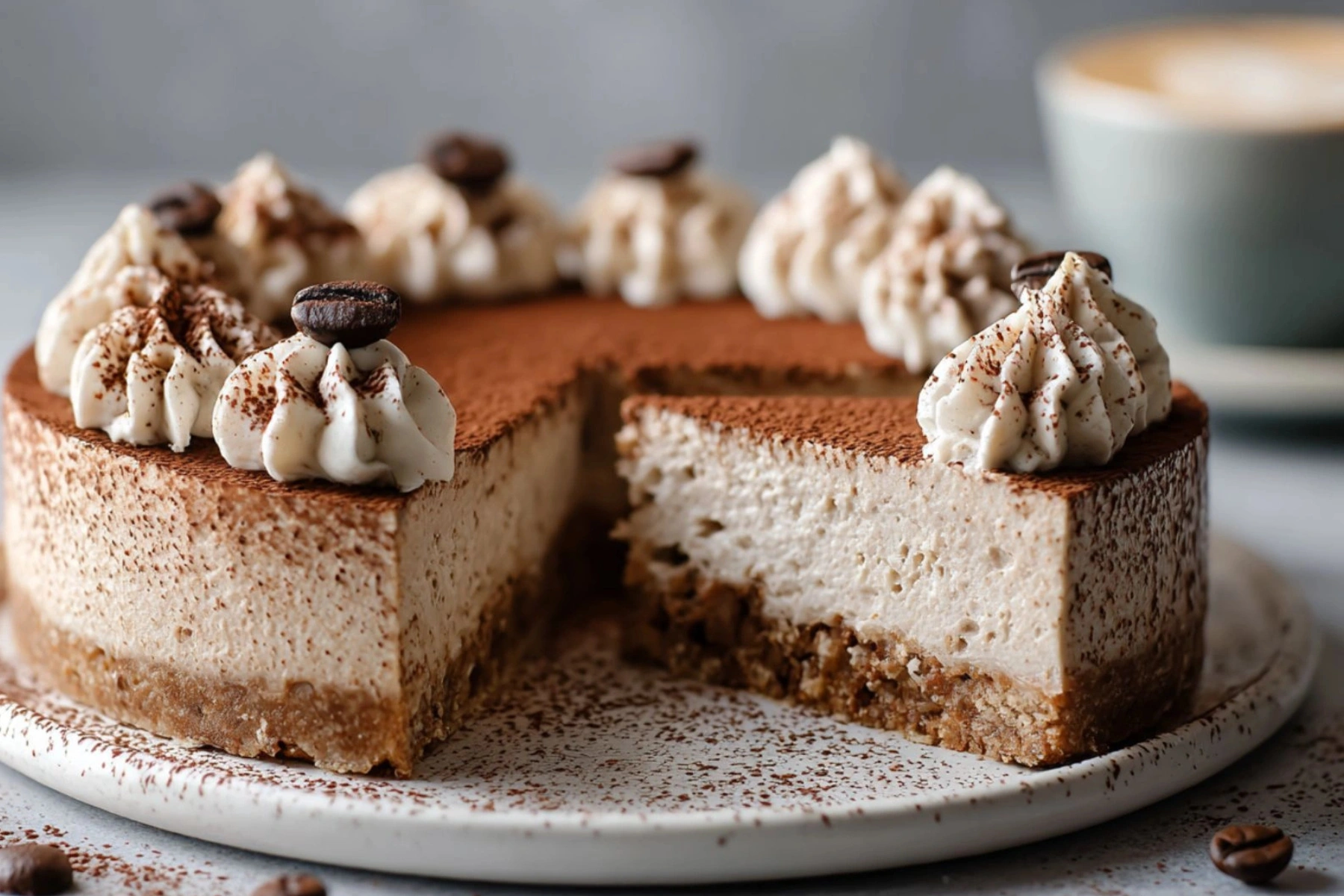
Espresso coffee cheesecake has a quiet way of drawing people in, even before the first slice hits the plate. I still remember making it on a slow afternoon when the kitchen felt calm and the smell of coffee filled the air. That moment made me realize how naturally espresso and cheesecake belong together. The creamy filling, the buttery biscuit base, and the deep coffee notes create a dessert that feels steady and comforting.
Espresso coffee cheesecake sits right between dessert and coffee time, which makes it perfect for relaxed evenings or shared weekends. In this article, we explored how espresso shapes flavor, how ingredients work together, and why this cheesecake style feels so approachable.
From baking and serving to storing leftovers, espresso coffee cheesecake offers a balance that feels familiar without becoming boring. If you enjoy desserts that feel thoughtful and unhurried, this recipe fits beautifully into that rhythm.
Espresso Coffee Cheesecake and Why It Feels So Special
The comfort behind espresso coffee cheesecake
Espresso coffee cheesecake brings together two things I already love: a creamy dessert and a bold cup of coffee. From the first bite, the smooth filling melts slowly, while the espresso adds a gentle bitterness that keeps the sweetness in check. Because of that balance, espresso coffee cheesecake never feels too heavy.
Instead, it feels steady and grounding. When I bake it, I always notice how the scent changes as it cools, shifting from warm butter to something deeper and more inviting. That moment alone makes the process worthwhile. Many home bakers reach for this cheesecake because it fits both casual dinners and special gatherings without trying too hard.
Espresso coffee cheesecake fits beautifully alongside other coffee-inspired treats like the peanut butter coffee smoothie and the decadent mocha coffee overnight oats, which also highlight how coffee pairs naturally with creamy textures.
What goes well with coffee cheesecake at the table
Coffee cheesecake pairs best with simple, familiar flavors. Fresh whipped cream adds lightness, while a dusting of cocoa brings out the espresso notes. Sometimes, I serve espresso coffee cheesecake with sliced strawberries or raspberries, since their brightness cuts through the richness. On cooler evenings, a small cup of black coffee or a mild latte works beautifully beside each slice.
Because the cheesecake already carries strong flavor, simple sides always work better than elaborate ones. That balance helps espresso coffee cheesecake remain the star of the table rather than competing with everything around it.
Espresso Coffee Cheesecake and Ingredient Harmony
Ingredients that define espresso coffee cheesecake
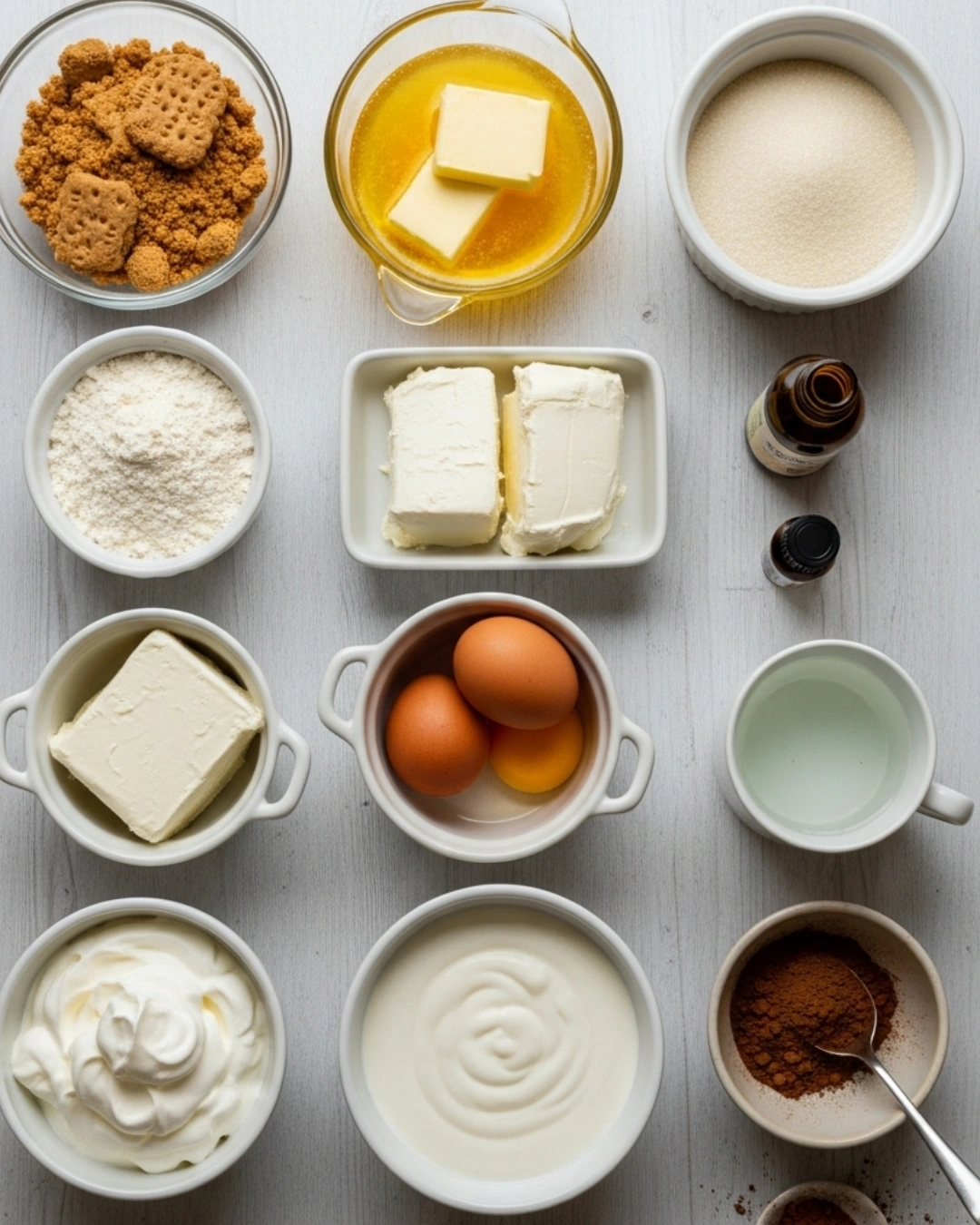
Espresso coffee cheesecake comes together through simple ingredients that feel familiar yet deeply comforting when combined. I like to treat this part of the recipe as a quiet setup moment, because having everything ready makes the process feel calm and steady. Each ingredient supports the espresso without overpowering the creaminess, which keeps the flavor balanced from start to finish. Here’s how the ingredients line up in this cheesecake:
- 200 g digestive biscuits, crushed into fine crumbs
- 100 g unsalted butter, melted and warm
- 600 g cream cheese, fully softened
- 150 g granulated sugar
- 3 large eggs, at room temperature
- 1 teaspoon vanilla extract
- 2 tablespoons all-purpose flour
- ½ cup sour cream
- 1 tablespoon instant espresso powder
- 2 tablespoons hot water
- 100 ml heavy cream, whipped for topping
- Cocoa powder, lightly dusted on top
Together, these ingredients create the foundation of espresso coffee cheesecake. The biscuits and butter give the base a gentle crunch, while the cream cheese forms a smooth, rich center. Espresso adds depth, and vanilla keeps the flavor warm and familiar.
How the ingredients come together during baking
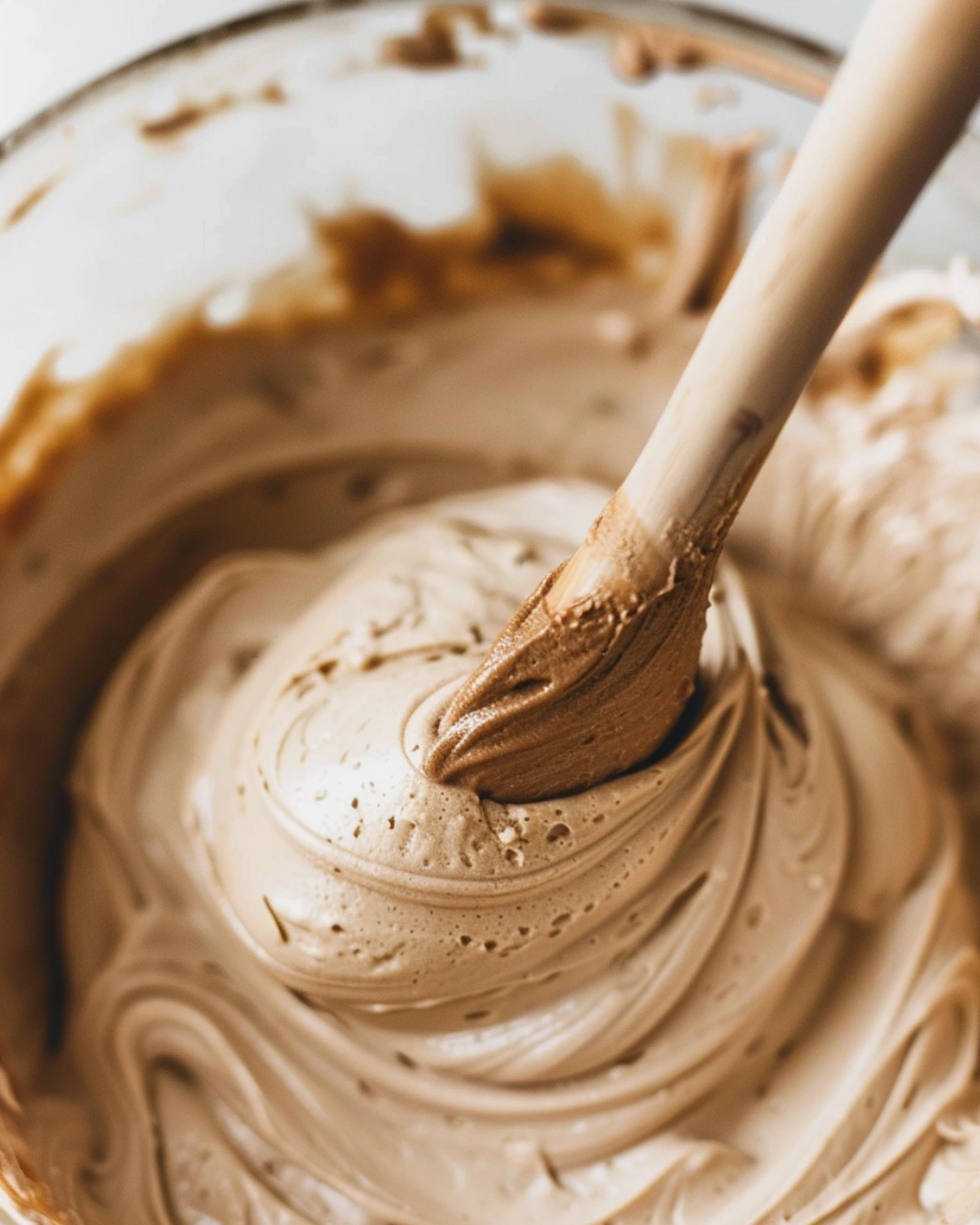
Once mixed, the ingredients begin to work as a single unit. The cream cheese and sugar blend into a smooth base, while the eggs slowly build structure without stiffness. As the espresso mixture folds in, the batter darkens slightly and develops a deeper aroma. During baking, espresso coffee cheesecake sets from the edges inward, which keeps the center soft and creamy.
The sour cream helps maintain that smooth texture, while the flour quietly supports the filling so it slices cleanly later. As the cheesecake cools, the flavors settle and become more connected. The espresso loses any sharp edge, the sweetness softens, and the base stays firm.
After chilling, espresso coffee cheesecake feels balanced and calm, with every ingredient playing its role. That harmony explains why this dessert feels comforting rather than heavy, making it easy to serve and enjoy slowly, one slice at a time.In this article, I’m walking you through what makes espresso coffee cheesecake so appealing, how coffee shapes its flavor, and why this style of cheesecake feels different from the classic versions.
We’ll also look at what pairs well with it, how espresso blends into cake batter, and what sets certain cheesecake styles apart. If you enjoy calm, cozy baking moments, this espresso coffee cheesecake story will feel right at home in your kitchen.
Espresso Coffee Cheesecake and Cheesecake Styles
The three main cheesecake styles and where espresso fits
Cheesecake comes in a few well-known styles, and espresso coffee cheesecake settles comfortably among them. The first style is baked cheesecake, which uses eggs and bakes slowly until the center stays slightly soft.
This is the category espresso coffee cheesecake belongs to, because baking allows the coffee flavor to blend gently into the cream cheese. The second style is no-bake cheesecake, which relies on chilling rather than baking and often feels lighter but less layered.
The third style is Basque cheesecake, known for its dark top and custard-like center. Compared to those, espresso coffee cheesecake feels balanced and familiar. It keeps structure while still feeling creamy, which makes it easier to slice, serve, and enjoy at a relaxed pace.
What makes espresso coffee cheesecake different from Basque cheesecake
Basque cheesecake stands out because of its deeply browned top and soft, almost spoonable center. Espresso coffee cheesecake takes a different path. Instead of strong caramelized notes, it focuses on smooth texture and steady flavor. The biscuit base adds structure, while the espresso blends quietly into the filling rather than dominating it.
During baking, espresso coffee cheesecake sets evenly, which creates clean slices once chilled. That difference matters when serving guests, because each slice looks neat and feels intentional. While Basque cheesecake feels dramatic and rustic, espresso coffee cheesecake feels calm and composed.
The coffee flavor supports the creaminess instead of competing with it. Because of that, espresso coffee cheesecake works well for both everyday baking and special occasions, offering depth without intensity and comfort without heaviness.
Espresso Coffee Cheesecake Serving and Storage
Serving espresso coffee cheesecake with balance and care
Espresso coffee cheesecake serves best when it has time to fully chill and settle. I usually remove it from the refrigerator about fifteen minutes before slicing, which allows the texture to soften slightly without losing structure.
Once chilled, espresso coffee cheesecake should stay covered and stored in the refrigerator, following proper cold food storage guidance outlined by FoodSafety.gov to maintain texture and freshness.
That short rest brings out the espresso notes and makes each slice feel smoother on the fork. When serving, clean cuts matter, so I wipe the knife between slices to keep the edges neat.
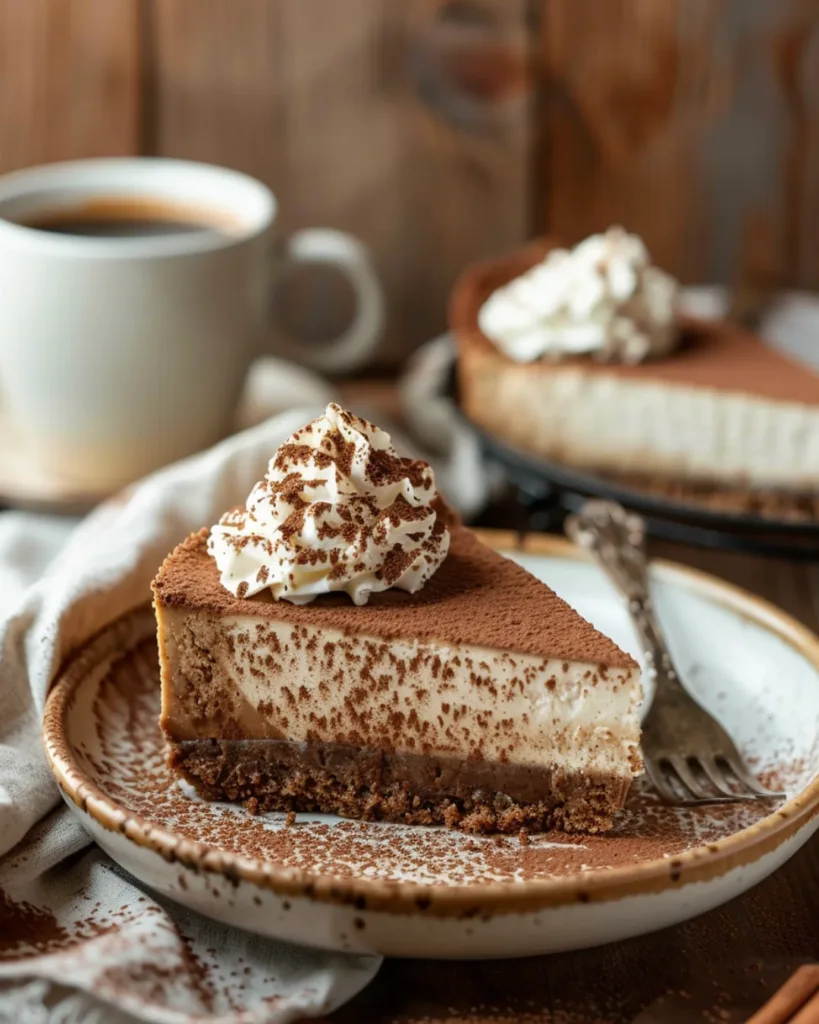
A thin layer of whipped heavy cream adds lightness, while a gentle dusting of cocoa powder ties the coffee flavor together. Espresso coffee cheesecake works well on its own, but it also pairs naturally with fresh berries or a simple cup of coffee. Because the flavor already feels complete, simple serving choices keep the dessert calm and inviting.
Espresso coffee cheesecake pairs naturally with brewed coffee, and understanding basic brewing methods from the National Coffee Association helps bring out the dessert’s deeper coffee notes without overpowering the creaminess.
Storing espresso coffee cheesecake for best results
Proper storage keeps espresso coffee cheesecake tasting fresh and balanced for days. Once fully chilled, I cover the cheesecake tightly and store it in the refrigerator. It holds its texture and flavor well for up to four days without drying out. If you plan ahead, espresso coffee cheesecake also works beautifully as a make-ahead dessert, since the coffee flavor deepens slightly after the first day.
For longer storage, individual slices can be wrapped carefully and placed in the freezer. When ready to serve, thaw the slices overnight in the refrigerator so the texture stays smooth. Avoid leaving espresso coffee cheesecake at room temperature for extended periods, as the cream cheese softens too much. With simple care, this cheesecake stays creamy, steady, and enjoyable from the first slice to the last.
When serving espresso coffee cheesecake, it often works well as part of a dessert table that includes light options such as chocolate mousse or comforting classics like best pudding recipe, keeping the menu balanced and inviting.
Espresso Coffee Cheesecake
Ingredients
Equipment
Method
- Preheat the oven to 350°F (175°C) and prepare a 9-inch springform pan with parchment.
- Crush the digestive biscuits into fine crumbs.
- Mix the crumbs with melted butter and press firmly into the pan base.
- Bake the crust for 10 minutes and let it cool.
- Dissolve espresso powder in hot water and set aside.
- Beat cream cheese until smooth.
- Mix in sugar until combined.
- Add eggs one at a time, then stir in vanilla.
- Add flour and sour cream and mix gently.
- Pour in the cooled espresso mixture.
- Pour the batter over the crust and smooth the top.
- Bake for 50–60 minutes until edges set and center slightly soft.
- Cool in the oven with the door slightly open for one hour.
- Chill in the refrigerator for at least four hours.
- Top with whipped cream and dust with cocoa powder before serving.
Nutrition
Notes
Use room-temperature ingredients for smooth texture.
Store covered in the refrigerator for up to four days.
Freeze slices individually for longer storage.
From your stove to our hearts
share your delicious take!FAQs About Espresso Coffee Cheesecake
What goes well with coffee cheesecake
Espresso coffee cheesecake pairs best with simple sides that don’t compete with its flavor. Light whipped cream softens the richness, while fresh berries add contrast. A cup of black coffee or a mild latte complements the espresso notes and keeps the experience balanced.
The three main types of cheesecake
Cheesecake generally falls into baked cheesecake, no-bake cheesecake, and Basque cheesecake. Espresso coffee cheesecake belongs to the baked style, which uses eggs and gentle heat to create a smooth, sliceable texture with layered flavor.
Adding espresso to cake successfully
Espresso blends best into cake when dissolved first in hot water. This method spreads the coffee flavor evenly through the batter and avoids grainy texture. In espresso coffee cheesecake, this step keeps the flavor steady and smooth.
What makes Basque cheesecake distinct
Basque cheesecake stands out because of its deeply browned surface and soft, custard-like center. Espresso coffee cheesecake feels more structured and creamy, with a biscuit base and a calmer flavor profile that highlights coffee without intensity.
Conclusion: Espresso coffee cheesecake
Espresso coffee cheesecake brings together comfort, balance, and depth in a way few desserts can. From the smooth filling to the gentle coffee notes, every element works together without overpowering the next. Because it bakes slowly and chills well, this cheesecake rewards patience and care. It serves beautifully for gatherings, yet it also feels right for quiet moments at home.
The espresso adds warmth, the cream cheese keeps everything soft, and the biscuit base grounds each slice. With proper serving and storage, espresso coffee cheesecake stays enjoyable for days, making it a reliable make-ahead dessert. Whether you bake it for guests or simply for yourself, this cheesecake offers a calm, satisfying experience from the first bite to the last.