

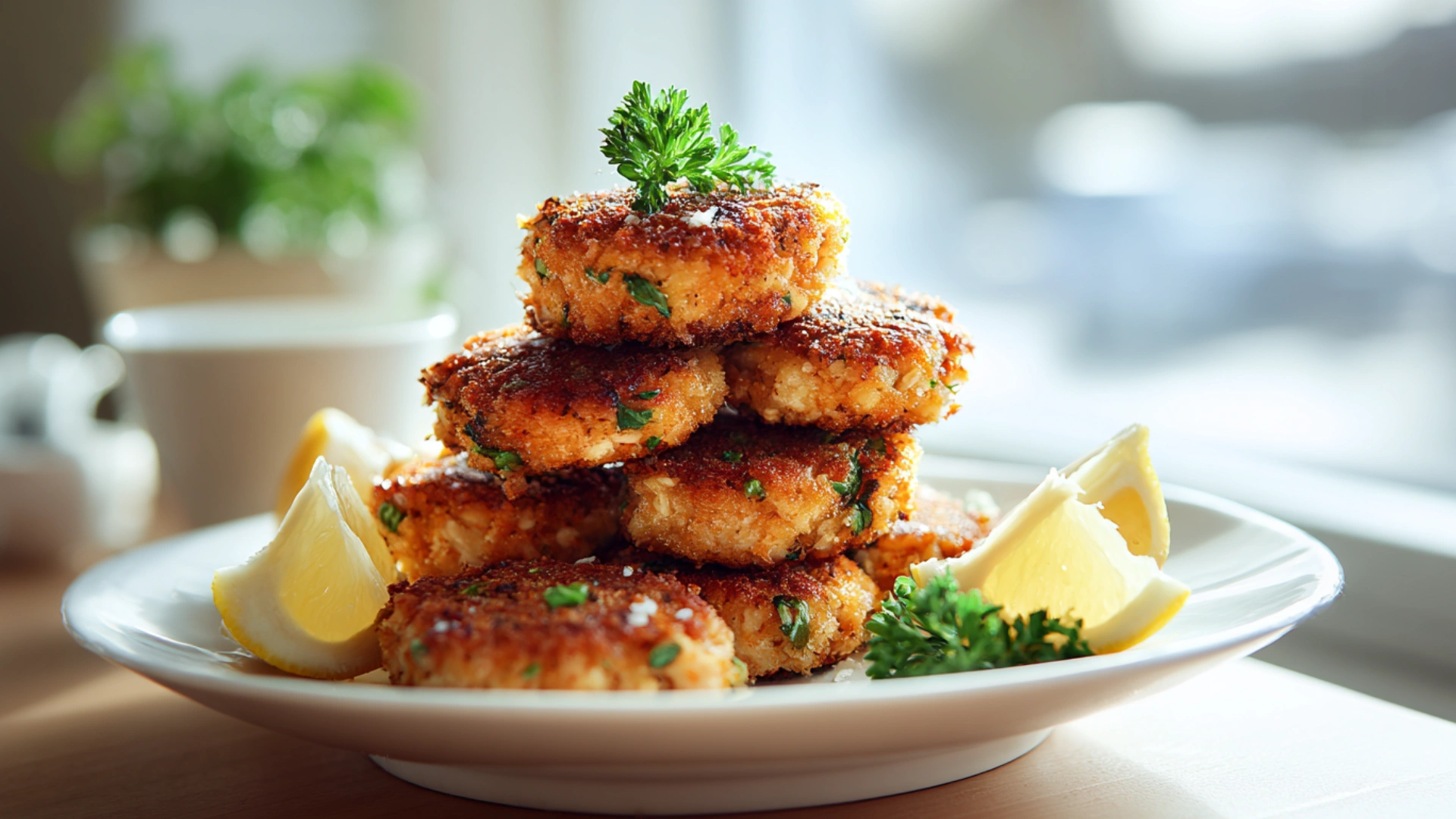
There’s something really comforting about a crisp, golden salmon cake, that perfect bite where flaky fish meets soft herbs and a little bit of spice. This recipe brings together warmth and freshness in a way that feels like home, no matter the season.
Whether you’re hosting brunch, making quick weekday appetizers, or just craving a light but flavorful dinner, these salmon cakes are a modern classic worth trying. In this post, we’ll walk through every step, from the ingredients that make them special to the small details that keep each bite tender and satisfying.
The Story Behind My Salmon Cakes
A recipe that began in my grandmother’s kitchen
The first time I made salmon cakes, I was standing in my grandmother’s small coastal kitchen, where the scent of butter and sea salt mixed with her laughter. She’d tell me, “Good salmon cakes aren’t fancy, they’re honest.” Back then, it wasn’t about following exact measurements; it was about feeling the mixture come together and listening for that soft sizzle when the patties hit the pan. Over the years, I’ve refined that same simple recipe into something both nostalgic and new — a dish that honors those roots while fitting perfectly into today’s easy, balanced cooking.
Why salmon cakes never go out of style
What makes salmon cakes so timeless is their versatility. You can dress them up for a dinner party or keep them rustic for a cozy weekend lunch. Their magic lies in the details: a careful balance of fresh herbs, a hint of spice, and the light texture from panko that keeps every bite airy and crisp. They’re also a wonderful way to turn simple pantry staples into something special without sacrificing flavor or comfort.
If you enjoy cozy seafood classics like these, you might also love my Cowboy Butter Salmon, it carries that same buttery comfort with a rich, golden finish.
Crafting the Perfect Salmon Cake
Choosing the right salmon-fresh, canned, or a little of both
When it comes to making truly good salmon cakes, the kind of salmon you start with changes everything. Fresh salmon gives you that buttery, delicate flavor that feels special — like something you’d order at a seaside café. It’s perfect if you’ve got a leftover baked fillet from dinner the night before, ready to be turned into something new.
Canned salmon, though, has its quiet charm. It’s budget-friendly, already cooked, and full of rich flavor if you handle it right. Just drain it well, remove any small bones, and flake it gently with a fork. I often like to mix both — half fresh, half canned — for a balance that feels both rustic and refined. The fresh brings richness, the canned gives a firm, flaky structure that holds up perfectly when pan-fried.
Ingredients
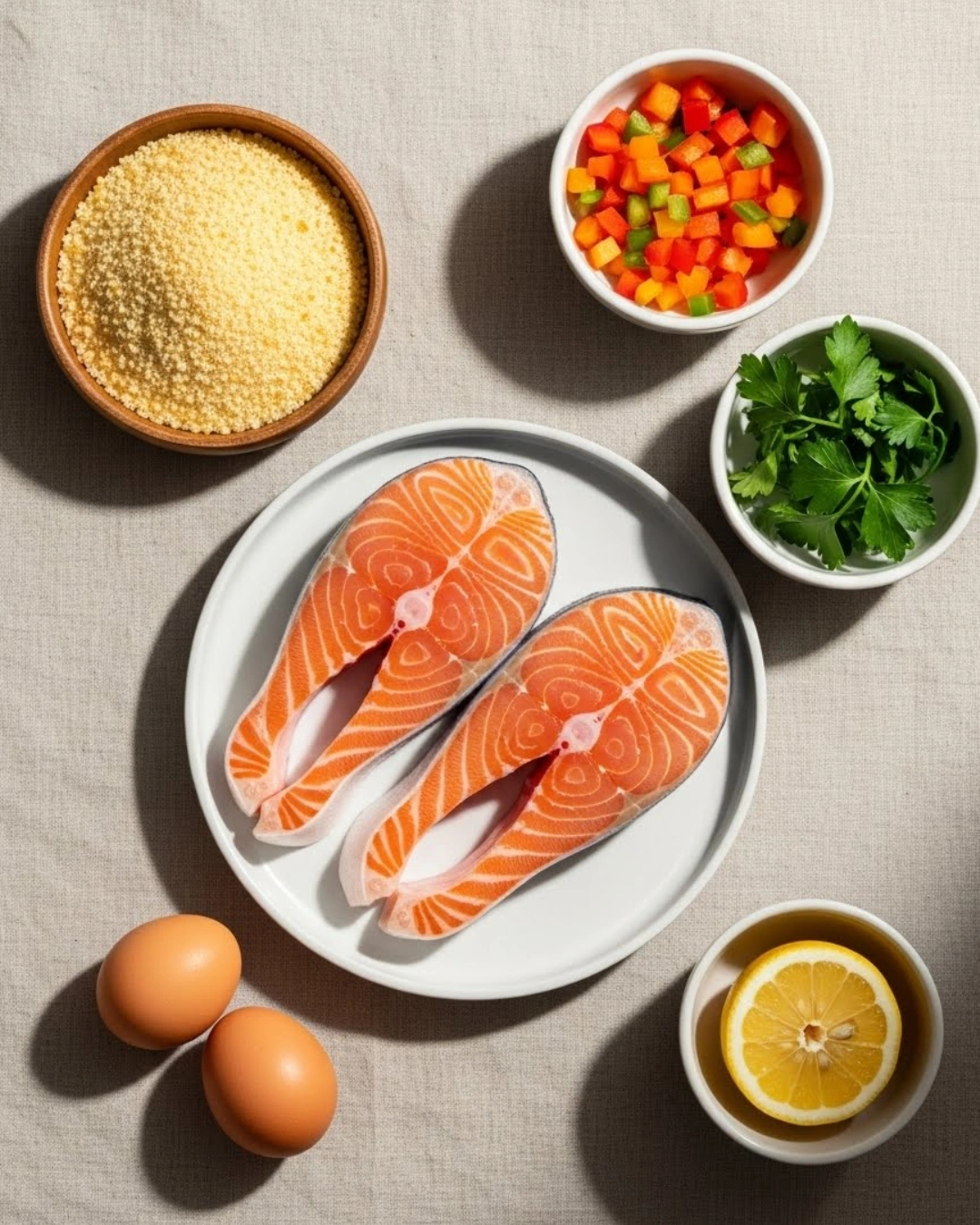
- 1 pound raw salmon (fresh or canned, boneless and skinless)
- 1 cup panko breadcrumbs (light and crunchy)
- 2 large eggs, well beaten
- ½ cup mayonnaise (or Greek yogurt for a lighter option)
- 1 medium yellow onion, finely diced
- ½ cup celery (optional but recommended)
- 1 cup red bell pepper (or green bell pepper)
- 2 cloves garlic, minced
- 1 tablespoon Old Bay seasoning
- 1 teaspoon Worcestershire sauce (optional but recommended)
- ¼ cup fresh parsley, chopped
- Salt and pepper to taste
Building the perfect flavor and texture
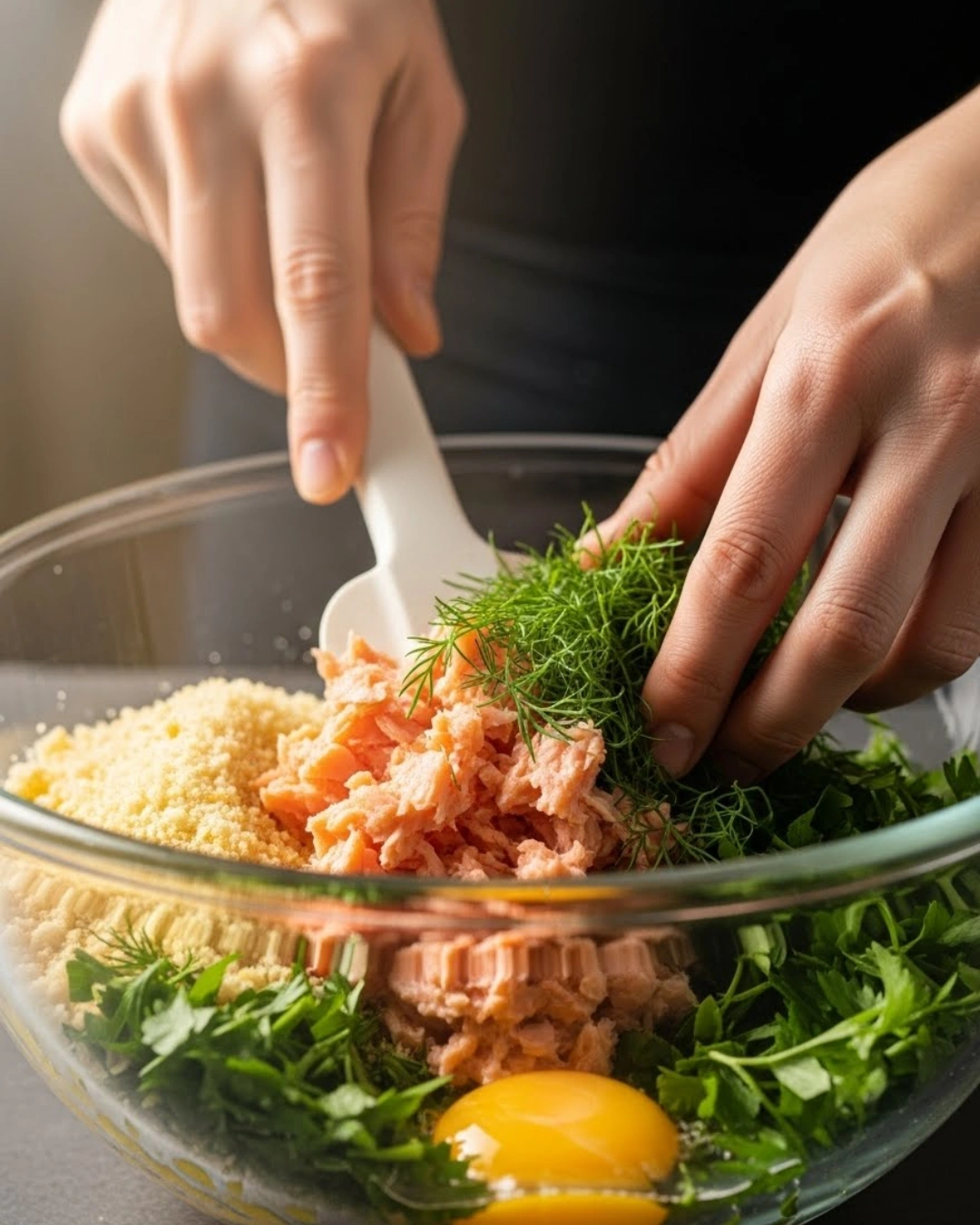
Once everything’s mixed, go gently. You want the salmon to stay in soft flakes — that’s what gives each cake its tender, melt-in-your-mouth texture. The mixture should feel moist but firm enough to hold shape. If it seems too soft, add a bit more panko; if it feels dry, a spoonful of mayonnaise brings it right back. Cover and chill the mixture for about thirty minutes before cooking — it gives the flavors time to settle and helps the cakes stay together in the skillet.
What I love most about this step is how it feels familiar — like something passed down through generations, yet modern enough for a busy kitchen. For another seafood dish with that light, crisp texture, try the Crab Cake. it’s a close cousin to these salmon cakes and just as satisfying.
Cooking to Golden Perfection
Pan-fried or baked-finding your golden balance
Once your mixture is chilled and shaped, it’s time for the best part: cooking the salmon cakes until they’re beautifully golden and crisp. This is where patience really pays off. The key is using moderate heat — hot enough to create that crispy crust, but gentle enough to keep the inside tender.
For pan-frying, heat a mix of butter and a little oil in a skillet over medium heat. When it starts to shimmer, place the cakes carefully in the pan and let them sizzle without moving them for about three minutes per side. You’ll know they’re ready to flip when the edges turn golden and the smell of toasted breadcrumbs fills the air. The goal isn’t just about color, it’s that satisfying crunch when you break the surface with a fork.
If you want a lighter option, baking is a great alternative. Place the salmon cakes on a parchment-lined baking sheet, lightly spray them with oil, and bake at 425°F for about 12–15 minutes, flipping halfway through. They’ll come out crisp, golden, and full of flavor, with much less oil. Baking also makes it easy to serve a big batch — especially when you’re planning a cozy brunch or a simple dinner.
For a similar crisp and creamy comfort, you might like my Parmesan Crusted Zucchini Bites, they have that same irresistible golden texture and make a great side for salmon cakes.
Timing, seasoning, and those finishing touches
No matter which method you choose, let the cooked salmon cakes rest on a paper towel for a moment before serving. This helps them stay crisp and prevents them from getting soggy from steam. I like to sprinkle a little sea salt while they’re still warm — it brings out the buttery flavor and adds a little extra sparkle to each bite.
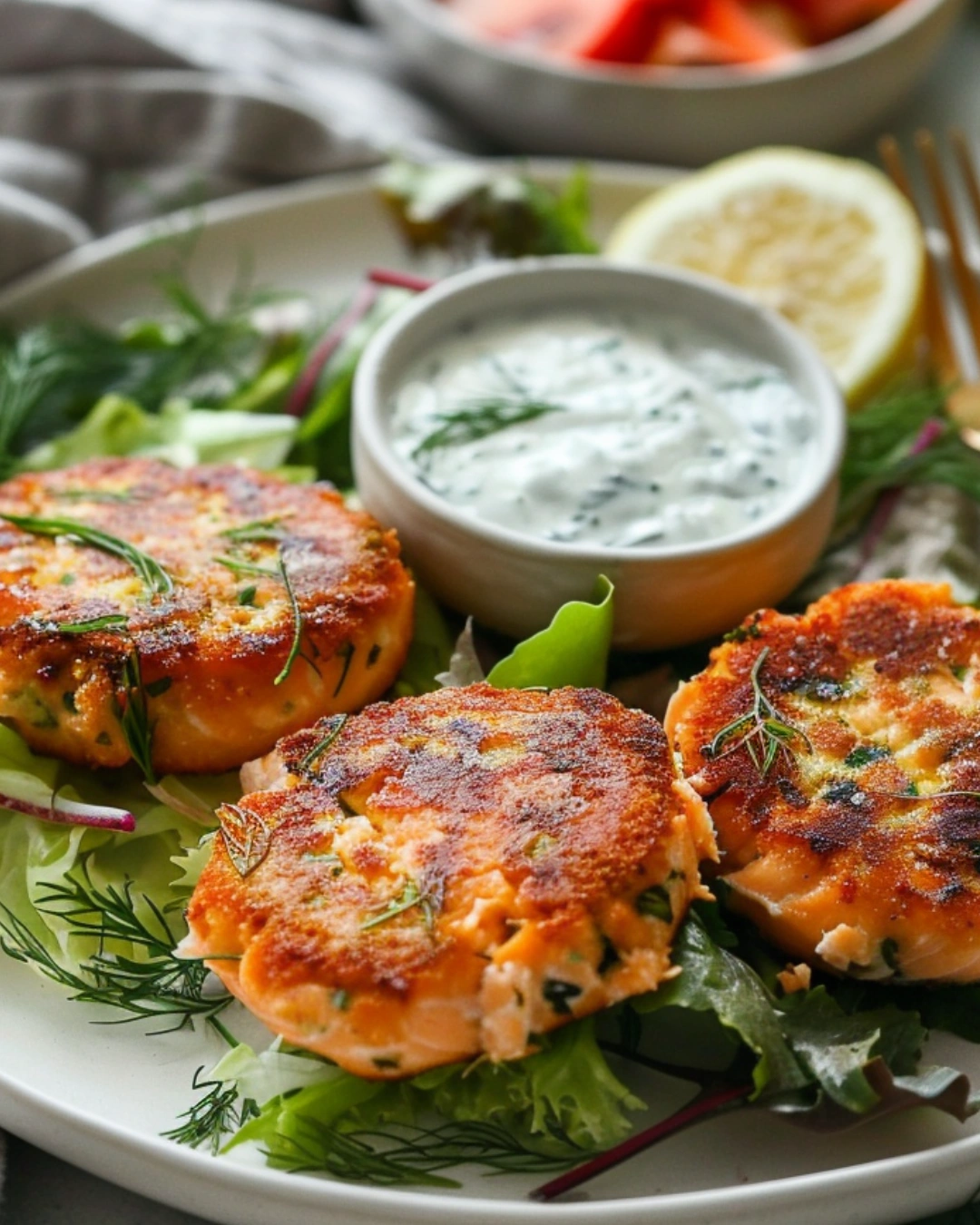
For serving, keep it simple but thoughtful. A squeeze of fresh lemon adds brightness, while a dollop of homemade tartar or dill sauce brings some creaminess. If you want something different, try pairing them with a tangy yogurt dip or a quick slaw for contrast. These small touches turn a simple recipe into something that feels thoughtful and satisfying.
As you serve, you’ll notice the edges crisp and shiny, the inside tender and fragrant with herbs. It’s the kind of dish that fills your kitchen with warmth — the scent of comfort, of something made with care.
If you enjoy this kind of crisp, skillet-style cooking, my Garlic Butter Salmon and Mushroom is another reader favorite, full of warmth and that perfect golden sear.
Pairings & Serving Ideas
The perfect sides and sauces for your salmon cakes
The beauty of salmon cakes is that they’re endlessly versatile, simple enough for a weekday lunch, yet elegant enough to serve at a gathering. The key is pairing them with flavors that complement their soft, savory richness.
For something fresh, try serving them with a light salad, maybe arugula tossed with lemon and olive oil, or a cucumber and dill mix that echoes the coastal feel of the fish. Roasted or steamed vegetables, like asparagus or green beans, make a clean, colorful companion too. When I want something more comforting, I reach for sides that bring contrast — creamy mashed potatoes or a crisp slaw for a bit of crunch.
As for sauces, tartar sauce is a classic for a reason tangy, creamy, and just sharp enough to cut through the salmon’s warmth. A dill yogurt sauce is another favorite; it’s lighter but still rich, with that gentle herbal note that ties the whole plate together. And for a bold twist, a simple sriracha mayo adds just the right kick without overpowering the natural flavor of the fish.
For a cozy side that complements these cakes beautifully, the Roasted Garlic Mashed Potatoes bring that creamy, classic comfort every seafood plate needs.
If you’re looking for something fresh and tangy, a quick slaw from Love & Lemons adds just the right crunch and brightness to balance the salmon cakes.
A drizzle of Lemon Dill Sauce from NYT Cooking turns these salmon cakes into something restaurant-worthy, light, fragrant, and full of citrusy charm.
Storing, reheating, and creative leftover ideas
One of the reasons I love salmon cakes is how well they hold up after cooking. Once cooled, you can store them in an airtight container in the fridge for up to three days. To reheat, skip the microwave, it softens the crust. Instead, warm them in a skillet over low heat or in the oven at 350°F until they’re hot and crisp again.
They also freeze beautifully. Lay the uncooked or cooked cakes on a baking sheet, freeze until solid, then transfer them to a sealed bag or container. When you’re ready to enjoy them, thaw in the fridge overnight and cook (or reheat) as usual.
Leftovers are also an opportunity to get creative. Break the cakes apart and use them in a sandwich with soft brioche bread, fresh greens, and a drizzle of lemon aioli. Or toss them over a grain bowl with quinoa, roasted vegetables, and a spoonful of Greek yogurt. They even make a great brunch topping — a golden salmon cake on a slice of sourdough, topped with a poached egg, feels like something you’d order at your favorite café.

Crispy Salmon Cakes
Ingredients
Equipment
Method
- Bake the salmon at 425°F for 12 minutes or until cooked through.
- Sauté onion, celery, and bell pepper for 7 minutes; add garlic and seasoning.
- Combine cooled salmon, sautéed veggies, eggs, panko, parsley, mayo, salt, and pepper in a bowl.
- Chill mixture for 30 minutes, then form into 12 patties.
- Fry in butter and oil for 3 minutes per side or bake until golden brown.
Nutrition
Notes
From your stove to our hearts
share your delicious take!FAQs About Salmon Cake
What is the secret to a good salmon cake?
The secret to great salmon cakes is balance — moisture, texture, and flavor working together. You want the inside tender and flavorful, never dry. Using a mix of mayonnaise (or Greek yogurt), eggs, and panko breadcrumbs creates that perfect light texture while holding everything together. Letting the mixture chill before cooking also makes a big difference — it helps the flavors blend and keeps the cakes firm enough to fry without falling apart.
What are some common mistakes to avoid when making salmon cakes?
The most common mistake is overmixing. Stirring too much can break down the salmon flakes and make the cakes dense instead of delicate. Another mistake is rushing the chill time — skipping it makes the mixture loose and harder to shape. Also, be careful with the heat; too high, and the outside burns before the inside cooks through. Moderate heat gives you that perfect golden crust without drying the cakes out.
What to pair salmon cakes with?
Salmon cakes love company! For a fresh touch, serve them with a crisp salad or a lemony slaw. If you’re craving comfort, creamy mashed potatoes or roasted sweet potatoes are always a hit. They also pair beautifully with a light grain dish like Lemon Herb Rice Pilaf or a simple veggie side such as Parmesan Crusted Zucchini Bites. And don’t forget a good sauce — dill yogurt, tartar, or sriracha mayo can completely change the mood of the dish.
What is a good binder for salmon cakes?
The best binders are ingredients that add both structure and moisture. Beaten eggs and panko breadcrumbs are classics for a reason — they hold everything together without making the cakes heavy. A spoonful of mayonnaise or Greek yogurt adds creaminess and helps prevent dryness. If you’re making them gluten-free, crushed gluten-free crackers or almond flour can work beautifully in place of breadcrumbs.
Conclusion
There’s something special about a recipe that feels timeless yet easy enough to make on a quiet weeknight — and salmon cakes are exactly that. They bring together fresh flavors, cozy textures, and that golden, satisfying crunch that never fails to comfort. Whether you’re serving them as appetizers, stacking them on sandwiches, or making them the centerpiece of a simple dinner, they fit effortlessly into real life.
Cooking these salmon cakes isn’t just about a meal — it’s about that familiar rhythm of mixing, sizzling, and tasting something made with care. It’s the scent of home, the warmth of the skillet, and the small joy that comes from a dish that’s both nostalgic and new.
For more simple, cozy recipes like this one, visit Mellow Dishes — where every dish is made to slow you down, fill your kitchen with comfort, and remind you why cooking still feels like love.
