

Homemade garlic bread is one of those dishes that instantly transforms an ordinary meal into something memorable. Crisp on the outside, soft in the center, and layered with the irresistible aroma of butter and fresh garlic, it’s the side that never fails to impress.
This Homemade Garlic Bread takes you beyond store-bought loaves, teaching the simple science behind texture, flavor, and heat. With just a few fresh ingredients, bread, butter, and herbs, you can create the perfect golden loaf in under 20 minutes.
Whether served alongside pasta, soup, or roasted mains, homemade garlic bread adds warmth and balance to any table. In this guide, you’ll learn how to select the right bread, mix a flavorful garlic spread, bake it to golden perfection, and adapt it to your taste, from classic to cheesy to vegan.
The Foundation of Great Homemade Garlic Bread
Creating truly memorable homemade garlic bread begins with mastering two simple things, choosing the right loaf and understanding how ingredients interact under heat. What makes this recipe exceptional is not complexity but precision: using quality bread, balancing fat with flavor, and baking at the correct temperature to achieve crisp edges and a tender crumb. The goal is to create bread that’s golden and aromatic on the outside while remaining soft and buttery within — the kind that complements pasta, soup, or roasted dishes effortlessly.
Choosing the Ideal Bread Base
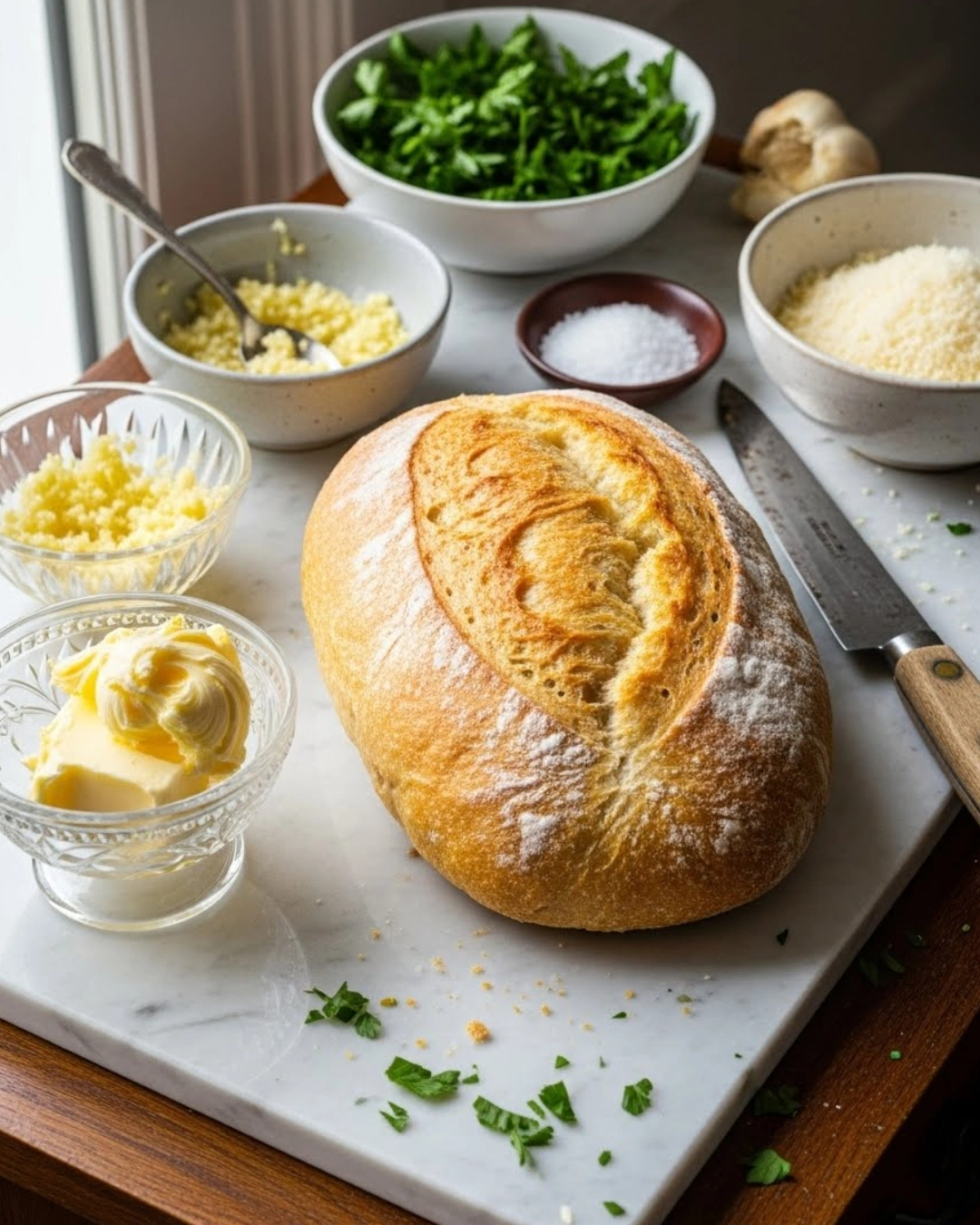
The foundation of any great homemade garlic bread is, of course, the bread itself. The best choice is a 1-pound Italian or French loaf, fresh but slightly firm to the touch. These loaves have sturdy crusts and soft interiors that hold butter without turning soggy. Avoid pre-sliced sandwich bread; its thin texture can’t withstand the spread and heat.
Slice the loaf in half lengthwise to expose a broad, even surface for spreading the garlic butter. This allows heat to reach the crumb uniformly during baking. A good loaf should feel light for its size, with a subtle spring when pressed—signs of proper fermentation. The bread’s structure is what allows it to stay crisp at the edges while absorbing rich butter in the center.
This same principle of texture control appears in my Banana Bread Recipe, where balance between fat and moisture keeps the crumb perfectly tender.
Essential Ingredients and Their Roles
Once the right bread is chosen, flavor depends entirely on the ingredients that go into the butter mixture. Every component serves a purpose, enhancing aroma, moisture, and richness.
Ingredients
- 1 pound Italian or French loaf
- ½ cup unsalted butter, softened
- 4 cloves garlic, finely minced
- 1 tablespoon finely chopped fresh parsley
- ⅛ teaspoon sea salt
Optional: - ¼ cup freshly grated Parmesan cheese
- ½ cup shredded mozzarella cheese
For Garnish: - Extra parsley or chives
Butter delivers the golden color and crisp texture. Fresh garlic is the heart of the flavor, offering subtle sweetness when roasted. Parsley adds brightness, while salt sharpens balance. Cheese deepens the umami profile without overpowering the garlic.
The Science of Garlic and Butter
Making truly great homemade garlic bread isn’t just about spreading butter and baking. It’s about understanding how ingredients behave together, especially the balance between fat and aroma. The right technique ensures that each bite is evenly flavored, crisp at the edges, and never greasy or dry. At its heart, this recipe combines simple chemistry and timing to transform everyday ingredients into something extraordinary.
Balancing Fat and Flavor
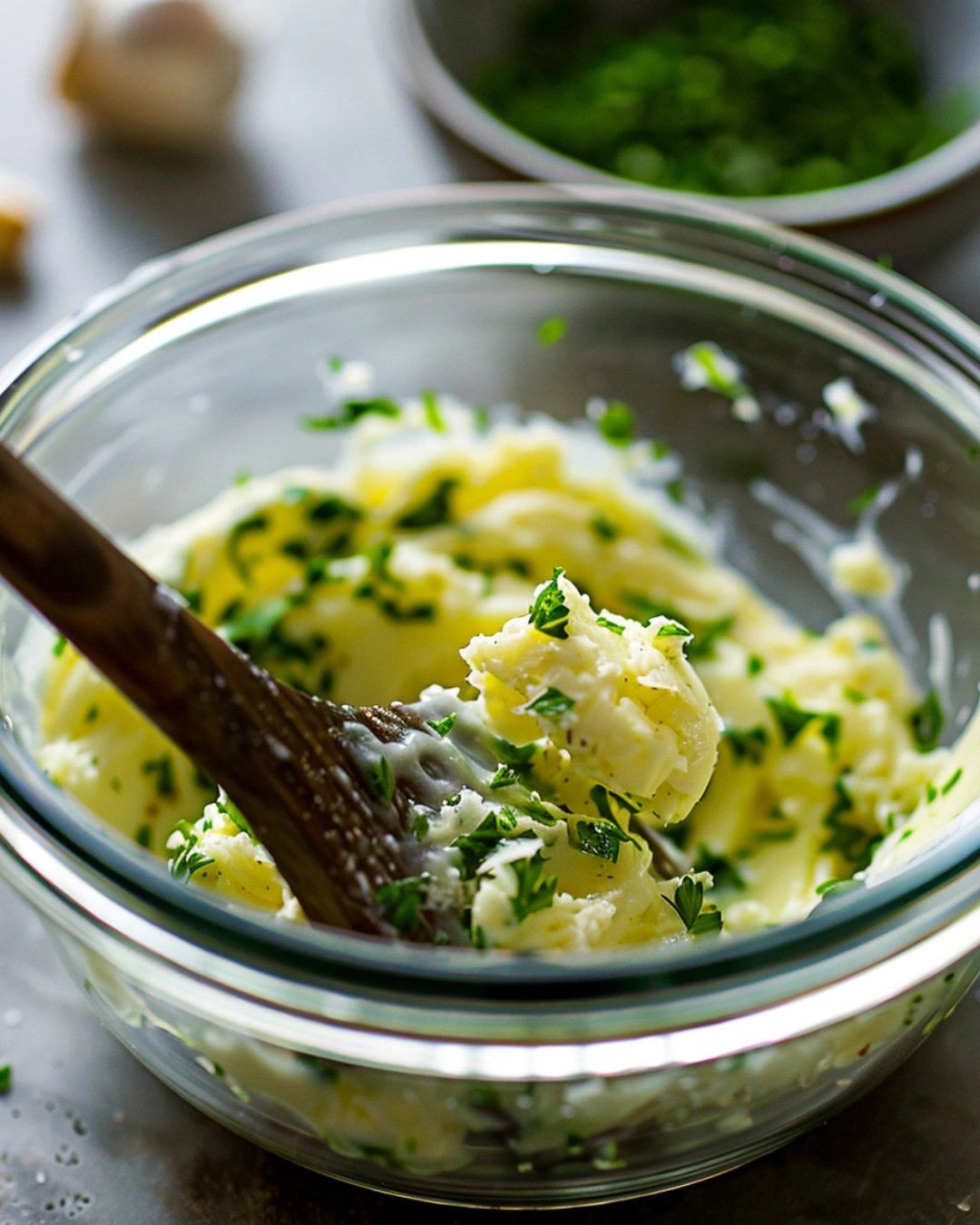
Butter is the foundation of your garlic spread. Its fat carries flavor molecules that release and intensify during baking. The key is texture: the butter should be softened, not melted. Melted butter sinks into the loaf and can make it soggy, while softened butter spreads evenly, coating the surface and crisping as it bakes.
To prepare the spread, mix softened butter, finely minced garlic, fresh parsley, and sea salt until smooth and uniform. If you prefer more depth, use half butter and half olive oil; this combination enhances both richness and browning.
The interaction of fat and moisture creates the signature contrast of homemade garlic bread, crunchy exterior, tender middle. Fat seals the bread’s surface, locking moisture inside while the oven heat toasts the edges. This balance is what separates perfectly baked garlic bread from dry or limp versions often found in restaurants.
The Role of Garlic, Fresh vs. Powdered
The garlic itself defines character. Fresh cloves, when finely minced, provide both sharpness and sweetness once baked. The natural oils in fresh garlic dissolve into the butter, infusing every layer of the loaf. Garlic powder or garlic salt can’t replicate that complexity, powder adds dryness, and garlic salt risks oversalting the butter.
For a milder, roasted note, bake unpeeled garlic cloves for 30 minutes at 375°F (190°C). Mash them into the butter for a subtle caramelized flavor that’s ideal with pasta dishes. Fresh garlic delivers punch; roasted garlic offers warmth. Both have their place in crafting the perfect spread.
Baking Technique and Texture Control For Homemade Garlic Bread
A flawless homemade garlic bread depends on precision. The way you bake determines whether your loaf turns crisp and aromatic or ends up greasy and uneven. Understanding oven temperature, timing, and the interaction of ingredients under heat ensures consistent results every time. This section focuses on technique, the difference between “good” and “perfect.”
Oven Temperature and Perfect Timing
Preheating your oven is the most important step. Set it to 425°F (220°C) and give it at least 10 minutes to stabilize. Garlic butter relies on heat to emulsify and brown evenly, too cool, and the butter melts before the crust forms; too hot, and the edges burn before the center warms through.
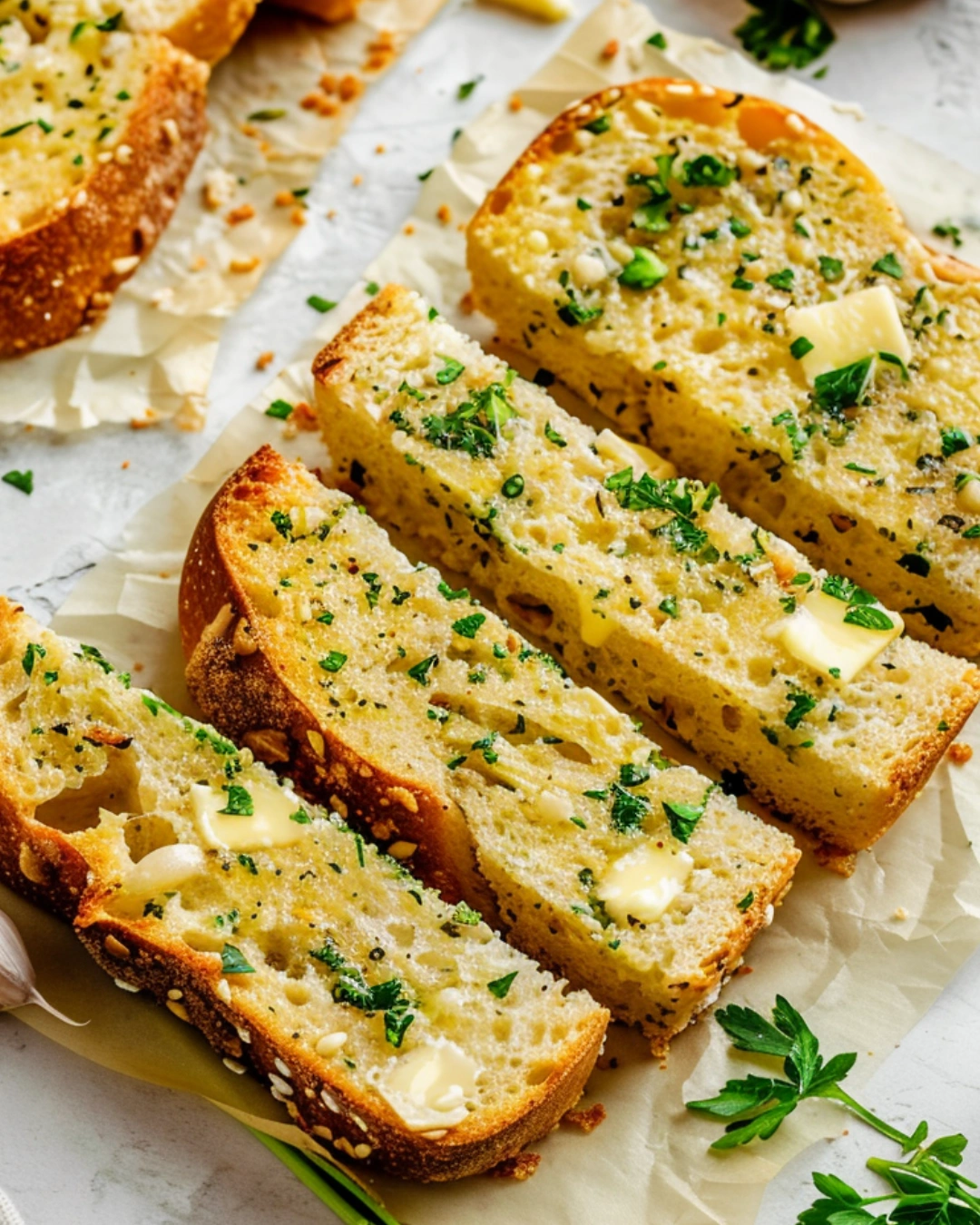
Place your sliced loaf, cut side up, on a parchment-lined baking sheet. Spread the garlic butter evenly across both halves, making sure to reach the corners so every bite carries flavor. Bake for 10–15 minutes, depending on your preferred level of crispness.
For a lightly toasted, tender crumb, remove at the 10-minute mark. For a deeper golden crust, extend to 18 minutes, but keep an eye on the color, garlic burns quickly once it darkens. If adding cheese, sprinkle it during the final 2 minutes so it melts without bubbling over.
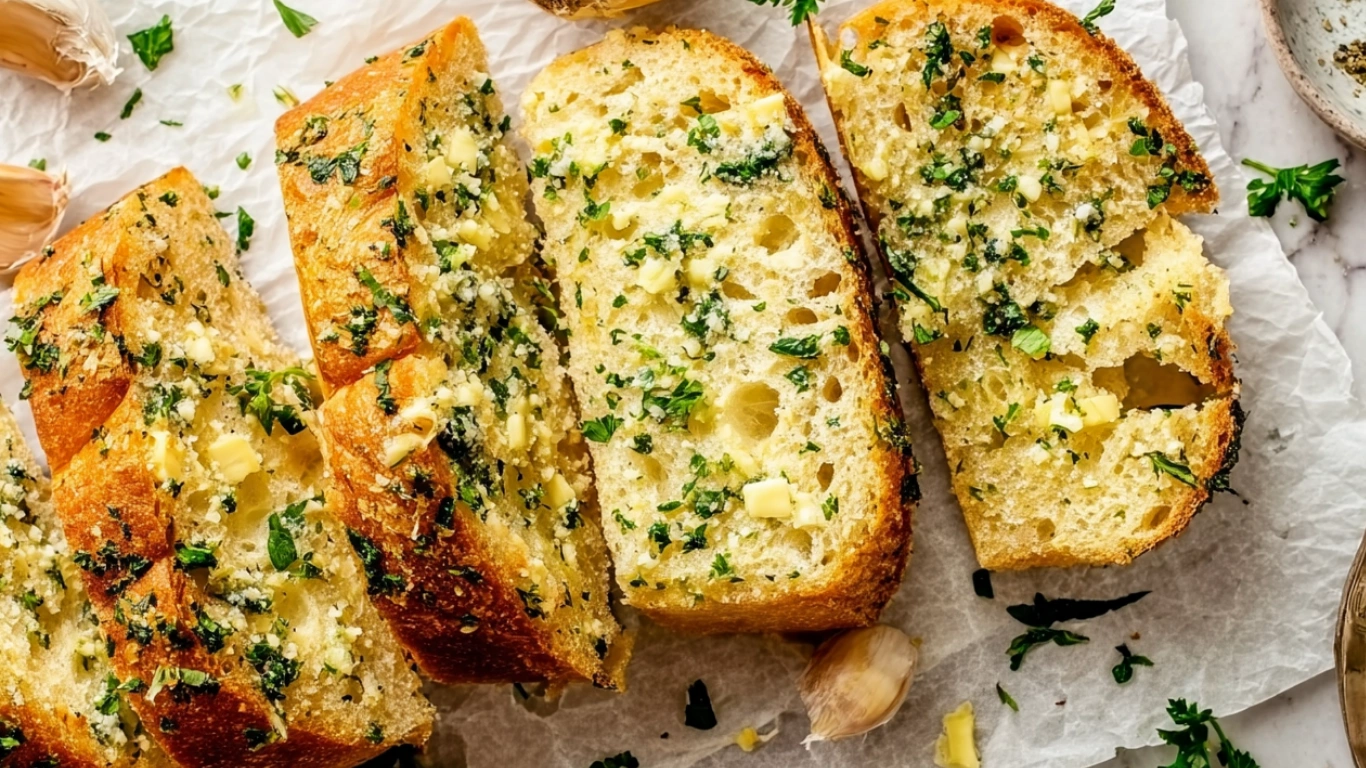
This step transforms the spread into a uniform crust. Butter caramelizes; garlic softens; and the bread takes on a golden hue that signals balance between fat and heat.
This same temperature awareness is key in my Mini Lemon Cheesecakes, where gentle, even baking prevents cracks and ensures a smooth finish.
Troubleshooting Common Mistakes
Even experienced bakers occasionally miss the details that make great garlic bread. Here are key corrections for flawless texture:
- Soggy bread: Caused by melted butter soaking through. Always use softened butter.
- Dry crust: Oven too hot or loaf baked too long.
- Uneven flavor: Butter not spread evenly or garlic clumped. Mix thoroughly before applying.
- Bland taste: Under-seasoning. Adjust salt or finish with Parmesan for richness.
When baked properly, homemade garlic bread should be crisp at first bite, followed by a tender, buttery middle. The aroma should fill the kitchen before it even leaves the oven, a sign of caramelized garlic and properly balanced fat. That’s the difference between an everyday side and a true showstopper.
Serving, Pairing, and Variations
Homemade garlic bread is more than just a side, it’s a way to bring flavors together and make a meal feel special.
Whether you serve it with pasta, soup, or grilled dishes, the crispy crust and buttery smell make comfort food taste even better. This section looks at how to serve it the right way, how to change it for different events, and how to make it work for different diets without losing its taste.
Serving and Pairing for Maximum Impact
When you serve it, timing and how hot it is really matter.
Homemade garlic bread tastes best right after it comes out of the oven, when the butter is melted and the crust is still crisp. If you need to keep it warm for a bit, wrap it in foil and put it in a warm oven (around 200°F / 95°C) for up to 15 minutes, this keeps it soft and juicy without making the texture bad. Don’t use the microwave because it makes the crust soft and less flavorful.
Pairing it with the right food helps balance the taste.
The rich, savory garlic butter goes well with dishes that have some acid or spice, like tomato-based pasta, tomato basil soup, or spicy shrimp scampi. It also pairs nicely with roasted chicken, creamy risotto, or thick stews. For lighter meals, try serving it with a fresh green salad and a vinegar-based dressing to cut through the richness.
Creative Variations and Flavor Twists
Once you’ve got the basics down, it’s easy to change up the recipe and make something new.
For a spicier taste, add a pinch of crushed red pepper or a little lemon zest to the butter mixture. For a deeper flavor, use roasted garlic instead of fresh, it gives a sweeter taste without losing aroma.
Cheese lovers can try adding mozzarella, Parmesan, or Gruyère for a richer finish.
To make it vegan, use plant-based butter and nutritional yeast instead of cheese — the taste stays full while keeping it dairy-free.
If you want to make it ahead, put everything together, wrap it tightly in foil, and freeze it. When ready to bake, place it directly in the oven at 400°F for 15–18 minutes — perfect for busy weeknights or last-minute get-togethers.
For more expert tips on creative flavor combinations, see BBC Good Food’s Garlic Bread Upgrades, which shows how professional chefs reinvent this classic around the world.

homemade garlic bread
Ingredients
Equipment
Method
- Preheat oven to 425°F (220°C) and line a baking sheet with parchment or foil.
- Slice loaf in half lengthwise and place on baking sheet, cut side up.
- In a bowl, mix softened butter, garlic, parsley, and salt until smooth.
- Spread mixture evenly across both halves, covering all edges.
- Bake for 10–15 minutes until golden and crispy. Watch closely to avoid burning.
- If using cheese, sprinkle on top during the last 2 minutes of baking.
- Remove from oven, garnish with herbs, slice, and serve warm.
Nutrition
Notes
From your stove to our hearts
share your delicious take!FAQs About Homemade Garlic Bread
How do you make homemade garlic bread?
To make perfect homemade garlic bread, start with a fresh Italian or French loaf. Slice it lengthwise and spread a mixture of softened butter, minced garlic, parsley, and salt evenly over both halves. Bake at 425°F (220°C) for 10–15 minutes until golden. For a cheesy finish, add shredded mozzarella or Parmesan during the last two minutes of baking.
What’s the secret to super flavorful Homemade Garlic Bread?
The secret is layering flavor. Fresh garlic gives intensity, while roasted garlic adds depth and sweetness. Using softened butter (not melted) ensures the flavor coats every crumb instead of sinking into the loaf. Herbs like parsley or chives add freshness, and a pinch of salt enhances balance. Finishing with cheese or olive oil gives that restaurant-quality richness.
How to make garlic bread with 3 ingredients?
You only need three components: bread, butter, and garlic. Mix minced garlic into softened butter and spread it evenly over sliced bread. Bake until golden. Even this minimal version delivers satisfying results if you use fresh garlic and quality butter. Optional parsley or cheese simply enhances what’s already great, a balance of crispness and buttery aroma.
Is garlic powder or garlic salt better for garlic bread?
Fresh garlic is always the best option for homemade garlic bread, but between the two, garlic powder is preferable. It adds flavor without excess sodium and mixes smoothly into butter. Garlic salt can quickly overpower the spread, leading to an uneven taste. For convenience, combine both: use fresh garlic for aroma and a pinch of powder for roundness.
Conclusion
Homemade Garlic Bread is the kind of recipe that proves simplicity and technique matter more than complication. With the right loaf, balanced butter, and precise baking, you can achieve a golden, aromatic side that complements any meal, from pasta to grilled entrees. Each element, from fat balance to heat control, plays a role in creating that signature contrast between crisp and tender.
This recipe isn’t just about flavor; it’s about timing, care, and understanding ingredients. Once you’ve made it correctly, store-bought garlic bread will never compare. Whether topped with herbs, cheese, or served plain, this homemade garlic bread delivers the kind of warmth and depth that elevates even the simplest dinner into something special.
