

Panna cotta is one of those timeless Italian desserts that proves elegance doesn’t need to be complicated.
The name means “cooked cream”, and that’s exactly what it is, a silken blend of cream, milk, sugar, and vanilla, gently set with gelatin.
Its beauty lies in balance, sweet but not too sweet, rich but still light, and always impossibly smooth. It captures the essence of Italian cooking: precision, simplicity, and respect for good ingredients.
In this guide, we’ll look at what makes panna cotta so special, from its origin and texture to the small details that separate a good dessert from a perfect one. Whether you’re an experienced chef or a home cook eager to learn, mastering panna cotta opens the door to endless variations, vanilla bean, coffee, fruit, or even floral infusions, all while keeping the effortless grace that made it a restaurant classic.
Understanding Panna Cotta: The Foundation of a Perfect Set
The Origins and Essence of Panna Cotta
Panna cotta traces its roots to Northern Italy, particularly the Piedmont region, where rich cream and dairy from alpine pastures inspired this now-beloved dessert.
Like the gentle sweetness in my Cream Pie, panna cotta relies on precise dairy balance for texture and flavor harmony
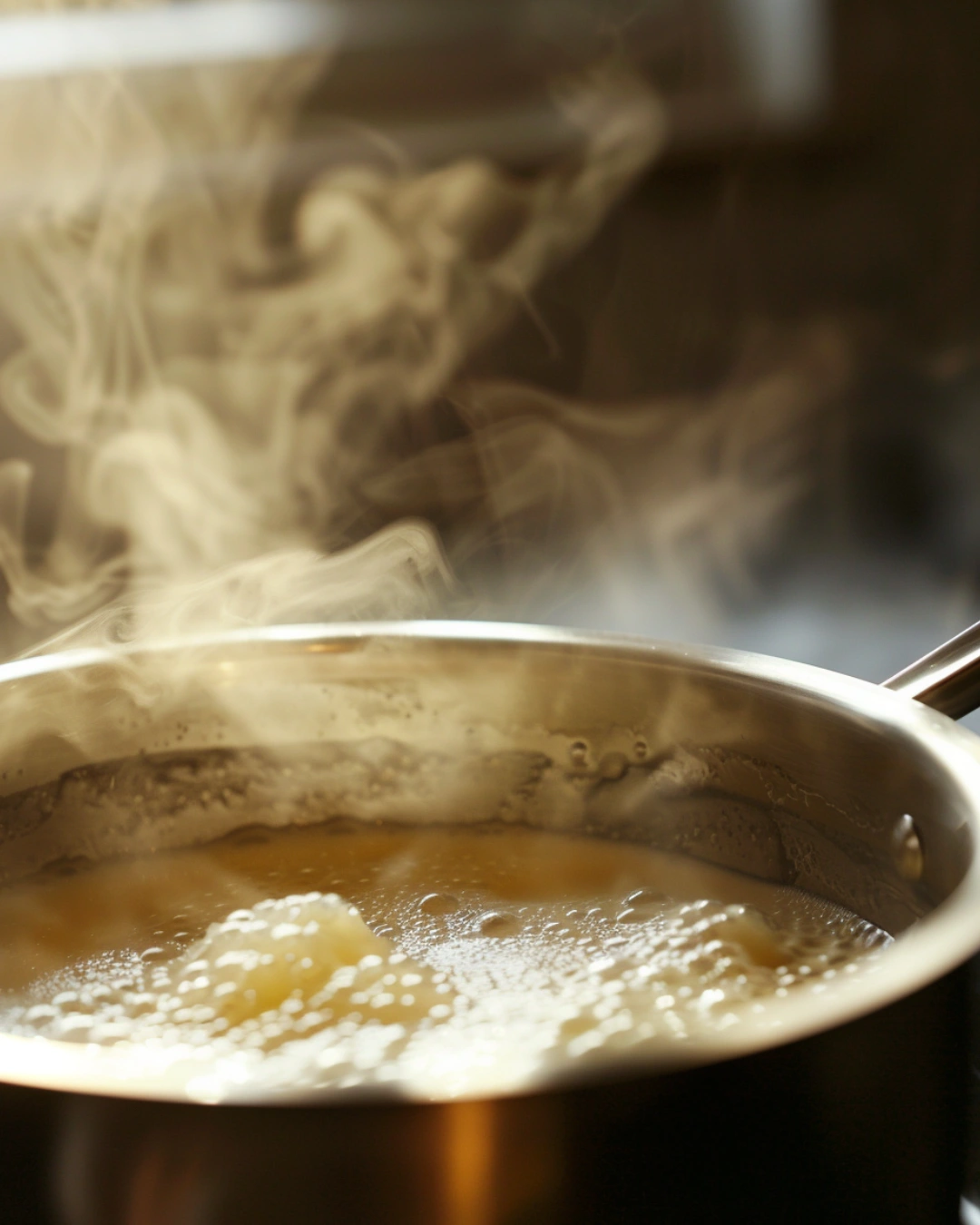
Unlike heavy custards or baked puddings, panna cotta owes its silky texture to gelatin, not eggs. It’s gently warmed, never boiled, to dissolve sugar and gelatin into the cream. That’s it: no baking, no fuss, just a careful blend of simplicity and skill.
The basic recipe combines cream, milk, sugar, vanilla, and gelatin, yet the result feels refined. Pastry chefs love panna cotta for its flexibility, it pairs beautifully with fruit coulis, salted caramel, espresso syrup, or even balsamic reduction. Through every season, it adapts effortlessly, from bright summer berries to deep winter spices.
What makes panna cotta special is its texture, that delicate wobble when the spoon touches it. Achieving it requires patience and precision. The cream should be warm enough to melt sugar and gelatin, but never so hot that it splits or curdles. Once poured into molds, the mixture needs at least six hours in the refrigerator to set properly. That waiting time transforms humble ingredients into something silky, balanced, and restaurant-worthy.
Why Texture and Precision Matter
In professional kitchens, the hallmark of a great panna cotta is the perfect texture.
Too much gelatin makes it rubbery; too little and it collapses on the plate. The goal is a spoonful that yields gently — soft, smooth, and just firm enough to hold its shape.
Every step matters:
- Accurate measurements keep flavor and texture consistent.
- Gentle heat prevents curdling.
- Slow cooling preserves that silky mouthfeel.
Even the serving vessel influences its final impression. Clear glass cups highlight elegance and translucence, while rustic ceramic bowls lend warmth and authenticity.
Modern chefs often contrast the creamy richness with a tangy topping, raspberry coulis, passionfruit, or citrus compote, to balance flavor and create color on the plate.
In the world of Italian desserts, panna cotta represents everything that defines Italian cuisine: simplicity, balance, and respect for technique. It proves that precision often matters more than complexity, that a few good ingredients, handled with care, can become something extraordinary.
When made well, panna cotta is more than dessert; it’s a lesson in restraint, the perfect harmony of science and art, accessible enough for beginners yet endlessly inspiring for professionals.
Mastering Panna Cotta Ingredients and Techniques
The Role of Each Ingredient in Structure and Flavor
Below is the ingredient breakdown for six servings (about ½ cup each), suitable for restaurant plating or elegant at-home preparation.
| Ingredient | US Cups | Metric | Purpose / Notes |
|---|---|---|---|
| Gelatin powder (unflavored) | 2½ tsp | 7 g | Blooming agent for structure; reduces slightly if not unmolding. |
| Whole milk (for blooming + base) | 1½ cups | 375 ml | Used twice — ½ cup for blooming gelatin and 1 cup for heating base. |
| Heavy or thickened cream | 1¼ cups | 310 ml | Adds richness and smooth texture; do not whip before using. |
| Caster sugar | ¼ cup | 55 g | Dissolves easily; balances sweetness without heaviness. |
| Vanilla bean paste or 1 pod | 1½ tsp paste or 1 pod | — | Provides flavor and visual vanilla flecks. |
| Fine salt | 1 pinch | — | Balances sweetness; enhances depth. |
| Neutral oil spray (for molds) | Light coat | — | Used for easy unmolding. |
Decoration Options
- Raspberry coulis (optional): 250 g raspberries, 3 tbsp sugar — simmer and strain.
- Toppings: chopped pistachios, fresh berries, mint, or citrus zest.
Flavor Variations and Professional Presentation
Flavor Innovations: From Classic Vanilla to Modern Interpretations
The traditional panna cotta owes its elegance to simplicity, but professional pastry chefs often reinterpret it with bold yet balanced flavor combinations. The neutral cream base welcomes infusion from herbs, spices, and fruit purées, offering a refined palette for creativity. Vanilla remains the cornerstone, its floral warmth defines the classic version, but subtle adjustments can transform the dessert into a signature piece.
A coffee panna cotta, infused with espresso or cold brew, creates an ideal balance for post-dinner service. Its bitterness cuts through the cream, pairing beautifully with dark chocolate shards or a drizzle of caramel. Citrus-based variations, using lemon zest or yuzu, brighten the profile and add aromatic complexity. For a more adventurous approach, herbal infusions such as basil, lavender, or rosemary can be steeped in the milk before adding gelatin, introducing savory notes that appeal to modern palates.
In fine-dining contexts, texture contrast is crucial. A smooth panna cotta benefits from crisp or tart accompaniments — think of raspberry gelée layers, almond crumble, or balsamic-marinated strawberries. By manipulating ratios and layering techniques, chefs can present multiple dimensions of flavor while maintaining the dessert’s structural integrity.
Professional Presentation and Plating Strategies
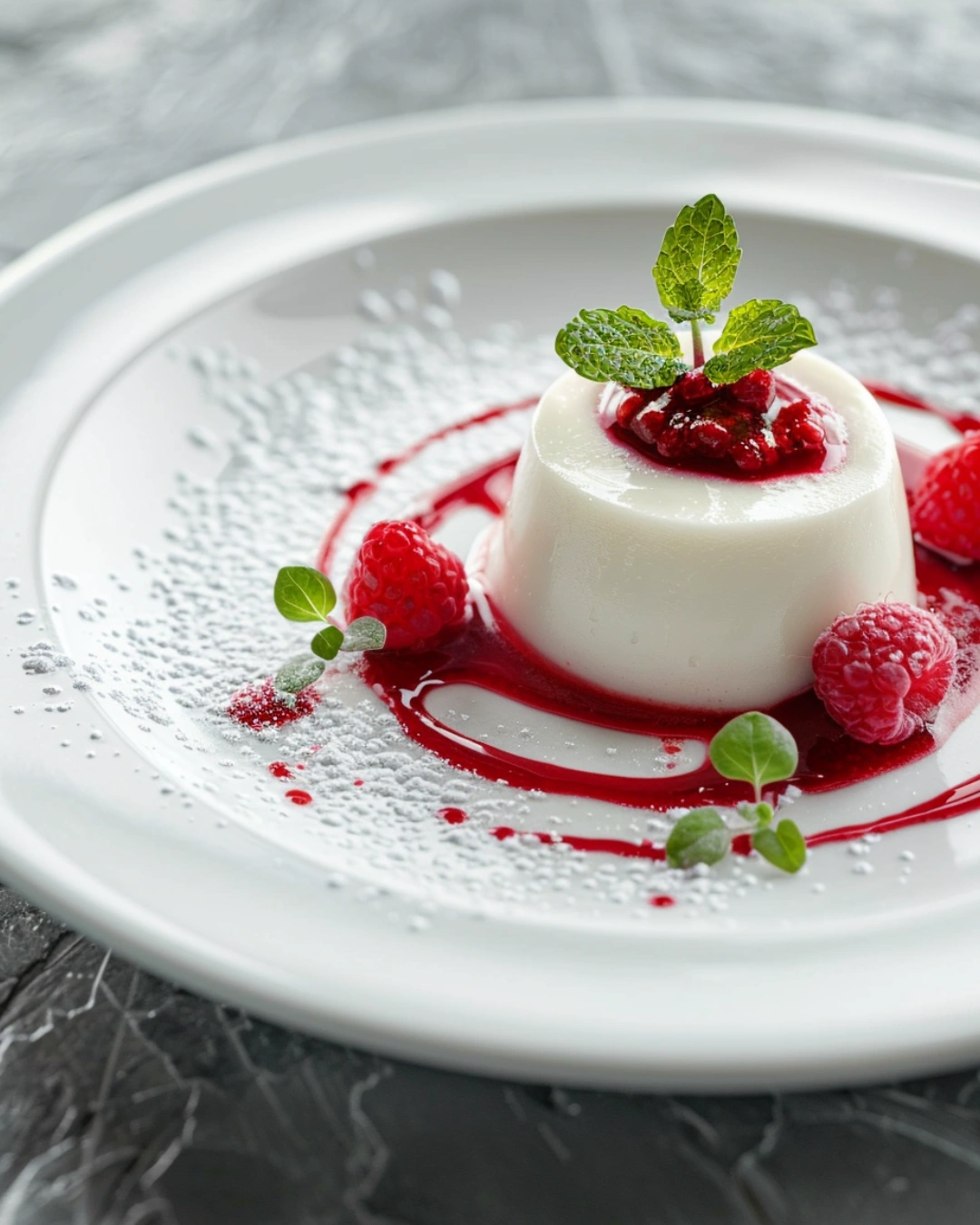
Presentation distinguishes a home dessert from a restaurant-caliber panna cotta. The visual composition should reflect the dish’s refined texture, clean, deliberate, and minimalistic. For plated service, professional chefs often unmold the panna cotta onto a chilled white plate, allowing its natural sheen to highlight the surface. A thin coulis base — brushed or spooned around the dessert, frames it visually while introducing color contrast. Red fruits such as raspberries or strawberries emphasize brightness, while darker sauces, like chocolate or blackberry, lend depth and drama.
Temperature plays a key role in the serving experience. Panna cotta should be served between 6–8°C (43–46°F) to preserve its silkiness. Overchilling can dull flavor and make the texture brittle, while serving too warm risks collapse. The ideal presentation showcases a gentle tremble, signaling perfect gelatin balance.
Modern plating embraces vertical elements and asymmetry. A quenelle of fruit sorbet or a shard of tuile adds height, while micro herbs or edible flowers contribute finesse without clutter. Textural contrast can also come from a crunchy garnish, like caramelized pistachios, placed with precision rather than abundance.
For glass-served panna cotta, transparency becomes part of the aesthetic. Layering a fruit gelée or compote on top allows color to play against the cream base. Serve directly from the refrigerator to retain definition, but always wipe the rim of the glass for a pristine finish before service.
Pair your panna cotta with a fruit layer inspired by my Strawberry Shortcake Cake, adding visual and flavor contrast.
Serving, Storage, and Professional Troubleshooting
Serving Panna Cotta Like a Professional
A perfectly set panna cotta should be served with precision and confidence. Whether plated or presented in glass, the goal is to preserve the dessert’s structure and glossy finish until it reaches the table. Before unmolding, run a thin-bladed knife around the rim to release suction. For stubborn molds, dip them briefly — two to three seconds — in warm water (not hot), then invert onto a chilled plate. The panna cotta should slide out cleanly with a delicate “plop,” signaling an ideal set.
In professional kitchens, timing is synchronized: panna cotta is plated within minutes of service to maintain its flawless texture. When serving at home, you can unmold in advance, but always store under a domed cover or loose plastic wrap to prevent the surface from drying. Avoid cling film contact, which can damage the top layer.
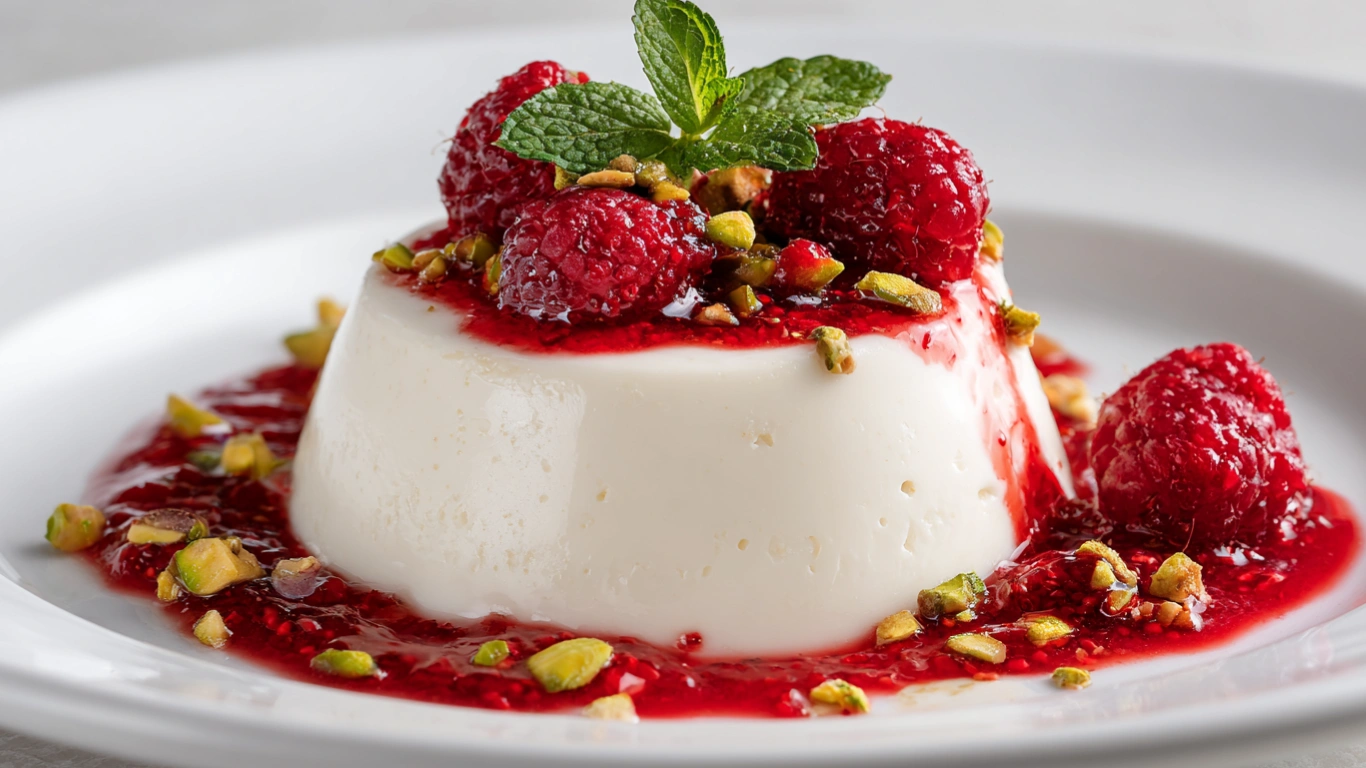
The dessert pairs naturally with contrasting flavors, bright fruit acidity, nutty crunch, or bitter chocolate. For example, raspberry coulis provides tart relief, while pistachios lend depth and texture. When plated for a tasting menu, serve panna cotta as a transition between savory and sweet, where its mild profile cleanses the palate.
or a spring flavor variation, draw inspiration from the Lemon Blueberry Bundt Cake to layer citrus and berry notes
Portioning is equally important. In restaurants, a standard serving is 100–120 ml (about ½ cup) per guest, maintaining balance between indulgence and restraint. Serve on chilled plates or in pre-cooled glasses to extend freshness during service. Garnishes should always be added just before plating, this keeps nuts crisp, herbs fresh, and sauces vibrant.
Storage and Troubleshooting for Consistent Results
Panna cotta’s shelf life and stability depend on storage conditions. Properly covered, it can be refrigerated for up to seven days, making it one of the most service-friendly desserts in professional kitchens. Always store it at a stable 4°C (39°F). Avoid freezing; ice crystals compromise texture and release water upon thawing. If prepping ahead for an event, pour into serving vessels and garnish just before presentation to maintain clarity and freshness.
Common errors in panna cotta usually stem from incorrect gelatin handling or temperature mismanagement. If the dessert sets too firmly, it likely contains excess gelatin, reduce the next batch by ¼ teaspoon. If it fails to set, the gelatin might have been overheated or not bloomed properly. To fix a failed batch, reheat gently until smooth, add a small portion of dissolved gelatin, and reset. Overheating milk or cream can also affect stability by breaking down fat molecules, resulting in a grainy mouthfeel.
Another issue is layer separation, this occurs when the mixture begins to set before pouring. Always strain and stir before portioning to maintain uniformity. Tiny air bubbles on the surface can be prevented by gently tapping the molds before chilling. Professionals often refrigerate the mixture slightly before pouring, ensuring suspended vanilla seeds remain evenly distributed throughout.
Maintaining hygiene is essential, particularly in service kitchens. Always use sanitized molds and utensils, and handle gelatin solutions with clean, dry tools to prevent contamination. Remember: panna cotta is as much about precision as presentation. When executed well, its stability and sheen speak volumes about a chef’s technical discipline.

Vanilla Panna Cotta
Ingredients
Method
- Bloom gelatin in ½ cup milk for 5 minutes.
- Warm gently to dissolve gelatin completely.
- Add remaining milk, sugar, vanilla, and salt. Stir until sugar dissolves.
- Cool mixture slightly, then add cream.
- Refrigerate mixture uncovered for 1 hour, stirring occasionally.
- Pour into oiled molds, chill 6 hours or overnight.
- To serve, unmold or present in glass and garnish with coulis and pistachios.
Nutrition
Notes
• Do not boil the milk or cream.
• Refrigerate panna cotta for at least 6 hours before serving.
• Store covered for up to 7 days.
From your stove to our hearts
share your delicious take!Frequently Asked Questions About Panna Cotta
What is panna cotta made of?
Panna cotta is composed of cream, milk, sugar, vanilla, and gelatin. The cream and milk provide richness and smoothness, while gelatin gives it structure without heaviness. The result is a silky, lightly set dessert that showcases balance and simplicity.
What does panna cotta taste like?
Classic panna cotta has a clean, creamy flavor with delicate vanilla notes. It’s less sweet than custard or mousse, allowing toppings like fruit coulis, chocolate, or citrus to stand out. The taste depends largely on dairy quality and subtle flavor infusions.
Is panna cotta the same as crème brûlée?
No. Crème brûlée uses egg yolks as a thickening agent and is baked in a water bath, then topped with caramelized sugar. Panna cotta, by contrast, relies on gelatin for setting and is never baked, giving it a lighter texture and a cool, smooth finish.
What is panna cotta vs flan?
While both are creamy custards, flan includes eggs and is baked with a caramel base, resulting in a denser texture. Panna cotta excludes eggs and uses gelatin, yielding a softer, more refined consistency with greater flexibility for flavor adaptations.
As defined by La Cucina Italiana, panna cotta literally means ‘cooked cream,’ highlighting its unique preparation style
Conclusion
Panna cotta remains one of the most elegant desserts in modern cuisine, a testament to precision, restraint, and balance. Its appeal lies in the harmony between simplicity and sophistication: a handful of ingredients transformed through careful technique. For professionals, it’s a canvas for creativity; for home cooks, a reliable entry into advanced pastry work.
With the right ratio of cream to milk, accurate gelatin measurement, and mindful temperature control, panna cotta becomes effortless to master. Serve it with seasonal fruits, nut pralines, or a touch of citrus, and it can anchor any dessert course with poise and refinement.
